Find consumer tips on everything from credit to home safety to travelling on a budget and so much more!
Set Your Financial Goals for the New Year
There are a variety of financial goals you can set that would improve your financial outlook by the end of the year. Here are just a few that can make a big difference:
Create or Increase Your Emergency Fund
Having a well-stocked emergency fund provides peace of mind should an unexpected repair come up and it provides a cushion if you experience job loss or a large medical expense. With an emergency fund, you have an immediate funding source in case of emergency; you don’t need to wait for your next paycheck to get your car fixed or call a plumber. Creating a cushion of cash that you can easily get your hands on if you need it should be a priority.
Reduce or Pay Off Debt
If high interest fees are costing you money, it’s time to get out of debt once and for all. That money can be put to better use. It may take more than a year to get it all paid off, depending on how much you have, but you can make significant progress in a year. Getting out of debt will free up more money for saving and investing, and even allow you to do things you haven’t been able to do before, like start your own business or take a big trip.
Increase Your Income
If you haven’t started creating multiple streams of income yet, this is your year. You don’t need to quit your job, you just need to make more money, and if your boss isn’t giving you a raise, you need to do it for yourself. Creating multiple streams of income allows you to pay off debt faster, increase your savings quicker, have more money to invest and put towards retirement funds. You can start a side business in your free time; the options are unlimited. And, if you do it right, there’s no ceiling on the amount of money you can make, unlike your job. If you don’t have any other financial goals this year, this one should definitely be on your list. It will help you reach all the others.
Live on Less Than You Earn
If you’re over your head in debt, it may be because you’ve been living above your means. It’s time to cut back and start living on less than you earn so you can get out of debt, save money, and live a better life. It’s time to give your budget a thorough exam and look for places to trim. Start with utility bills, entertainment, and grocery spending. If all else fails, it may be time to downsize or trade in your car for a decent used one.
Just because we’re already into 2018 doesn’t mean it’s too late to set financial goals. The sooner you make them, and commit to them, the sooner you’ll reach them. It doesn’t matter if it’s January or July, set your goals and create a plan for reaching them.
Union Plus Credit Counseling
Union members can get a no-obligation money and credit assessment from certified, experienced consumer credit counselors though Union Plus Credit Counseling. Powered by the non-profit Money Management International (MMI), your free session will cover a complete financial review, assistance in budgeting, advice for working with creditors, and more.

While you're making your resolutions for the new year, be sure to include your financial goals as well. There's no time like the present to plan your financial future.
Master Your Time and Master Your Money
If you can learn how to manage one, you can transfer those skills to managing the other. Here are a few ways that managing money is like managing time and how you can master both:
When you manage it well, there’s more of it.
Successfully managing your money requires a budget, one that you can work with weekly and monthly to stay on top of your spending and saving and track your income. Managing your time is similar. Using a calendar or task list to stay on top of what needs to be done and what you’ve accomplished will help you stay productive. Using a budget for your money and calendar for your time will help you successfully manage both.
There are limitations.
There are only so many hours in the day so you have to use them to the best benefit. Wasting them means you’re not as productive. The same goes for money. While you do continually replenish your money with new earnings, there is a limit to how much you currently have. Wasting it on things you don’t really need leaves less of it for the things you do.
Prioritizing helps stretch it further.
Prioritizing both your tasks and your spending allows you to accomplish more with what you have. Instead of just doing or spending without a purpose, prioritize what matters most so you feel better about how you spent both time and money.
Planning is a must.
If you’ve ever lost track of time or that $20 you withdrew from the ATM yesterday, you know that if you don’t plan you’ll end up wasting. Have a plan each day for how you will spend your time and your money so you don’t find they slipped away.
Write it down.
Our brains are overloaded every day with tons of information to remember. Make sure you don’t forget something important by writing it down. Keep a task list of things you need to accomplish each day and make a list of all bills you need to pay with your next paycheck. Make the things on your list a top priority and get them done first, before anything else.
Have focus.
Know your goals, both for your time and your money. Creating goals and staying focused on the end result you want to accomplish will make it easier to stay on track. This will also help you prioritize what matters most.
Review and adjust.
Continually reviewing how you spend your time and your money as necessary to make sure it’s working for you. If it’s not, you can make adjustments to your budget or your schedule until you find the plan that fits just right.
Managing your money and managing your time have a lot of similarities. If you’re able to be successful at one, carry those habits over to the other for even greater success.
Union Plus Credit Counseling
Union members can get a no-obligation money and credit assessment from certified, experienced consumer credit counselors though Union Plus Credit Counseling. Powered by the non-profit Money Management International (MMI), your free session will cover a complete financial review, assistance in budgeting, advice for working with creditors, and more.

Managing your money and managing your time are very similar. Both leave you feeling like you don’t have enough and leave you wondering “Where did it all go?” At the end of the day, you wonder where the time went and how you spent it. At the end of the month, you wonder the same thing about your money.
Top Five Myths About Sending Flowers for Valentine’s Day
Myth #1 — Flowers are too expensive.
Teleflora has arrangements to suit any budget including several choices under $40. Plus, your Union Plus discount gives you an additional 25% off ANY arrangement.
Myth #2 — Telefora only sells flowers and not everyone can enjoy flowers.
Teleflora’s selections include elegant plants and gift baskets of chocolate, fruit, and more.
Myth #3 — Valentine’s Day is too busy to send flowers.
Simply send flowers one or more days early so your arrangements can be enjoyed even longer.
Myth #4 — Sending flowers is cliché.
Think of all the love that goes into floral artists arranging and hand-delivering a beautiful arrangement with a heartfelt note from you. It’s a classic gesture that will always be appreciated.
Myth #5 — Flowers are only for your significant other.
Valentine’s Day is about love, not just romance. So send love to your friends, parents, siblings, or other loved ones. This unexpected gesture can go a long way to brightening someone’s day.


If you’re flirting with sending flowers for Valentine’s Day…it’s time to get the facts. We’re debunking the top five myths about sending Valentine’s Day Flowers.
How Scammers Make You Pay
Here’s a video that has, in a little more than a minute, some of the scam scenarios we see – and what you should do about them.
Whether someone tells you to pay to claim a prize, help someone out of trouble, or deal with tax issues from the (so-called) IRS: nobody legitimate is ever going to say you have to pay by wiring them money, getting iTunes cards, or putting money on a MoneyPak, Vanilla Reload, or Reloadit card.
So: watch the video. And if anyone ever insists you pay in one of those ways, tell the FTC. Because that will be a scam we want to know about.
Originally posted by the Federal Trade Commission. All rights reserved.
Here’s one of the top questions we get from people: Is this a scam? Whatever the “this” looks like, here’s our best answer to that question: Did someone say you can only pay by wiring money, putting money on a gift card, or loading money on a cash reload card? If they did, then yes: that is a scam.
New Pet Checklist
- Food
Choosing a food that’s appropriate for your new pet can be overwhelming. With hundreds of brands available, it can be difficult to sort through all of the options for a good pet food. Be sure to choose a diet that is consistent with your new pet’s age and size. For example, a 6 month old Chihuahua should eat a small breed puppy food, while an 8 year old Great Dane should eat a giant breed senior formula. Be sure that your pet’s new food contains an AAFCO feeding statement – this means that the food has been scientifically tested and proved to be healthy! Ask your veterinarian for a recommendation on the best foods available and remember, while cheap foods tend to be poor quality, the most expensive food isn’t always the best. - Bedding
Your new pet will need a place to safely and comfortably rest after a long day of playing. If you plan to allow your new pet on the bed and sofa, they may not need their own bed as they will surely prefer yours! However, pets who will sleep in a crate at night or on the floor need an appropriately sized bed. Make sure that the bed is large enough for them to sprawl out comfortably and made from soft padding. Beds need to be washed, so a machine-washable fabric is best.
- Crate or Carrier
New cats and kittens will need a carrier to safely transport them from the house to the veterinary office. New Puppies and dogs often need a crate as a safe place to sleep at night and when left alone at home. Crating your new puppy or dog will keep him safe from chewing on electrical cords, getting into toxic foods and chewing up your favorite pair of shoes! Crates are also very helpful when house training your new pet. Once your puppy or dog is comfortable in the house, potty-trained at night and no longer at risk of getting themselves hurt while unsupervised, you may no longer need the crate. Pets who are prone to getting themselves in trouble (getting into the trash, chewing up household items, counter surfing or fighting with housemates) at any age should be crated while unsupervised no matter what age they are. Providing your new pet with a comfortable carrier or crate that is big enough for them to turn around in also provides them with a “safe place” to hide when the stress of holiday parties and extended family are around.
- Veterinarian
If this is your first pet, you will need to establish a healthcare provider to make sure your new furry friend is healthy. Be sure to schedule your new pet a proper checkup. Preventative care for new pets includes updating vaccines, spaying or neutering, testing for contagious diseases, prescribing heartworm prevention, and having the teeth cleaned in adult pets. Your vet should also assess any skin issues, allergies, runny eyes, ear infections, lumps or bumps. Establishing a veterinarian is an important first step so that you will know who to call in an emergency.
- Pet Insurance
When you adopt a new pet, you also adopt the potential for health issues, injuries and illness. Getting health insurance on your fluffy family member will give you peace of mind that if anything should happen, you won’t have to think twice about healthcare decisions and costs. An after-hours emergency bloat surgery can be anywhere from $3,000-$6,000 depending on what area of the country you are located. Chocolate ingestion in a dog or Lilly flower ingestion in a cat can run several hundred to several thousand dollars for treatment. Parvo treatment on your new puppy is typically $1,000-$2,000 depending on the severity of the illness. Proper healthcare for your pet can be expensive if you pay out of pocket. Having pet insurance provides you and your pet with a financial safety net in the event of illness or injury, even if you accidentally left the chocolate in Fluffy’s reach or you accidentally ran over Rover in the driveway. Pet health insurance means you don’t have to make difficult life and death decisions or skimp on great care for financial reasons.
- Microchip and ID Tag
Accidents happen and sometimes pets get lost. Make sure that your new pet is microchipped immediately and that the microchip company has your complete, updated information should your new pet go missing. In addition, be sure that your new pet has an ID tag on his or her collar that contains your contact information. Tags can be removed and lost, so a Microchip is extremely important. However, ID tags are a very easy way for Good Samaritans to contact you immediately without needing to take your pet to a veterinary clinic to be scanned for the microchip.
- Collar, Leash, Toys, etc.
Don’t forget all the fun stuff! Your new pet will need a collar and leash/harness. Toy are important as they provide entertainment and exercise to both cats and dogs. Bored pets tend to misbehave, so keep your new family member engaged with proper chew toys to chase and play with.
Learn more about the Union Plus Pet Insurance Member Benefit, powered by Pets Best at: https://www.unionplus.org/benefits/insurance/pet-health-insurance.


During the holidays many people add a new furry family member to their household. If you find yourself with a new pet this season, make sure the basics are covered by including these 7 must-haves on your checklist!
iPhone Slowing Down? It Might Be Time to Replace Your Battery
Apple typically charges $79 to replace a phone battery. However, the company announced Thursday that it will drop the price to $29 for anyone with an iPhone 6 or later.
The new pricing is to take effect in late January and run through the end of 2018.
Why would slowing the phone's processor help with a dying battery? According to Apple, processor-intensive activities can cause a sudden increase in power demand.
The same thing can happen during normal operations when a phone has a very low charge, or is exposed to cold temperatures.
Apple said in a statement that the slowdown, which was rolled out for the iPhone 6, 6s, and SE last year, was intended to improve "power management during peak workloads to avoid unexpected shutdowns" in those models.
This fall, it extended this functionality to the iPhone 7 with the introduction of iOS 11.2, and the company said it will expand to other products in the future.
Slowing down the performance of phones with aging batteries might sound like a reasonable strategy in these circumstances. However, when Apple recently admitted to the practice, angry comments appeared across the internet and some consumers filed lawsuits.
In the message Thursday, the company acknowledged that many iPhone owners were angry about decreased performance. The company apologized, and said it was cutting the price of battery replacements "to address our customers’ concerns, to recognize their loyalty and to regain the trust of anyone who may have doubted Apple’s intentions."
Apple also said that an iOS update in early 2018 would give consumers more information on the health of iPhone batteries "so they can see for themselves if its condition is affecting performance."
The bottom line: If you have an older iPhone that’s otherwise in good shape, you may be able to eliminate slowdowns by replacing your battery.
Here’s what you need to know, starting with how smartphone batteries age.
How Do Batteries Age?
As Indiana Jones said, “it’s not the years, it’s the mileage.” It really doesn’t matter how old your battery is, but how often you charge it.
Lithium-ion batteries degrade over time depending on how many charging cycles they go through. A heavy user who charges their phone midway through the day, then plugs it in again at night, will see their battery wear out significantly faster than someone who can go a couple days without adding juice, says Richard Fisco, Consumer Reports’ head of smartphone testing.
As a result, the effective life of a battery can vary greatly, he says.
David Reiff, co-founder and vice president of uBreakiFix, a chain of electronics repair stores, says that battery life expectancy for some phones can be as low as 300 to 500 charging cycles, which means that some users may not make it through a year before their battery performance starts to drop.
Meanwhile, the rest of the phone could, in theory, last forever if you don’t break it, since there are no moving parts to wear out, Fisco says.
But few people keep their phones long enough to test that theory, because even if a phone works well it eventually becomes outdated.
“The reality is, the operating system and therefore the apps available for it change,” Fisco says, adding that older phones will stop getting operating system updates from the manufacturer, which could prevent you from using newer apps.
And manufacturers eventually stop supporting old phones altogether, which means no security updates, putting hold-out users at risk for a hack, he adds.
So, Is It Worth Replacing My Battery?
That depends, Fisco says.
“If you’re a heavy user and you wear out your battery in a year, or less, then get the battery replaced,” he says. But he thinks it might not be worth the effort to replace the battery on older phones.
First, check to see if your phone is still under warranty. In the case of iPhones, Apple’s warranty covers you against manufacturer defects for a year. If the battery is experiencing significant problems in that time frame, the company may be willing to replace it.
And, if you shelled out for AppleCare+ when you bought your iPhone, Apple will replace the battery for free for two years if they find that it retains less than 80 percent of its capacity.
And, of course, once the $29 pricing kicks in, many consumers may find it worthwhile to just see whether replacing the battery improves their performance.
Often this can be done quickly with a visit to an Apple Store, but Apple warns that in some cases it could take several days.
Companies such as uBreakiFix, which operates more than 300 stores in the U.S., Canada and the Caribbean, can do the replacement, too. Prices vary depending on the device—but you're not likely to find a better deal than what Apple is offering.
Can I DIY It?
In theory. But you won't save money by replacing an iPhone battery on your own—unless you have an older model that's not covered under Apple's new pricing.
If you do have an older iPhone, Amazon and other retailers sell kits that include a new battery and all the tools you’ll need. Replacement kits for an iPhone 5s battery sell for around $25 online.
But, this isn’t something that everyone will want to tackle. If you mess up, you risk bricking your phone. And, with more recent, water-resistant, phones breaking the seal yourself will make them susceptible to water damage.
Reiff from uBreakiFix also points out that doing this yourself will often void your warranty, though in most cases DIYers are repairing older phones where the warranties have already expired.
CR's Fisco urges caution. “If you are technically inclined, comfortable with small tools and devices and willing to risk breaking your phone then yes, you can DIY the battery replacement,” he says.
“Otherwise, get three price quotes from different repair shops and let them replace the battery.”
Editor's Note: This article has been updated with new information about pricing for Apple battery replacements.
Copyright© 2006-2017 Consumer Reports, Inc. of U.S., Inc. No reproduction, in whole or part, without written permission.


Apple is dropping the price of a battery replacement to just $29, in response to consumer complaints.
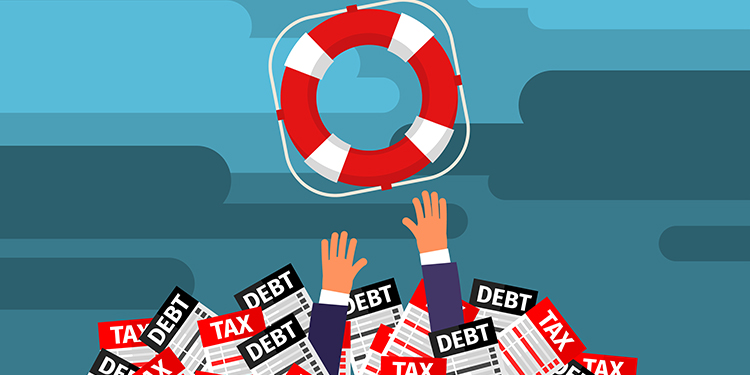
Can You Get Out of Debt Without Paying a Dime?
One of the more troubling common reasons why someone may be struggling to repay their debt is quite possibly the simplest: they just can’t. They don’t have the money. They’re either without income or that income is only enough to cover the barest essentials.
Here at MMI, our debt and budget counselors hear it over and over again. “I want to repay my debts, but I just don’t have the money. What can you do for me?” It’s a fair question. What can you possibly do about debt when there’s no money to spare?
Paying nothing, doing nothing
What happens when you do nothing at all? If you ignore your bills and you make no payments, your accounts will become delinquent. If you’ve ever been delinquent on a debt, you probably know that creditors get a little antsy when you stop paying them. You’ll likely get phone calls and letters reminding you that you’re past due and asking for a payment.
Eventually, unpaid debts are charged off – meaning the creditor writes them off as a loss. That doesn’t mean the debt disappears, however, or that you no longer owe the money. The creditor may transfer the debt to an in-house collection department, or, more commonly, they’ll sell the debt to a third party debt collection agency.
The debt collection agency buys the debt for a fraction of its value (they may pay $2,000 for a $10,000 debt, for example), but they have the right to collect the debt in full. They will pursue you for the money, with persistent letters and phone calls. If they have no success getting you to pay, they may ultimately choose to sell the debt once more, and the cycle will continue with a new debt collector.
Lawsuits and garnishment
This debt collection dance could potentially go on for years and years. Even once the negative marks start falling off your credit report seven years later, the creditor of record still has a right to attempt to collect their money. And you may choose to continue ignoring them. In this scenario, your credit takes a pretty vicious beating and you’ve collected a tidy stack of angry letters, but you haven’t actually paid anything. How long can that go on?
Ultimately, it depends largely on the size of your debt and the disposition of your creditor. Credit is usually extended under an agreement that spells out who’s required to do what. Once you stop repaying your debts, you’ve very likely broken that agreement and the creditor in question has every right to take you to court in pursuit of that money. In most cases, should a creditor take you to court and win the case, your wages will be garnished, with a percentage taken out automatically and directed towards your debt.
So will your particular creditor sue you if you stop paying? The process of seeking compensation through the court system takes time and resources, which means that the likelihood of being sued increases with the size of your delinquent debt. Should you assume that a creditor won’t sue you? No. Definitely don’t do that. Having your wages garnished isn’t the end of the world, but you should seek to avoid it at all costs.
What about debt settlement?
Debt settlement becomes an option once your debts have been charged off. Because the debt has probably been sold for substantially less than its original value, the debt’s owner may be willing to accept less than what’s owed (assuming that’s more than what they paid for it).
With debt settlement you aren’t paying back the full debt, but you are paying. There’s the cost of agreed upon settlement, plus the costs associated with whatever damage your credit has taken, as well as the amount you’re taxed on the forgiven debt (the amount owed that you didn’t pay is considered income and needs to be factored in when completing your tax returns).
What about bankruptcy?
Bankruptcy has long been viewed as a last resort of sorts, but it’s a perfectly valid way to attempt to separate yourself from crushing debt and start over. It’s far from free, however.
How much it costs to complete the bankruptcy filing process is going to vary wildly, depending on factors like where you live, how much debt you have, and what of assets you own. You should expect to pay somewhere (very roughly) between $1,500 and $6,000.
Another thing to keep in mind is the difference between Chapter 7 bankruptcy and Chapter 13. Broadly speaking, Chapter 7 involves the liquidation of your nonessential, non-exempt property to help repay your creditors, while Chapter 13 centers on the creation of a wage-earner plan, where your debts are adjusted according to your circumstances and you make regular payments out of your remaining disposable income. You’ll notice that in both version you still end up making some form of payment to your creditors.
So, circling back to the original question – is it possible to get out of debt without paying anyone anything? Unfortunately no, not really. You can certainly attempt to ignore your debts, and you may even find there are circumstances where creditors and collectors may just give up on trying to collect from you. But that doesn’t mean you’re out of debt. And the possibility exists that they may someday change their mind and come looking for their money once more.
If you’re overwhelmed with debt and unsure what options make sense for your situation, consider speaking with a certified debt and budget counselor from Money Management International. Counseling is free, available 24/7, and a great way to get unbiased advice and suggested next steps.
The following is presented for informational purposes only and is not intended as legal or tax advice. Please consult with a qualified professional for direct advice on your unique situation.
Three Deals from AT&T You Won’t Want to Miss
-
Get the latest smartphones for $0 down with AT&T Next
$0 down smartphones with AT&T Next1 — and no finance charges.Tax on sale prices due at sale. Req’s well-qual. credit, installment agmt & svc. If svc cancelled, device balance is due. Activation/upgrade (up to $25), other fees, charges, limits& restr’s appy.
-
Up to $650 in credits to switch to AT&T
Switch to AT&T now — and get up to $650 in credits per line to help you switch.2Each line req’s elig. port-in, trade-in, purch., & svc. $650= min. $5 trade-in credit/promo card (for AT&T products/svc only) + prepaid card (w/in 90 days) for device balance/early term. fee amount less trade-in. Fees, charges & restr’s apply.
-
Get a free LG K20 smartphone
Get the LG K20 for free — when you buy on AT&T Next with elig. Service (min $50/mo.)3Req’s $119.99 on installment agmt, new line & well qualified credit. Free after $119.99 in credits over 30 months. Credits start in 2 to 3 bills. If svc canceled, device balance (up to $119.99) due. Taxes, fees, limits & restr’s apply.
Plus, with the AT&T Signature Program Discounts through Union Plus4, union members can save on qualified wireless plans, select accessories and get waived activation fees on new lines of service from AT&T.
Don’t forget: reference discount code 3508840 to ensure you get the discount.

1$0 DOWN: Req’s well-qualified credit. For smartphones only. Tax on sales price due at sale. Req’s AT&T Next or AT&T Next Every Year installment agmt. Divides sales price into monthly installments. Limit as low as 2 smartphones at $0 down. Service: Eligible postpaid voice and data service (minimum $50 per month for new customers, may be added to select existing plans which may be less) is required and extra. If svc is canceled, remaining installment agmt balance is due. Activ./Upgrade Fee: $25/line. No upgrade fee for line w/smartphone purchased on installment agmt prior to 8/1/15. Waiver of fee subject to change. Restocking Fee: Up to $45. Limits: Eligibility, device, line and financing limits & other restr’s apply. See att.com/next and your Retail Installment Agreement for full details.
GEN. WIRELESS SVC: Subj. to Wireless Customer Agmt (att.com/wca). Deposit: may be req’d. Limits: Purch. and line limits apply. Prices vary by location. Credit approval, fees, monthly and other charges, usage, eligibility and other restrictions per line may apply. See att.com/additionalcharges for more details on other charges. Pricing and terms are subject to change and may be modified or terminated at any time without notice. Coverage and service are not available everywhere. You get an off-net (roaming) usage allowance for each service. If you exceed the allowance, your services may be restricted or terminated. Other restrictions apply and may result in service termination. For info on AT&T network management policies see att.com/broadbandinfo.
2SWITCH TO AT&T: Each line reqs an eligible port-in, trade-in, purchase, svc & final bill submission. Credits received may not equal all costs of switching. Elig. port-in: From eligible carrier (excludes Cricket & select others) on their term agmt or device plan (excludes 3rd party agmts). Must buy elig. smartphone in same transaction. Elig. Purchase/Svc: Smartphone on AT&T Next or AT&T Next Every Year installment agmt w/elig. svc (excludes prepaid, Lifeline, Residential Wireless and select discounted plans). Acct & svc must remain active & in good standing for 30 days. Tax due at sale. Down payment may be req’d. If svc is cancelled, installment agmt balance (up to $950) is due. Limit: Purch. limits apply. Trade-in: Select locations. Must be smartphone on line ported, be in good working condition w/min. $5 trade-in value & meet AT&T Trade-In program reqmts. Trade-in Credit: Instant credit or AT&T VISA Promotion Card issued by MetaBank™ or CenterState Bank of Florida NA, via license from Visa U.S.A. Inc. (may take 3 weeks to receive). Not redeemable for cash & non-transferable. Credit/Card valid for 5 months & for use only to purch. AT&T products & svc in AT&T owned retail stores, at att.com, or to pay wireless bill. Add’l cardholder terms & conditions apply & are provided w/Promotion Card. At dealers get credit (w/add’l terms) for use at dealer. Final Bill: Must go to att.com/helpyouswitch & upload or mail final bill w/in 60 days showing Early Termination Fee (ETF) or device plan balance (incl. lease purch. costs) on number ported. Final Credit: Total amount equals device balance/ETF (excludes taxes, fees, svc & other charges) up to $650 minus trade-in. Get up to $645 for device plan balance or up to $345 for ETF. W/in 4 wks after meet all elig. reqmts, will be mailed AT&T VISA Promotion Card issued by MetaBank™ or CenterState Bank of Florida NA, via license from Visa U.S.A. Inc. Not redeemable for cash & non-transferable. For use at US locations where Visa cards are accepted through date printed on card (min. 150 days). Add’l cardholder terms & conditions apply & are provided w/Promotion Card. See att.com/switch for details.
GEN. WIRELESS SVC: Subj. to Wireless Customer Agmt (att.com/wca) or, for business customers, applicable wireless svc agmt. Svcs not for resale. Deposit may be reqd. Credit approval, activ., other fees, monthly, overage, other charges, usage, other restrs apply. Pricing & terms subject to change & may be modified or terminated at any time without notice. Coverage & svc not avail. everywhere. You get an off-net (roaming) usage allowance for each svc. If you exceed the allowance, your svc(s) may be restricted or terminated. Other restrs apply & may result in svc termination.
3FREE LG K20: Ends 12/29/17. Online only. Not an upgrade offer. Elig. Device LG K20 on 0% APR AT&T Next (30 mos. at $4/mo.) or AT&T Next Every Year™ (24 mos. at $5/mo.) installment agmt. Tax on full retail price due at sale. Retail price is divided into monthly installments. After all credits, get LG K20 priced $119.99 for free. Wireless: Monthly postpaid voice & data req’d (existing customers can add to elig. current plans). If cancel svc you will owe remaining installment balance of up to $119.99. Bill Credit: Credits applied in equal amounts towards installment pymts over entire agmt term. Svc must remain active & in good standing and device must remain on its agmt w/elig. svc for entire term to get all credits. If upgrade or pay up/off agmt early your credits may cease. Limits: may not be combinable w/ credits, discounts & offers. Purchase, financing & other limits & restr’s apply. Participation in this offer may make your wireless account ineligible for select other offers (including select bill credit offers) for a 12 month period.
GEN. WIRELESS SVC: Subj. to Wireless Customer Agmt (att.com/wca). Credit approval req’d. Deposit: may apply. Limits: Purch. & line limits apply. Activation Fee: $25. Taxes, fees, monthly, other charges, usage, speed, coverage & other restr’s apply. See att.com/additionalcharges for details on fees & charges. Promotion, terms, & restr’s subject to change & may be modified or terminated at any time without notice. AT&T service is subject to AT&T network management policies. See att.com/broadbandinfo for details.
415% Svc Discount: Avail. only to current members of qual. AFL-CIO member unions. Must provide valid union membership card, paystub showing dues deduction, or union email address & also subscribe to svc under an individual account for which member is personally liable. Offer req’s elig. verification in AT&T stores or online. Discounts subject to an agmt between Union Plus and AT&T & may be interrupted, changed or discontinued w/out notice. Discount applies only to recurring mo. svc charge of qual. voice & data plans, not overages. Not avail. w/ unlim. voice or data plans. For all Mobile Share plans, applies only to the mo. plan charge of plans with 1GB or more, not to add’l mo. device access charges. Add’l restr’s apply. May take up to 3 bill cycles after elig. confirmed & won’t apply to prior charges. Discount applied after any avail. credit & may not be combined w/ other svc discounts. Visit unionplus.org/att or contact AT&T at 800-331-0500 for details.
20% Accs. Discount: AT&T will apply the Accessory Discount to the prices of select Accessories available through AT&T, which may be modified by AT&T from time to time. The term "Accessory" or "Accessories" means supplementary parts for Equipment (e.g. batteries, cases, earbuds). The Accessory Discount will not apply to Accessories purchased for use with datacentric Equipment such as modems, replacement SIM cards and car kits or to Apple-branded Accessories.
$25 Activation Waiver of fee: Subject to change and requires activation of new line of service of qualified wireless plan. Eligibility: Available only to qual. employees, students, & other authorized individuals who are affiliated with eligible companies, universities, associations, government agencies or other sponsoring organizations that have a qual. AT&T agmt. Qual. individuals must (a) be enrolled in the AT&T Signature Program and (b) buy a new smartphone (excludes Certified Like New) on AT&T Next or AT&T Next Every YearSM installment agmt w/ elig. postpaid monthly svc on an AT&T Unlimited Plus or AT&T Unlimited Choice plan, or other qual. postpaid plan (voice & data). New lines or upgrades. Fourteen (14) day return period, up to $45 restocking fee. Credit will be applied w/in 3 bill cycles; must be active & in good standing & enrolled in AT&T Signature Program to receive credit.
Don’t miss these three deals from AT&T — the only nationwide unionized wireless carrier.
Seven Must-Haves for Your New Pet
- Food
Choosing a food that’s appropriate for your new pet can be overwhelming. With hundreds of brands available, it can be difficult to sort through all of the options for a good pet food. Be sure to choose a diet that is consistent with your new pet’s age and size. For example, a 6 month old Chihuahua should eat a small breed puppy food, while an 8 year old Great Dane should eat a giant breed senior formula. Be sure that your pet’s new food contains an AAFCO feeding statement – this means that the food has been scientifically tested and proved to be healthy! Ask your veterinarian for a recommendation on the best foods available and remember, while cheap foods tend to be poor quality, the most expensive food isn’t always the best.
- Bedding
Your new pet will need a place to safely and comfortably rest after a long day of playing. If you plan to allow your new pet on the bed and sofa, they may not need their own bed as they will surely prefer yours! However, pets who will sleep in a crate at night or on the floor need an appropriately sized bed. Make sure that the bed is large enough for them to sprawl out comfortably and made from soft padding. Beds need to be washed, so a machine-washable fabric is best.
- Crate or Carrier
New cats and kittens will need a carrier to safely transport them from the house to the veterinary office. New Puppies and dogs often need a crate as a safe place to sleep at night and when left alone at home. Crating your new puppy or dog will keep him safe from chewing on electrical cords, getting into toxic foods and chewing up your favorite pair of shoes! Crates are also very helpful when house training your new pet. Once your puppy or dog is comfortable in the house, potty-trained at night and no longer at risk of getting themselves hurt while unsupervised, you may no longer need the crate. Pets who are prone to getting themselves in trouble (getting into the trash, chewing up household items, counter surfing or fighting with housemates) at any age should be crated while unsupervised no matter what age they are. Providing your new pet with a comfortable carrier or crate that is big enough for them to turn around in also provides them with a “safe place” to hide when the stress of holiday parties and extended family are around.
- Veterinarian
If this is your first pet, you will need to establish a healthcare provider to make sure your new furry friend is healthy. Be sure to schedule your new pet a proper checkup. Preventative care for new pets includes updating vaccines, spaying or neutering, testing for contagious diseases, prescribing heartworm prevention, and having the teeth cleaned in adult pets. Your vet should also assess any skin issues, allergies, runny eyes, ear infections, lumps or bumps. Establishing a veterinarian is an important first step so that you will know who to call in an emergency.
- Pet Insurance
When you adopt a new pet, you also adopt the potential for health issues, injuries and illness. Getting health insurance on your fluffy family member will give you peace of mind that if anything should happen, you won’t have to think twice about healthcare decisions and costs. An after-hours emergency bloat surgery can be anywhere from $3,000-$6,000 depending on what area of the country you are located. Chocolate ingestion in a dog or Lilly flower ingestion in a cat can run several hundred to several thousand dollars for treatment. Parvo treatment on your new puppy is typically $1,000-$2,000 depending on the severity of the illness.
Proper healthcare for your pet can be expensive if you pay out of pocket. Having pet insurance provides you and your pet with a financial safety net in the event of illness or injury, even if you accidentally left the chocolate in Fluffy’s reach or you accidentally ran over Rover in the driveway. Pet health insurance means you don’t have to make difficult life and death decisions or skimp on great care for financial reasons.
- Microchip and ID Tag
Accidents happen and sometimes pets get lost. Make sure that your new pet is microchipped immediately and that the microchip company has your complete, updated information should your new pet go missing. In addition, be sure that your new pet has an ID tag on his or her collar that contains your contact information. Tags can be removed and lost, so a Microchip is extremely important. However, ID tags are a very easy way for Good Samaritans to contact you immediately without needing to take your pet to a veterinary clinic to be scanned for the microchip.
- Collar, Leash, Toys, etc.
Don’t forget all the fun stuff! Your new pet will need a collar and leash/harness. Toy are important as they provide entertainment and exercise to both cats and dogs. Bored pets tend to misbehave, so keep your new family member engaged with proper chew toys to chase and play with.
Learn more about the Union Plus
Pet Insurance Member Benefit, powered by Pets Best

During the holidays many people add a new furry family member to their household. If you find yourself with a new pet this season, make sure the basics are covered by including these seven must-haves on your checklist!
DNA Test Kits: Consider the Privacy Implications
If you’re thinking about buying a kit for yourself or a family member, the FTC has advice about protecting the privacy of the sensitive information that DNA tests reveal.
Although most tests require just a swab of the cheek, that tiny sample can disclose the biological building blocks of what makes you you. The data can be very enlightening personally, but a major concern for consumers should be who else could have access to information about your heritage and your health. If you’re thinking about buying an at-home DNA test kit, you owe it to yourself – and to family members who could be affected – to investigate the options thoroughly.
Comparison shop about privacy. A number of companies offer similar services, but price and performance are only two of the comparisons you should draw before making a purchase. The other key comparison is privacy. Scrutinize each company’s website for details about what they do with your personal data. Rather than just clicking “I accept,” take the time to understand how your health, genetic, and other sensitive information will be used and shared. Hold off on buying a kit until you have a clear picture of the company’s practices.
Choose your account options carefully. Most testing companies offer an array of options about how public – or how protected – users want to keep their personal information. Will your profile be available to others online? Can users send you personal messages? A company’s out-of-the-box defaults often aren’t the most private options, so it’s unwise simply to accept a site’s automatic settings. A more prudent approach to consider is to select more protective options initially and revisit your choices once you’ve become familiar with how the site operates.
Recognize the risks. Hacks happen. Before deciding to use a DNA test kit, reflect on your personal approach to the risk of unauthorized access that accompanies the use of any online service (or, for that matter, any brick-and-mortar business) that maintains sensitive information about you.
Report your concerns. If you think a genetic testing company isn’t living up to its promises, let the FTC know. We’ve brought dozens of cases challenging deceptive or unfair practices related to consumer privacy and data security – including a settlement with a business that sold products based on at-home genetic testing, but allegedly failed to provide reasonable security for consumers’ personal information.
Giving a test kit as a gift? Print this post for the recipient and share other consumer information from FTC about DNA test kits.

Originally posted by the Federal Trade Commission. All rights reserved.
Companies are advertising at-home DNA test kits that promise intriguing insights into your past (“Where did my forebears come from?”) – and your future (“Do I have the genetic markers for certain medical conditions?”).