Find consumer tips on everything from credit to home safety to travelling on a budget and so much more!
Three Ways Your Union Plus Credit Card Works Hard for You
As a hardworking union member, you have a lot to keep track of. You stay on top of your responsibilities at work. You take care of your family at home. The last thing you need is another item on your to-do list. That’s why your Union Plus Credit Card now works even harder for you. With new features that make managing your account easier and more secure than before, you’ll have more time to focus on what matters most.
- Manage your account on the go with the Capital One Mobile app.
All it takes to check on your Union Plus Credit Card is a few quick taps. The highly rated* Capital One Mobile app makes viewing your account balance, recent transactions and even making payments simple. No matter how tech savvy you are (or aren’t), this app will work with you, at your speed, to make account management even easier.
- Help protect your credit with CreditWise®.
CreditWise is an easy-to-use tool that has your back by helping you keep track of and protect your credit. Review your free TransUnion® credit report update every 7 days for signs of error, theft or fraud. If you see something suspicious, CreditWise will tell you what to do next. It’s easy to stay on top of your credit with automatic alerts that let you know when something changes on your TransUnion credit report.
- Keep an eye on your card with account notifications.
With your busy schedule, it’s hard to keep an eye on every purchase, so custom alerts can do the monitoring for you. You can set them up to send payment reminders, account balance and suspicious activity notifications. Plus, you choose how you want to be contacted—email, text, push notifications or all 3.
These are just a few of the helpful features you’ll have access to when you enroll in our new online experience for Union Plus Credit Cardholders. If you’re ready to get started, click below.
If you don’t yet have a Union Plus Credit Card, apply today to access exclusive union benefits and online features.

Subject to credit approval. Terms and conditions apply.
*App Store® and Google PlayTM ratings are accurate as of September 2017.
The score provided in the CreditWise tool is calculated using your credit report from TransUnion. We use the TransUnion VantageScore 3.0 model, which is one of many scoring models used by lenders. Chances are your CreditWise score won’t be exactly the same as the one your lender uses, but it will be an accurate measure of your credit health, which is what every lender will be checking in their own way. The availability of the CreditWise tool depends on our ability to obtain your credit history from TransUnion. Alerts and notifications are based on changes to your TransUnion credit report.
Capital One does not provide, endorse or guarantee any third-party product, service, information or recommendation listed above. The third parties listed are not affiliated with Capital One and are solely responsible for their products and services. All trademarks are the property of their respective owners.
The Union Plus Credit Cards are issued by Capital One, N.A. pursuant to a license from Mastercard International Incorporated. Mastercard is a registered trademark, and the circles design is a trademark of Mastercard International Incorporated. Union Plus is a registered trademark of Union Privilege.
Union Plus Credit Card
PO Box 30255
Salt Lake City, UT 84130-0255
© 2017 Capital One. Capital One is a federally registered service mark.
We’ve got your back. It’s the idea behind everything we do at Union Plus. And it’s why your Union Plus Credit Card account now has online features that make managing your account that much easier. Read about what’s new in the article below, sponsored by Capital One®.
What to Keep in the Trunk This Winter
For small vehicle repairs:
- Canned, compressed air with tire sealant
- Spare tire, vehicle jack and lug wrench
- Tarp to kneel on
- Portable battery charger and booster cables
- Basic tools: a set of socket and open-end wrenches, a multi-tip screwdriver, and pliers
- Empty gas can
- Shovel
- Chains, rope or tow strap
- Road salt, sand or cat litter to help with wheel traction
For signaling help:
- Cell phone and charger
- Emergency flares
- Brightly colored flag or help signs
- Reflective hazard triangles
- Whistle
For staying warm:
- Extra winter clothing: boots, hats, coats and mittens
- Blankets: wool or fleece maintain insulation even when wet
- Sleeping bags
- Chemical heat packs
- Waterproof matches and candles
- Fire extinguisher
For your health and safety:
- Small water bottles
- Nonperishable, high-energy foods: protein bars, raisins, nuts, etc.
- Flashlights with extra batteries
- Basic sanitation supplies: toilet paper, baby wipes, plastic bags, etc.
- Multi-tool pocket knife
- First-aid kit
- Extra prescription medications for serious conditions such as heart disease, diabetes, asthma and allergies
As you stock up, familiarize yourself with each item so you know how to use it. Also keep your safety kit up to date in your car throughout the season — especially before long trips. Make sure everything works, and replace broken or expired items.
These tips were brought to you by the Union Plus Auto and Home Insurance program. Drivers saved an average of $536 a year on their auto insurance when switching to MetLife Auto & Home® .
Take advantage of the Union Plus Auto and Home Insurance Program by calling 855-666-5797 today! REMEMBER to mention your discount code: DJ7.
L1016481659[exp0919][All States][DC]

Be prepared for any road emergency with these supplies.
Low temperatures and winter weather can create hazardous road conditions. Stay ready for whatever comes with this emergency kit:
How to Protect Yourself When Buying a Used Car in Seven Easy Steps
Perhaps even worse is buying a used car with hidden damage from an accident, flood, or other incident that might affect safety and performance. Shoppers don't want to pay thousands of dollars for someone else’s problems.
Consumer Reports' Auto and Finance experts have come up with these savvy tips to ensure that you're getting a good used car. Remember that when buying a new or used car from a dealership, you should carefully double-check the agreement and all the numbers.
-
Don't Skip the Test-Drive
Why you shouldn’t: This is where you first determine if the vehicle is worth your consideration.
What you should do: Note unusual squeaks and rattles, or any items that need to be repaired. A car that pulls to one side might be showing signs of previous damage. Paint overspray on the backs of body panels and doorjambs can signal body work from an accident. The smell of mildew or mold could indicate water damage, which you definitely want to avoid. CR chief mechanic John Ibbotson says to avoid vehicles with signs of deep water exposure. “Even if a vehicle looks acceptable, and may be working when you inspect it,” Ibbotson says, “water damage could lead to many electrical problems down the road.”
-
Check the Car's Title
Why you should: This will help you avoid surprises that could pop up when you go to register the car.
What you should do: First, make sure the seller has the actual title for the vehicle on hand. Examine the title document for signs that the vehicle has been wrecked, repurchased under a state lemon-law program, suffered flood damage, or had another problem. Many state title documents will have that information disclosed on them. Some state titles do not have that information; in those states, you should check the vehicle history report (see below). Verify that the odometer statement on the title agrees with the number in the car and that the vehicle doesn’t have any outstanding liens. If the dealer doesn’t have the title or won’t show it to you, consider a different car or different dealer.
-
Expect to Get a Free Vehicle History Report
Why you should: Savvy dealers and private sellers will pay for these reports—from CarFax or AutoCheck—as a way make their car stand out to shoppers. These reports often detail whether a vehicle has ever been in a crash, its maintenance records, and how many owners the vehicle has had.
What you should do: Even though the seller may give you the report, you should still verify the information with the service. Along with total-loss information, the reports might provide warnings about odometer tampering, non-total-loss collisions, and any outstanding recalls.
If the seller won’t spring for one, you should get your own. Shoppers will pay $35 for a single Carfax reports and $30 for an AutoCheck report. As an extra precaution, you can go to NICB.org to get a free VinCheck report from the National Insurance Crime Bureau, and visit CarsForSale.com to get a free NMVTIS (National Motor Vehicle Title Information System) report.
-
But Don’t Rely Solely on That Report
Why you shouldn’t: While helpful, vehicle history reports aren’t perfect. There are many reasons why they can miss accidents, flood damage, vehicle theft, and other events that can seriously affect a used car's value as well as your decision about whether to buy it.
What you should do: Remain vigilant. Among the reasons these reports might be missing information: The services rely on information from insurance companies and police departments. But the owner might not have reported an accident or other incident to an insurer or police if the vehicle didn't have collision coverage or if the owner decided to pay for repairs himself. In addition, damage to rental cars may never be reported because rental car companies often self-insure. Finally, after an incident occurs, it can take months for the event to show up on a history report. By that time, the vehicle may have been repaired and resold. So make sure you get your own inspection.
-
Get a Mechanic’s Inspection
Why you should: Even if the car looks super-clean and the seller promises it was driven gently, you should get an expert opinion on its roadworthiness.
What you should do: Have the vehicle inspected by a reliable mechanic. “If you can, have a mechanic experienced in auto bodywork and accident repair give the vehicle a detailed inspection,” says Ibbotson. The results of this inspection give you ammunition to negotiate a final price: Either you can get a lower price because you’re going to fix the problems, or you could offer to pay their price if they fix the problems. Of course, you could ask that the problems be fixed and continue to haggle over the price. If the seller won’t let you take the car for an inspection, it’s time to walk away from the deal.
-
Check for Recalls
Why you should: Check whether any safety recalls apply to the vehicle you are considering.
What you should do: First, visit NHTSA.gov/recalls to research any open recalls. You’ll need the vehicle's 17-digit vehicle identification number. Recall-related repairs are made for free, but the work must be done by a new-car dealer that sells that brand of vehicle. If you find any recalls for the VIN, ask the seller to provide receipts showing that the fixes have all been performed. Consumer Reports recommends that shoppers not buy any vehicle with an open recall. With any vehicle you buy, make sure all of the recalls have been completed before you take possession. -
Contact the Previous Owner
Why you should: Because you never know what you might find out.
What you should do: If you’re buying from a dealer, ask if you can get the name and contact information of the previous owner. Unless it’s a former rental or leased vehicle, you often can find the former owner’s name on the title, or you might get lucky and find it on a document in the glove box or somewhere else in car. Don’t believe a dealer that tells you federal law prohibits the dealership from revealing former owner information. In fact, some states—including Kentucky, Maine, and Massachusetts—require dealers to turn over former owner information if it’s reasonably available.
Copyright© 2006-2017 Consumers Union of U.S., Inc. No reproduction, in whole or part, without written permission.


It’s important to thoroughly check out any vehicle you intend to buy: Even a vehicle with a good reliability record can be a problem, if it hasn’t been properly maintained.
Four Steps to a Happy Thanksgiving That Fits Your Budget
Unfortunately, there’s a cost to this reverie, whether you’re serving as host or traveling across state lines to visit beloved relatives. With some major holiday spending on the horizon, it’s reasonable to wonder if you’re justified investing so much on Thanksgiving. If you’re concerned about the cost of your Turkey Day celebration, here are a few tips to ensure your happiness and your budget stay in alignment.
Understand Your Thanksgiving Priorities
What’s important to you when it comes to Thanksgiving? The day has different meanings for different people. Are there certain people you absolutely have to spend the day with? Is it all about the food? Do you not really care about anything other than playing touch football in the yard?
Try to step back from what you believe is “expected” from the day and canvass around to understand what you and your family actually care about. You may be surprised. If you’re spending money on things that don’t reflect your true priorities, then you may want to consider changing how you approach the holiday.
Evaluate Your Menu
Cooking an entire Thanksgiving feast can be costly, especially as many families create enormous, diverse Thanksgiving menus in the hopes of appeasing everyone. The truth of the matter, however, is that just because you’ve got one cousin who likes creamed pearl onions, doesn’t mean you have to make them.
Try not to get too wrapped up in tradition. Just because you’ve made something in the past, doesn’t mean you’re required to make it every year. It goes back to your priorities – is Thanksgiving not Thanksgiving without pickled beets? Maybe! That’s for you to decide.
Consider your food waste. Leftovers are great, but how much food goes to waste each year? It may be because you’re making too much food, or there may be certain items that simply aren’t all that popular and can be taken off the menu. Don’t be afraid to change things up from year to year, especially if your top Thanksgiving priority isn’t “Do everything the same every single year.”
Invest in a Plan
One of the best ways to reduce expenses and stress is to plan ahead. Know where you’re going, what you’re making, what you want, and how you plan on making it all happen. Planning your menu in advance allows you to scope out deals and stock up on necessary items before the last minute rush. Plotting out a plan of attack for all that cooking goes a long way towards making sure nothing is undercooked, overcooked, or just plain forgotten.
A good Thanksgiving plan also allows you to coordinate with guests and hosts alike to help share some of the burden and save a good deal of money in the process.
If You Want to Spend, Spend! Just Make Cuts Elsewhere
If Thanksgiving is your favorite holiday and you can’t bear the thought of cutting or reducing anything at all, then…don’t. It’s perfectly okay to spend however you like on Thanksgiving, especially if it’s a special time of year for you and your family. The only caveat is that if you’re spending money you don’t have set aside or budgeted out, you’ll need to make up for that elsewhere.
Ideally those adjustments should come sooner rather than later. Don’t put yourself into debt and say, “Well, I’ll worry about it next year.” If you’re allowing yourself to overspend on the holidays (and by “overspend” I mean spend money you haven’t already accounted for in your budget, putting yourself in debt) you need to have a plan in place to make up that difference. Even if that plan is nothing more complex than subtracting $20 off the top of every paycheck until you’re back to normal, you can’t break your budget without it.
The most important thing is living a healthy, happy life. Your money and your budget are just a means to that end. If happiness is a big bowl of creamed pearl onions, well, you’re an oddball, but that’s okay. Do what makes you happy. Just remember the parts that don’t make you so happy – like struggling to pay your bills, or not saving as much as you’d like – and do the necessary work to make sure the unhappy parts don’t spoil the good times.
Union Plus Credit Counseling
Union members can get a no-obligation money and credit assessment from certified, experienced consumer credit counselors though Union Plus Credit Counseling. Powered by the non-profit Money Management International (MMI), your free session will cover a complete financial review, assistance in budgeting, advice for working with creditors, and more.
Learn More

Thanksgiving is much more than just the last stop on the road to those glitzier year-end holidays. It’s an opportunity to slow down, connect with family and friends, and consume horrifying amounts of delicious foods.
Six Holiday Foods to Keep Away From Your Pets
Learn why the following six foods can be dangerous for dogs and cats.
-
Stuffing
Thanksgiving dressing is often made with onions, scallions or garlic. These ingredients, however, are extremely toxic to dogs and cats and can cause a life-threatening anemia (destruction of the red blood cells). It’s best to avoid feeding any amount of stuffing to pets.
-
Ham
Ham and other pork products can cause pancreatitis, upset stomach, vomiting and diarrhea. Pork tends to be high in fat as well, which can lead to obesity in pets. Even a small amount of ham can contribute a very large amount of calories in a small dog or cat.
-
Turkey Bones
Bones can cause severe indigestion in dogs and cats, potentially causing vomiting and obstructing the bowel. Bones may also splinter and cause damage to the inside of the stomach and intestines. In some cases, turkey bones may even puncture through the stomach and cause a potentially fatal abdominal infection.
-
Mashed Potatoes
While potatoes are safe for pets to eat, mashed potatoes usually contain butter and milk, which can cause diarrhea in lactose intolerant pets. Additionally, some recipes call for onion powder or garlic, which are very toxic to pets.
-
Salads with Grapes/Raisins
There are many salads served during the holidays that include grapes or raisins as an ingredient, from fruit salad, to waldorf salad, to ambrosia. However, grapes and raisins are very toxic and potentially deadly. Grapes can cause severe, irreversible and sometimes fatal kidney failure in dogs. Be sure to keep all dishes that include grapes and raisins away from pets.
-
Chocolate Desserts
While pumpkin pie is the most famous Thanksgiving dessert and canned pumpkin has pet health benefits, many people offer a variety of chocolate desserts at Thanksgiving and throughout the holidays. Chocolate is toxic to dogs and cats, yet dogs love the smell and taste of it. The darker the chocolate, the more toxic it is. Keep all chocolate desserts out of the reach of pets to prevent an emergency trip to the veterinarian.
If your pets ingest any of these foods this holiday season, be sure to call your veterinarian immediately. Unexpected veterinary visits can be expensive but that’s where pet insurance can help, by reimbursing on veterinary bills.
Have a happy and safe holiday season!
Learn more about the
Union Plus Pet Insurance Member Benefit,
powered by Pets Best
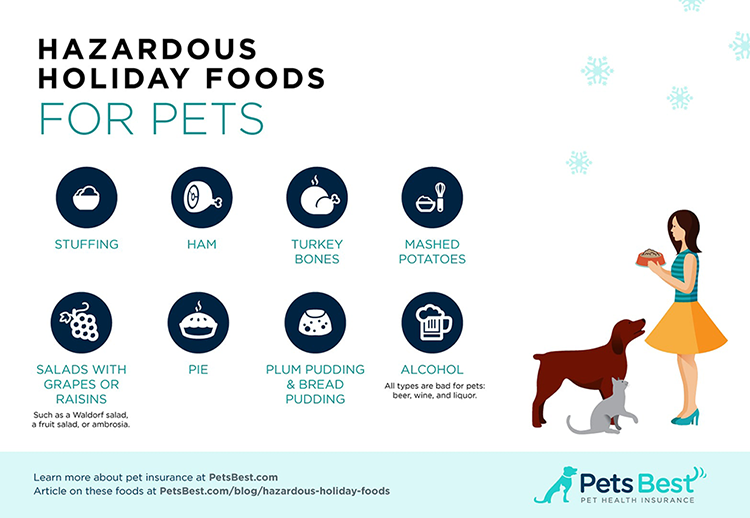
The holidays are almost here and that means an abundance of delicious food. However, many popular human dishes aren’t healthy for pets to consume. This is important to remember during holiday meals, when dogs and cats beg for table scraps and guests might fall for those cute faces.
Got Student Loan Debt? Don't Get Scammed
Earlier this year, the FTC announced Operation Game of Loans, a joint FTC and state law enforcement sweep against student loan debt relief scammers. The operation includes seven actions filed by the FTC.
In the FTC cases, the companies claimed to be affiliated with the government or the consumer’s loan servicer, and promised to reduce or eliminate student loan debt. They told people they were “pre-approved,” “pre-qualified” or “qualified instantly,” then pressured them to sign up for their programs on the spot. Enrolling required consumers to pay illegal advance fees of up to $1,500.
So what did these companies actually do? Usually nothing. Consumers were often left worse off, or received minimal help for services they could have gotten from their loan servicer or the U.S. Department of Education for free.
You don’t have to pay for help with your student loans. There’s nothing a company can do for you that you cannot do yourself for free. If you are a federal borrower, start with StudentAid.gov/repay. If you are a private borrower, start by talking with your loan servicer.
Here are some tips to avoid scams:
- Never pay an up-front fee. It’s illegal for companies to charge you in advance before helping you. If you pay upfront to reduce or get rid of your student loan debt, you might not get any help — or your money back.
- Only scammers promise fast loan forgiveness. Before they know your situation, scammers might say they can quickly get rid of your loans through a loan forgiveness program. But they can’t.
- A Department of Education seal doesn’t mean it’s legit. Scammers use official-looking names and logos, and say they have special access to certain federal programs. They don’t.
- Don’t share your FSA ID with anyone. Scammers could use it to get into your account and take control of your personal information.
Spotted a scam? Let us know about it.
For more resources on student loans, check out our new page: ftc.gov/StudentLoans.
Union Plus Scholarship Program
Looking for additional resources to help pay for your education? The Union Plus Scholarship Program may be able to help. Since 1991, the Union Plus Scholarship Program has awarded more than $4.2 million to students of working families who want to begin or continue their post-secondary education. Over 2,800 families have benefited from our commitment to higher education.
Learn More Here

Originally posted by the Federal Trade Commission. All rights reserved.
If you’ve got student loan debt, you’ve probably seen ads or been contacted by companies promising they can help. Some are scams – and the FTC is going after them.
Your November Financial To Do List
Even so, there are important steps you can take this month to put you in better financial stead, from learning ways to save money while shopping to making a number of end-of-year moves.
Here’s what should be on your financial to-do list:
Save on Shopping
This month, you may be able to save money when shopping online by understanding how retailers adjust their prices. More retailers now use dynamic pricing strategies—they shift their prices as they monitor competitors’ pricing and customer demand. Some even use what they know about your shopping habits and location to set the prices they show you.
There are steps you can take that may help you pay less, such as letting items sit in your shopping cart until the retailer drops the price to get you to buy. Another idea: Input a friend’s or relative’s ZIP code, or enlist someone in another ZIP code to shop for you. Prices may be lower than in your area.
There are also a number of digital tools you can use to save money while shopping. They range from browser extensions such as Invisible Hand to gift cards that sell for less than face value at sites like Raise or CardCash.
Take Your Required Minimum Distributions
If you have money in a tax-deferred retirement account such as a traditional 401(k) or IRA, and you’re over age 70 ½, taking a required minimum distribution before the end of the year should be on your financial to-do list.
The amount that you must withdraw is based on the amount of money you have in such accounts and your life expectancy, according to the IRS. Note that you will also have to pay taxes on this income when you file in April.
Failing to take your required minimum distribution can be costly: You’ll owe the IRS a penalty that comes to half of the amount that should have been withdrawn. It’s a smart idea to get in touch with your financial adviser now to figure out how much money you need to withdraw.
If your money is in a Roth IRA, you won’t need to add this to your financial to-do list. Roth IRAs are not subject to minimum distributions. You are also not required to take a distribution from a 401(k) with an employer for which you currently work.
Plan Your Charitable Contributions
Giving money to important causes is in keeping with the spirit of the holidays, and doing so before year-end can give you an extra write-off at tax time. Before sending in money, run a check of the organization you plan to contribute to via sites like Charity Navigator and GuideStar. These watchdogs, as they are known, offer reviews from donors as well as data on how much of the contributions you make go directly to the cause. (For local or regional charities, check the BBB Wise Giving Alliance.) When you do give, be sure to save the receipt so that you have it at tax time.
Visit Your Doctor
If you still have money in a medical flexible-spending account at work, put this on your financial to-do list: Start spending it down. Although many companies now offer a grace period into next year, you’ll forfeit any money you haven’t spent once that period expires. Take the opportunity to make doctor’s appointments that you’ve been putting off, or to schedule a flu shot if you haven’t had one yet. November is the slowest month of the year for doctors, according to Zocdoc, a website that helps you to find a doctor and make medical appointments online. So you should be able to get a convenient appointment with a reasonable wait time.
Note: If your money is in a health spending account (an HSA rather than an FSA), the unused balance will roll over to next year.
Buy Items on Deep Discount
In addition to the savings you’ll get on Black Friday and Cyber Monday, November is a great time to get a discount on televisions and toys.
Research by Consumer Reports product experts, who track prices year-round, shows that November is an ideal time to get a good deal on coffee makers and refrigerators. The cooler weather means you may also be able to get a good deal on leftover bikes and gas grills, which retailers need to move out of their stores.
Copyright© 2006-2017 Consumer Reports, Inc. of U.S., Inc. No reproduction, in whole or part, without written permission.


In just a few weeks, the holiday shopping season will officially start with sales during Black Friday—the day after Thanksgiving—and Cyber Monday. It’s also the time of year when you’re likely to be more focused on traveling and social get-togethers.
How Not to Get a Cold or Flu this Season
“Many different germs can survive on surfaces,” says Tom Talbot, M.D., chief hospital epidemiologist at Vanderbilt University Medical Center in Nashville, Tenn.
Touching a spot that has been contaminated by germs — at home, at work, or just about anywhere else — puts you at risk of infection if you later touch your mouth, nose, or eyes, all areas that allow microbes to enter your body.
Washing your hands — the right way and at the right time — eliminates the germs before they can gain access and make you sick. Here, advice from the experts:
When to Wash
Always wash your hands after you use the bathroom, before you eat food, and anytime your hands are visibly dirty, says Janet Haas, Ph.D., R.N., director of epidemiology at Lenox Hill Hospital in New York and president-elect of the Association for Professionals in Infection Control and Epidemiology. It’s easy to pick up or transmit germs in all three of these instances.
“People should also consider cleaning their hands after they’ve been on public transportation,” she adds.
Make sure kids wash their hands when they come into the house after playing outside. And the Centers for Disease Control and Prevention also recommends that you wash your hands after touching animals.
And if you’re sick with a respiratory infection, such as the common cold or the flu, you may want to clean your hands more often than usual, Haas says, because if you’re coughing and sneezing, you could be contaminating your hands and spreading the bug to others.
How to Encourage Your Doctor to Wash
While hand hygiene is always important, it’s essential if you’re in the hospital, where severe and sometimes antibiotic-resistant infections can lurk.
“Hospital personnel not only can transmit infections but also can get sick themselves,” says Orly Avitzur, M.D., Consumer Reports’ medical director. “So we all know that we should wash our hands before and after attending to every patient.”
But research shows that doesn’t always happen. According to the CDC and assorted studies, some providers clean their hands as little as half as often as they should.
If you are hospitalized or caring for someone who is, and notice that a healthcare provider hasn’t washed up when entering your room, speak up.
To make this conversation feel less daunting, Avitzur recommends taking note of any signs posted about hand-washing in the hospital and using that as a way to start the conversation.
Avitzur suggests saying—or asking a family member to say—something like, “I was so pleased to see that your hospital has a hand-washing policy. Have you washed your hands?”
In addition, remind visitors to wash their hands when they enter and leave your room. And if you’re the patient, be sure to keep up with your hand hygiene. Ask for help washing your hands before a meal, or request a bottle of alcohol-based hand sanitizer.
The Best Way to Wash
Generally, washing with soap and water is the most effective method for reducing the number of germs on your hands.
Plain soap is best—skip antibacterial products because there’s no evidence they work any better than regular soap, and they may encourage the breeding of bacteria that can’t be cured by antibiotics.
If you have no access to soap and water, using a hand sanitizer made with at least 60 percent alcohol is the next best option. But hand sanitizers won’t eliminate all kinds of germs, according to the CDC.
For example, they’re ineffective against Clostridium difficile (C. diff), a hard-to-cure diarrheal infection that’s common in hospitals. So if you have this infection, you (and your care team and visitors) will need to wash with soap and water.
Copyright© 2006-2017 Consumers Union of U.S., Inc. No reproduction, in whole or part, without written permission.


You can do plenty to help prevent the spread of viral and bacterial infections, such as getting a flu shot and staying home from work or school if you get sick.
But one of the most important steps is also one of the simplest: washing your hands regularly.
Annual Enrollment Period Is Here - Find a Medicare Plan Today
The AEP runs from October 15 to December 7 each year. If you didn't sign up for one of these plans when you first became eligible for Medicare (during your Initial Enrollment Period), the AEP is generally your chance to make these changes, unless you qualify for a Special Election Period (SEP).
What changes can you make during the AEP?
Here's a quick rundown of what you can do during the Annual Enrollment Period:
- Change to a Medicare Advantage plan from Original Medicare, Part A and Part B.
- Change from a Medicare Advantage plan to Original Medicare, Part A and Part B.
- Change from one Medicare Advantage plan to another (regardless of whether either plan offers drug coverage).
- Enroll in a Part D prescription drug plan.
- Change from one Medicare prescription drug plan to another.
- Opt out of Medicare prescription drug coverage completely.
Changes you make during the AEP go into effect January 1 of the next year.
Union Plus has partnered with eHealth to offer union retirees the Union Plus Retiree Health Insurance Program. The resources offered by eHealth can help you navigate your Medicare Plan options and choose the right Medicare plan for you and your spouse, based on your budget and needs. eHealth can provide information about many different insurance companies and Medicare plans at no additional cost to you with no obligation to enroll.
If you need personalized help over the phone, you can call an eHealth licensed insurance agent at 888-680-4770 (TTY users 711) Monday through Friday, 8 am – 8 pm Eastern Time during AEP to help you compare Medicare plan options available in your area or you can visit unionplusmedicare.com.


Do you want to make changes to your Medicare coverage? There are certain times when you can make these changes; some of these time periods are different depending on the type of Medicare plan.
For Medicare Advantage (also known as Medicare Part C) and Medicare prescription drug plans, there's an Annual Enrollment Period (AEP) when you can sign up for, change, or disenroll from the plan.
10 Things You Can Do to Avoid Fraud
- Spot imposters. Scammers often pretend to be someone you trust, like a government official, a family member, a charity, or a company you do business with. Don’t send money or give out personal information in response to an unexpected request — whether it comes as a text, a phone call, or an email.
- Do online searches. Type a company or product name into your favorite search engine with words like “review,” “complaint” or “scam.” Or search for a phrase that describes your situation, like “IRS call.” You can even search for phone numbers to see if other people have reported them as scams.
- Don’t believe your caller ID. Technology makes it easy for scammers to fake caller ID information, so the name and number you see aren’t always real. If someone calls asking for money or personal information, hang up. If you think the caller might be telling the truth, call back to a number you know is genuine.
- Don’t pay upfront for a promise. Someone might ask you to pay in advance for things like debt relief, credit and loan offers, mortgage assistance, or a job. They might even say you’ve won a prize, but first you have to pay taxes or fees. If you do, they will probably take the money and disappear.
- Consider how you pay. Credit cards have significant fraud protection built in, but some payment methods don’t. Wiring money through services like Western Union or MoneyGram is risky because it’s nearly impossible to get your money back. That’s also true for reloadable cards like MoneyPak, Reloadit or Vanilla. Government offices and honest companies won’t require you to use these payment methods.
- Talk to someone. Before you give up your money or personal information, talk to someone you trust. Con artists want you to make decisions in a hurry. They might even threaten you. Slow down, check out the story, do an online search, consult an expert — or just tell a friend.
- Hang up on robocalls. If you answer the phone and hear a recorded sales pitch, hang up and report it to the FTC. These calls are illegal, and often the products are bogus. Don’t press 1 to speak to a person or to be taken off the list. That could lead to more calls.
- Be skeptical about free trial offers. Some companies use free trials to sign you up for products and bill you every month until you cancel. Before you agree to a free trial, research the company and read the cancellation policy. And always review your monthly statements for charges you don’t recognize.
- Don’t deposit a check and wire money back. By law, banks must make funds from deposited checks available within days, but uncovering a fake check can take weeks. If a check you deposit turns out to be a fake, you’re responsible for repaying the bank.
- Sign up for free scam alerts from the FTC at ftc.gov/scams. Get the latest tips and advice about scams sent right to your inbox.
If you spot a scam, report it at ftc.gov/complaint. Your reports help the FTC and other law enforcement investigate scams and bring crooks to justice.
Originally posted by the Federal Trade Commission. All rights reserved.
Crooks use clever schemes to defraud millions of people every year. They often combine new technology with old tricks to get people to send money or give out personal information. Here are some practical tips to help you stay a step ahead.