Find consumer tips on everything from credit to home safety to travelling on a budget and so much more!
Seven Simple Ways to Reduce Money Stress
That’s why it’s not surprising to learn that half of all young adults in America (aged 25 to 34) believe that worries about money have a negative impact on their health. Even in a perfect economy, there will always be something to worry about, and that stress can be damaging – in more ways than one. That same survey found that 53 percent of young adults felt that money stress had negatively impacted their personal relationships.
Money stress is normal, and while you can’t avoid it entirely, there’s a lot you can do to manage and overcome it.
Don’t Ignore It
Try to avoid pretending that the stress you’re feeling isn’t there. Denying your worries or acting as though they aren’t justified will only make matters worse. Recognize that you’re stressed and that it’s okay to feel that way. After all, it’s very difficult to solve a problem if you refuse to accept that you have one.
Talk About It
No matter what specific issue is causing you stress, you are almost certainly not alone. There is tremendous value in simply sharing your experiences – your fears and personal pains – with sympathetic friends and others dealing with similar problems. It’s a great way to relieve some of your burden, put your problems into perspective, and see how others have dealt with similar situations.
Never Stop Doing Positive Things for Yourself
If you’re stressed about money, there’s a good chance you’ve stopped doing a lot of things you might otherwise be doing. Money woes can often cause us to freeze up out of fear of making things worse, or because we feel like we don’t “deserve” to have fun.
While it’s definitely a good idea to be cautious with your money when you’re feeling financial pressure, you should absolutely continue to do positive, fulfilling things for yourself. You should eat right, stay connected socially, and take care of your mental health. Do your best to avoid letting money problems spread to other parts of your life.
Stay Active
Staying physically active is an enormously effective way to battle through any kind of stress. If money has you tied up in knots, go for a walk. It costs nothing and can go a long way towards making you feel better.
Keep Learning
Money stress usually derives from either a lack of income, a wealth of debt, or some combination thereof. Understanding how to better manage money, how to shop smarter, how to use credit wisely, and how to build your savings – among other topics – can help you feel more in control of your finances, which will go a long way towards relieving your stress.
Take Active Steps to Make Things Better
Perhaps the most important way to reduce money stress is to attack the root cause of that stress. Strive to understand the core problem. If you have too much credit card debt, how did that happen? If it’s because you spend more than you can afford, try to understand the motivation behind that behavior. There’s probably a feeling or emotional motivator a couple layers below the more obvious surface problem. Try to figure out what really happened and take active steps to change your behavior and create a less stressful situation for yourself.
If you’re stressed about your income, consider what it might take to get a raise, move into a higher paying job, or add a second income. If you have more debt than you can handle, consider working with a debt and budget specialist or inquiring about a debt consolidation loan. Try to find the solution that works for you and make continuous progress towards those goals.
Try to Maintain Perspective
If you’re feeling really overwhelmed with money worries, try to take a step back and maintain perspective. There’s almost always a solution, and while things may feel dire right now, chances are good that if you find the right plan and do the necessary work, you can put yourself in a much better place.
Union Plus Credit Counseling
Union members can get a no-obligation money and credit assessment from certified, experienced consumer credit counselors though Union Plus Credit Counseling. Powered by the non-profit Money Management International (MMI), your free session will cover a complete financial review, assistance in budgeting, advice for working with creditors, and more.
Learn More

It’s hard not to have money on your mind. In good times and especially bad times, money is a constant source of consideration and concern.
Are You Ready To Show Your Home?
□Turn on lights
□ Make beds
□ Wipe down counters
□ Clean toilets and put seats down
□ Vacuum carpets
□ Take out trash
□ Clean mirrors
□ Air out home by opening windows
□ Put away anything on the kitchen counter
□ Turn on lights
□ Sweep front porch and deck
□ Make arrangements for animals to leave the home
□ Wipe down cabinets
□ Set dining room table
□ Light candles (with fresh scents)
□ Put out fresh flowers
□ Hide clutter via a tote in garage
If you only have a few minutes to get your home ready, consider just doing a few of these. It’s important to think about investing in a home cleaning service while you’re selling your home, so you don’t have to do a deep clean every time you have a showing. If you have kids, give each a tote to store things at the last minute, that can fit neatly in their closet. You can do the same thing if you have pets, find a tote that can store their toys and beds for last minute appointments.

Certain state restrictions apply to the real estate cash back program. To qualify for cash back reward (in cash back states), you must use a SIRVA-referred real estate agent. Program designed as a referral service to provide you the opportunity to select a real estate agent to meet your needs. You must evaluate the brokers, agents and their services and make selections and decisions based upon your best judgment, interest, priorities and concerns. Call 800-284-9756 or visit www.UP-RealEstateRewards.com for important program details and state restrictions.
SIRVA is an independent provider of services. Union Plus is not affiliated with SIRVA and does not manage SIRVA or its programs. SIRVA is paying Union Plus for advertising services including dissemination of information about SIRVA and its programs to participating unions and their members as well as participation in Union Plus events and programs.
No referral, recommendation, service representation or exclusivity requirement is intended by the Union Plus’s mention or dissemination of the SIRVA name and delivery of this information to participating union members.

You might feel like you’re mentally ready to sell your home, but is your home ready? Look at this quick checklist of things that you shouldn’t forget before you let potential buyers check out your house.
Tips on Dental Care When You’re on Vacation
When you take a vacation, make sure you don’t check out completely. Just because you are taking a break from the everyday doesn’t mean you can ignore your daily dental routine! When you go on vacation there are a few things to keep in mind.
When you pack, make sure you pack enough to keep your daily routine the same. A 3.4-ounce travel size toothpaste will provide 10 brushings per tube. With that number you can adjust and decide how much you should bring on your trip. The same goes for mouthwash and floss — make sure you bring them in order to maintain your normal routine!
Another important aspect to look at is the toothbrush you will be bringing with you on your trip. Some of the travel brushes on the market today have a major flaw. The lack of a long handle makes it difficult to get to the back molars in your mouth, leaving patches that have been avoided. Make sure when you shop for toothbrushes you keep in mind that it’s for travel. There is no need to spend excess amounts of money on an expensive, high-end toothbrush you are only going to use for a few days out of the year. It is better to put that money in your home toothbrush to make sure you are getting the most out of it.
One thing that can be taken out of your regular schedule is your teeth whitening. Keeping up with your overall dental health is much more important than continuing an at-home whitening schedule. There are some mobile teeth whitening kits that are available. However, they tend to be very expensive and quite bulky to carry around. If you are going on a short trip it is probably worth passing on the whitening.
When you travel you tend to snack much more often. When you are snacking on the go, make sure that you try to choose healthy treats instead of all the chocolate and sugar that is floating around airports. Apples and other fruits are a good choice if you can find them. Some of the best alternatives are pretzels and crackers because they promote a healthy thirst. The key is make sure to quench that thirst with water, not sugary soda and juices! The water will naturally help clean and rinse your teeth, helping reduce plaque buildup and keep away nasty stains.
Wherever you go, make sure you keep your dental health on your mind. This will help you remember to brush, drink lots of water and stay away from detrimental foods! No matter where your travels take you, make sure to keep up with your daily dental routine!

We encourage you to never underestimate the impact your dental health has on overall health and well-being, and we hope you’ll take advantage of significant savings on the care of your mouth, teeth and gums with the Union Plus Dental Discounts program.
How to Celebrate the End of Summer with Your Kids
Now that August is here, your kids only have a few weeks left before classes, homework, and extracurricular activities once again become their top priorities. Be sure to make the most of these last few days of summer by spending some quality family time. If you need some inspiration for your end-of-the-season bucket list, get everyone together to try some of our favorite activities to celebrate the end of summer with your kids.
Celebrate ‘National Smile Week’
If you didn’t already know, the second week of August is also National Smile Week. Turn your frowns upside down and plan some smile-centered activities for your happy clan. Get the kids to write their own jokes, then see who can get the biggest laugh. While you’re eating dinner, go around the table and talk about all the things that make you feel like smiling. Make masks displaying crazy smiles, or paint pictures of smiling people.
Have a Lemonade Stand
The lemonade stand is a summer staple. If your kids haven’t already tried their hands at this classic entrepreneurial activity, help them get a stand started by creating a sign, setting up a table and mixing up some tasty lemonade. If your children have already checked lemonade-selling off their summer lists, switch things up by offering cookies, juice or other nontraditional treat.
Prepare for School
Getting your kids ready for the impending school year can be a bit stressful, but it’s also a great chance for learning and bonding opportunities. Teach the kids about money while shopping for clothes and supplies by creating a budget for and giving cash to each child. Help them pick out the necessary items and show them how to be responsible spenders. While shopping, talk to your kids about what they’ll be learning over the next year, and ask if they have any worries or concerns. Having these discussions throughout the month of August can ease the transition between school and summer.
Go on a Picnic
The season will be over before you know it, so why not bask in the warm temperatures while they’re still here and take your family on a picnic? Pack a basket with sandwiches, snacks and drinks, and head to your favorite park. Enjoy spending time outdoors with everyone before school and colder days make picnicking impractical. If leaving the house is too much, picnic in your garden that you spruced up with your kids early this summer!
These are only a few of our favorite end of summer activities, but the possibilities are endless! Summer might be stressful as a parent, but doing fun things before school start will create amazing memories together!


Need some inspiration for your end-of-summer bucket list? Get everyone together with these tips from Teleflora of fun summer activities.
How to Save Money on Back-to-School Supplies
Shopping for back-to-school supplies can send parents into sticker shock. Aside from standard items such as pencils and papers, students from kindergarten through 12th grade often need — or want — pricier items, such as laptops or headphones.
That partly explains why parents are expected to spend, on average, nearly $688 on back-to-school supplies this year. That's up 8 percent from last year and up 60 percent compared to 10 years ago, according to data from the National Retail Federation, a trade organization.
The biggest two categories are electronics and clothing, which together comprise about two-thirds of a family’s back-to-school spending, the National Retail Federation says. Basic school supplies, such as pens and notebooks, can set a family back by about $114, making it the smallest spending category. Parents can cut down on their expenses by researching prices and delaying some purchases, says Kristin Cook, managing editor of BensBargains.com, a price-tracking site started by a student at University of California, Berkeley.
While there are good deals to be found in August, some stores will offer even better discounts starting in September, especially with apparel, Cook says.
Strategies When Buying the Basics
Prices for paper, pens, and pencils don’t vary much by store, but the items do add up.
Don’t overlook supplies you may already have on hand. Organizing a swap with other parents can also save money. One family might have an extra notebook that they’d exchange for lined paper, for instance.
Because school supplies are relatively inexpensive and priced similarly at various stores, look for retailers that are offering gift cards for purchasing school basics, Cook says. One such deal can be found now at Target, which is currently offering $5 gift cards when customers spend $50 on school supplies.
Smart Tech Strategies for Electronics
While shopping for all kinds of back-to-school supplies, several apps and services are available to help track prices for big-ticket electronics items, such as Amazon-price tracking service Camel Camel Camel. Parents can enter the URL of a product they want to buy for their kids, like a Chromebook, and receive an email alert when it drops. The site also provides a price history, so you can see when a product hit its lowest and highest prices on Amazon.
If you are shopping for back-to-school supplies at a brick-and-mortar store, bar code scanners such as ShopSavvy app check whether cheaper prices are available elsewhere. The best strategy may be to wait for Black Friday sales on electronics, which now start as early as October, says Cook. If students don’t have an older laptop or tablet to use until the holiday sales kickoff, there are still discounts to be found, although they might not be as deep as those offered later in the year.
Hold Off on Apparel
While growing kids need new clothing, resist buying an entire fall wardrobe in August because retailers typically slash fall clothing prices in September, advises Cook. She recommends buying one back-to-school outfit in August, and returning the following month to score deals on more apparel. That delay also gives students a chance to check out the current fashion trends at school.
Preteens and teenagers are old enough to be involved in budgeting, says Sara Skirboll, a retail and trends expert at RetailMeNot. Even better, give them half of the budget to spend themselves, which will motivate them to stretch their money and find deals. That being said, keep an eye on what they are buying, since many schools have dress codes or standards.
Copyright© 2006-2017 Consumer Reports, Inc. of U.S., Inc. No reproduction, in whole or part, without written permission.


Parents are spending more than in years past, but there are ways you can reduce the bill. Check out these great money-saving ideas from Consumer Reports Digital.
Make Back-to-School Better with Budget
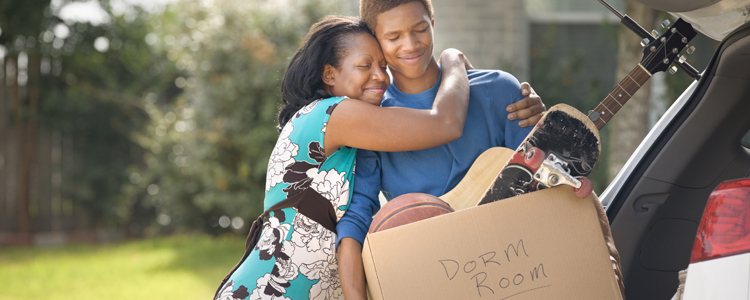
Moving the kids to school is never easy. Advance planning, including reserving a rental truck, is key to making the move easier. Budget Truck Rental offers these simple guidelines to help make the back-to-school move more efficient, less stressful and safer:
- Pack like a pro. Students today are taking more than clothes and school supplies to campus; they're packing computers, printers, gaming systems and other electronics. Budget Truck Rental encourages customers to pack electronics in their original boxes, if available. If not, a strong box should be used and the components should be generously wrapped with plastic cushioning wrap. Packing peanuts or any shredded materials can get into the device and cause damage. Use caution with larger televisions. Many newer TVs need to be transported standing up or they could be damaged. The screen should also be protected. Whether boxes are filled with hangers, power strips/surge protectors, extra-long sheets or shower necessities, they should always be full. If there is space at the top and the box is already heavy, some light weight filler like plastic cushioning wrap, packing peanuts or crumpled paper should be added. Otherwise, if there is empty space at the top, stacking on top will cause the box to crush and tilt. Boxes should be labeled on the sides, not the tops, which may be covered by other boxes. In addition, Budget Truck Rental offers a wide variety of products to make moving easier. These include furniture pads and dollies, boxes, tape, plastic cushioning wrap and rope.
- Plan your truck needs ahead of time. To ensure truck availability, reservations should be made as far in advance as possible. Truck availability is best mid-week (Sunday through Thursday) and mid-month. Hand trucks and moving pads can help make moving easier and protect possessions. Budget Truck Rental locations have these available for rent.
- Plan your travel route. Trucks are prohibited on some roads. Budget Truck Rental recommends planning the proper route ahead of time to avoid police citations for driving on roads where trucks are prohibited or getting stuck beneath an overpass. Budget Truck Rental is the first and only major consumer truck rental company to offer Global Positioning System (GPS) units that include routes designated for trucks. With guidance by Garmin® , where2 offers Budget Truck Rental customers an array of navigation features, including truck routes and local points of interest such as ATMs, hotels, restaurants and gas stations, a simple user interface, high-quality maps, audible turn-by-turn directions spoken in multiple languages and Bluetooth hands-free calling capability.
- Drive safely. Customers should take time to adjust the rental truck's mirrors. Caution should be used when backing up the truck and renters should never back up with towing equipment. Budget Truck Rental recommends that customers use extra caution on sharp turns. Trucks are longer and wider and need more turning area than cars. Renters should always use the turn signal and allow greater distance (at least five vehicle lengths) between the truck and the vehicle ahead. Customers should watch for overhead clearances, allow for at least 14 feet of overhead clearance, and beware of low canopies, overpasses, bridges, drive-through lanes, tree branches, parking garages and signs prohibiting truck traffic.
Budget Truck Rental's fleet features cargo vans, 10-foot, 16-foot and 24-foot trucks with ramps or lift gates and is one of the cleanest and best-maintained rental truck fleets on the road. Every vehicle undergoes a 10-point quality inspection to ensure proper fluid levels, tire pressure and other necessary elements for a reliable, safe rental. All Budget trucks feature automatic transmissions and have free 24/7 emergency roadside assistance.
*Adapted from Budgetruckcom website.

The start of a new school year can be challenging for students and parents alike. Tuition, making new friends and hitting the books are just a few of the tests you have to face. Getting there does not have to be one of them and it doesn't have to cost an arm and a leg.
Home Repairs and Updates That Will Help Your Home Sell
Do Some Yardwork, First Impressions Count
- Keep the lawn moved, preferably on the diagonal
- The color yellow sells – plant yellow flowers such as marigolds along the walkway or by the front door
- Wash the exterior windows
- Paint or replace the front door and buy new hardware
- Power spray the house to get rid of dirt and cobwebs
- Buy a new welcome mat for the front steps
- Paint or replace the mailbox
Declutter Your Home
- Remove all personal photographs from the tables and walls. Patch holes in the walls or hang non-personalized artwork over the existing nails
- Pack up your bookcase (you’re going to move anyway)
- Clean out the closets and store non-essential items
Clean, Clean, Clean…Your Kitchen
- If new granite is out of your budget, consider either re-grouting the kitchen counter tiles, which is surprisingly cost effective, or covering them with granite tiles instead of granite slab
- For wood cabinets, stripping the finish and re-staining or painting will save you more money than re-surfacing the cabinets
- Buy new knobs and/or pulls for the cabinet doors.
- Replace a worn kitchen faucet
- Buy a new kitchen sink basket strainers
- Consider installing kitchen pendant lights over the sink
With these quick and budget-friendly tips, you’ll be on your way to maximizing the value of your home and one step closer to the closing table.
If you are ready to sell your home, don't forget the Union Plus Real Estate Rewards program. You can earn $500 cash back for every $100,000 in home value when you use a real estate agent, approved by SIRVA.

*Certain state restrictions apply to the real estate cash back program. To qualify for cash back rewards (in cash back states), you must use a SIRVA-referred real estate agent. Program designed as a referral service to provide you the opportunity to select a real estate agent to meet your needs. You must evaluate the brokers, agents and their services and make selections and decisions based upon your best judgment, interest, priorities and concerns. Call 800-284-9756 or visit www.up-RealEstateRewards.com for important program details and state restrictions.
SIRVA is an independent provider of services. Union Plus is not affiliated with SIRVA and does not manage SIRVA or its programs. SIRVA is paying Union Plus for advertising services including dissemination of information about SIRVA and its programs to participating unions and their members as well as participation in Union Plus events and programs. No referral, recommendation, service representation or exclusivity requirement is intended by the Union Plus's mention or dissemination of the SIRVA name and delivery of this information to participating union members.

It’s always nice to actually make money when selling your home, but you might not be in the position to spend a lot of money making updates to your home before you sell. There are however, many things you can do that are relatively inexpensive that could make a big difference in the sale price of your home. Here are some cheap and easy tips for how you can spruce up your home and get top dollar at the closing table.
Three Counterintuitive Ways to Save Money
Shop for Groceries More Often
Common sense seems to dictate that the less shopping you do, the more money you save. While that may be true in most instances, it may not be the case for you, especially if you’re not great at setting a schedule and sticking to it. If you have an issue wasting food (which is statistically probable, given that nearly one-third all food produced in the world ends up going to waste), long-term grocery planning may not be your strong suit. And that’s fine! I personally find that when I try to plan meals out for an entire week, things inevitably go awry and something goes to waste. So instead, I tend to shop in four day cycles. This makes it easier to invest in fresh produce and helps ensure I use up everything I bought.
Invest in Quality
When you’re trying to save money, the less expensive option will always look the most appealing. Cheaper, older, secondhand – however you get there, if it costs less, it will almost always jump to the head of the line.
But cheaper rarely means better, and a dollar saved today could cost you five times over in the future. That’s why spending more for higher quality can often be such a worthwhile, money-saving investment. From mattresses to dress shoes, when you invest in high quality goods, it can save you money in the long run. You can and should still be choosey, of course. Do plenty of research and price comparison before making your selection.
Plan to Splurge
Unplanned expenses can be budget-busters, and unplanned splurges can be even more damaging. When you’re living on a tight budget or trying to save money, you may feel routinely tempted to break from your frugal lifestyle and splurge. That’s natural – the more constricted your spending is, the more you’re going to feel that desire to buy something.
Rather than running away from those urges, consider working them into your spending plan. In much the same way that athletes on a strict diet allow themselves to have a “cheat day”, you can build a planned splurge into your budget. You don’t have to plan out your purchase, just leave a space in your budget – once a month or once a paycheck – and use those funds to “cheat”. By having your splurge planned out, you scratch that itch, but you’re prepared for it and your budget is designed to support it.
Union Plus Credit Counseling
Union members can get a no-obligation money and credit assessment from certified, experienced consumer credit counselors though Union Plus Credit Counseling. Powered by the non-profit Money Management International (MMI), your free session will cover a complete financial review, assistance in budgeting, advice for working with creditors, and more.

There are plenty of good ways to save money, many of them pretty obvious. Get rid of cable TV; eat out less; turn off the lights when you’re not in the room, etc. There are also a few slightly less obvious ways to save – ways that may even seem a little backwards at first glance.
Outdoor Patio Decorating Tips for Summer
Bring People Together
Make your patio a popular spot for family and friends to gather by equipping it with comfortable, intimate seating arrangements. If your clan enjoys gathering around a delicious grilled dinner, consider investing in an outdoor dining table with plenty of chairs. If the patio is situated in a particularly sunny spot, choose a table with a detachable umbrella that can block your loved ones – and their meals – from glaring rays.
While you may not want to use your finest china for your outdoor eating space, you don’t need to settle for paper plates. Discount stores and online shops offer plenty of durable, affordable table settings in cute designs for every aesthetic. Because patio dinners are more likely to involve spills and accidents, select dinnerware made from plastic and metal instead of glass.
Plan on hosting more casual get-togethers? Plush outdoor couches and chairs are perfect for relaxing in the great outdoors. To enable your patio to transition from day to night, install a fire pit or invest in heat lamps.
Light It Up
Go ahead and bring a little ambiance to your space by adding soft lighting. Twinkle lights, tiki torches and lantern-style lights are all excellent options, as they provide a glow without being too harsh or overwhelming. When hosting nighttime celebrations, consider creating a path from the house to the patio using lawn lights. Guests won’t be stumbling around in the dark, and your mood lighting won’t be compromised.
Add a Natural Touch
You choose to spend time on your patio rather than in your living room because it’s outside, so don’t clutter it with indoor decor. Instead, decorate it with nature’s embellishments: flowers and other eye-catching plants. Want your patio to be a Zen paradise? Bring in some potted greenery, like succulents or bamboo. Searching for the perfect centerpieces for summer barbecues? Roses, lilies and sunflowers are the best summer flowers to put the finishing touches to any warm weather dinner table.
It only takes a few additions to a backyard patio to make it the perfect escape. In addition to all of these tips, make sure you know what plants help keep the mosquitos away!


Your back patio is a great space for cooking out, relaxing, dining, playing and entertaining. With so many uses, finding the right balance between functional and fabulous in your patio decor can be a difficult task. Need some inspiration for sprucing up your multipurpose outdoor space? Check out these patio decorating tips from Teleflora for creating a welcoming and beautiful space for summer.
Today’s Drivers. Tomorrow’s Features.
Safety is often cited as a top priority among car buyers and rightfully so, considering automotive fatalities have increased in recent years and continue to result in over 30,000 deaths per year. To date, automotive fatalities are the number one cause of accidental deaths in the USA. As grim as those truths are, there is a bright side. Automakers continue to develop technologies that minimize danger to drivers, occupants and pedestrians every year. In fact, the National Highway Transportation & Safety Agency (NHTSA) is exploring changes to the New Car Assessment Program (Star Ratings) to address the rapid developments in vehicle technology, especially in the area of crash avoidance.
As safety technology improves, it means that new vehicles today often have more safety equipment than the most advanced vehicles from 10 years ago.
Overwhelmed or confused about what safety systems are out there and how they work? We’ve put together a list of key safety technologies for you to consider during your next vehicle purchase.
Blind Spot Monitor
We love Blind Spot Monitor systems because the technology is remarkably easy to use, and something we interact with nearly every time we get behind the wheel. When another vehicle is traveling alongside you and is a bit too close for comfort, a notification light will turn on letting you know that it’s unsafe to change lanes. These notifications are often found on the side view mirrors, but we prefer applications where the warning lamps are on the inside of the car within the line of sight of the mirror. This eliminates any obstruction due to moisture, dirt or snow. Some automakers are now including notifications in the Heads Up Display that projects onto your windshield, so a driver doesn’t even need to turn his/her head to know if a vehicle is in the blind spot.
Automatic Emergency Braking (AEB)
AEB combines multiple technologies to minimize or eliminate collisions. While the technology was first used in applications for vehicles traveling forward, the technology has been applied to prevent crashes while traveling backwards. Sensors in the vehicle calculate vehicle speed against required stopping distance and applies the brake when a collision is imminent or likely. The system alerts the driver, pre-charges the brakes and, if necessary, automatically applies the brakes in rapid succession. Often, AEB works with seatbelt pretensioners that retract the seatbelt, holding occupants snugly in place to reduce injuries that may occur from a collision. Many automotive safety experts believe that AEB is the single most valuable technology available today to reduce the traffic accidents on the road.
Surround View Cameras
Starting in 2018, all new vehicles in the US will be mandated to come equipped with a rear-view camera. This is in response to an incident in 2002 where a child was tragically killed when a driver was unable to see them as they backed out of a driveway. While danger of injury to pedestrians located on the side or in front of the car is less likely, surround view monitors provide a 360 degree, overhead view of the area surrounding your vehicle. This helps keep your car safe too, reducing the likelihood of dents and scrapes while negotiating tight parking spots or alleyways.
Lane Keep Assist
While fully self-driving vehicles are still years away, we can already enjoy the benefits of this emerging technology today. Semi-autonomous driving systems use sophisticated sensors to detect traffic lanes and vehicle surroundings. These sensors enable the vehicle to control speed, distance between vehicles and steer within a lane. Some vehicles now offer the ability to change lanes automatically as well. These systems are not designed to completely take over control of the vehicle, and require consistent monitoring from the driver (or the system will shut off). While the systems don’t allow for drivers to be inattentive, they help reduce driver fatigue over long hauls and assist the driver in maintaining awareness of driving conditions.
Lane Departure Warning
A step below Lane Keep Assist systems is Lane Departure Warnings. While these systems don’t actively steer the vehicle, they detect traffic lanes and alert the driver to any drifting outside of those lanes. The alerts vary from audible chimes, to visual cues, to haptic seat feedback, to a slight nudge from the steering wheel to get you back on track.
Cross Traffic Alert
Nearly every driver has experienced pulling out of a driveway or parking spot at the mall and had their heart skip a beat as a car goes whizzing by. Rear Cross Traffic Alert systems act as a spotter to oncoming traffic that can be difficult or impossible to see. The system is often integrated with rear camera monitors and can also indicate which direction the traffic is coming from. The haptic seat feedback systems that give your seat a buzz rather than audible chimes assure only the driver is alerted.
Driver Awareness / Heads Up Display / Voice Recognition
We are bundling a variety of emerging technologies into a category that minimizes driver distractions. Heads up displays project an image onto the windshield, just above the steering wheel, in a driver’s line of sight and provide a snapshot of relevant data like vehicle speed and navigation instructions. Voice recognition allows for common functions like temperature settings and audio playback. And driver awareness monitors driver inputs from the steering wheel and throttle; in some cases, it watches your eyes to detect drowsiness or lack of attention. These features are designed to make sure your eyes stay on the road, your hands stay on the wheel, and your attention stays focused on arriving to your destination safely.
SOS Services
If an accident occurs, many vehicles now offer post-accident emergency services to automatically dial 911 and send help. These telematics systems may require a cell phone to be paired to your vehicle or a subscription to an automaker supplied service, so be sure to talk to your local TrueCar dealer to ensure that you are set up to take advantage of all the safety systems available on your vehicle.
Rear Seat Occupant Warning (GM)
In 2014, over 30 children died from heatstroke after being left in a vehicle. In an effort to prevent further tragedies, General Motors introduced a feature that would alert the driver with an audible alarm, typically using the horn to notify the driver that they may have left an item in the rear seat of the vehicle. The technology uses a simple logic to perform this check. If a driver opens a rear door, enters the driver’s seat, exists the vehicle and doesn’t open the rear door again, the vehicle will trigger an audible alert.

See which car features are most notable for the current market.