Find consumer tips on everything from credit to home safety to travelling on a budget and so much more!
How to Deal with On-The-Road Emergencies
There are plenty of ingredients for a bad summer road trip in addition to rain and cranky kids. You could be driving along when the engine stalls (the reason for GM's recent recall of 1.6 million cars) or the car accelerates suddenly and unintentionally (the reason for Toyota's recalls in 2009 and 2010) or a tire blows out. Here's what to do in those situations:
Stalled Engine
A car can lose power for many reasons, from running out of gas to having a faulty fuel pump or alternator. (In the recalled GM cars, the problem was an ignition switch that was flimsily made and easy to switch off inadvertently.) If you're driving and the ignition key moves to the accessory position accidentally, try shifting into neutral and restarting the engine.
Then shift back into drive and you're good to go. If the engine won't restart or has stalled for another reason, apply the brakes and steer gradually to the side of the road. You'll lose power steering, so steering will feel heavier, but it will still be possible. Expect the power boost for brakes to disappear after one or two applications, so try to stop as soon as you can, using the emergency brake if necessary.
Sudden Acceleration
Our tests have shown that brakes may not be enough to stop a car with a stuck throttle while traveling at highway speeds. Brake firmly, but don't pump the brakes. And don't turn off the engine, because doing so disables the power assist for your steering and brakes. Shift into neutral. Some modern gear selectors are unconventional enough to cause confusion about where neutral is; if yours is one of them, you can practice sliding your gear lever into neutral while driving in an empty parking lot at low speed.
Don't worry if the engine revs up alarmingly-most modern cars have rev-limiters, and that will keep the engine under control. Steer to a safe location and come to a full stop. Shut off the engine with the transmission still in neutral. Lastly, shift the transmission into park or, with a manual transmission, set the emergency brake.
Blown Tire
Don't stop in the travel lane; take a firm grip on the wheel and limp the car to a safe location. A new wheel is less important than your safety. Do what you can to prevent flats from happening in the first place by keeping all tires, even the spare, properly inflated to the automaker's recommended pressure.
Check air pressure at least monthly-many tire problems result from underinflated tires that overheat-and inspect the sidewalls for bulges or cracks.
For any of those emergencies, once you're safe take a deep breath, then turn on the hazard flashers and summon help.
Visit our guides to summer road trips and car maintenance for more information.
Keep These in the Car
In addition to a basic first-aid kit, have the items below on hand. If applicable, check them periodically to ensure that they're in working order-and be familiar with how each works before you need to use it in an emergency.
- Cell phone and car charger
- Fire extinguisher (multipurpose, dry-chemical compact unit labeled 1A:10B:C or 2A:10B:C)
- Warning light, hazard triangles, or flares
- Jack and lug wrench (if your car lacks run-flat tires)
- Nonflammable foam tire sealant (for minor punctures; not a permanent fix)
- Spare fuses (check owner's manual for correct type and replacement instructions)
- Bright, weatherproof flashlight
- Gloves, hand cleaner, clean rags
- Auto-club card or roadside-assistance number
- Jumper cables or a portable battery booster (eliminates the need for a second vehicle)
- Pen and paper (to leave a note on a windshield or jot down accident info)
- Escape device (for example, Resqme, a key chain with a blade to slice seatbelts and a spike to shatter windows)
Editor's Note: This article also appeared in the July 2014 issue of Consumer Reports magazine.
Copyright© 2006-2016 Consumers Union of U.S., Inc. No reproduction, in whole or part, without written permission.
Union members looking for the complete ratings, as well as expert advice on the highest rated consumer products, make sure to sign up for ConsumerReports.org with your Union Plus 27% online subscription discount.
Copyright© 2006-2016 Consumers Union of U.S., Inc. No reproduction, in whole or part, without written permission.
Learn what to do in a number of sticky situations.
Research Tips for Buying Used Cars
Where to Buy Used Cars
You can buy used cars from dealers, rental car companies, leasing companies, used car companies, private individuals and online. To get the best deal, you’re going to need to do some research — try out these tips!
Buying Used Cars From Dealers and Buyers Guide Rule
If you're considering buying from a dealer, you can find out if there are any unresolved complaints about a dealer on record by calling your local consumer protection agency, state Attorney General and the Better Business Bureau (BBB).
The Federal Trade Commission's (FTC) Used Car Rule requires dealers to post a Buyers Guide in every used car a dealer offers for sale (including trucks). The Used Car Buyers Guide must tell you:
- Whether the car is being sold "as is" or with a warranty
- What percentage of the repair costs a dealer will pay under the car warranty
- That spoken promises are difficult to enforce (get everything in writing!)
- To keep the Used Car Buyers Guide for reference after the sale
- A list of the used car's major mechanical and electrical systems, including some major problems you should look out for; and
- To ask you to have the used car inspected by an independent mechanic before you buy.
Be sure to get the original Used Car Buyers Guide, or a copy, from the dealer. And make sure it reflects any changes you may negotiate in warranty coverage. The Used Car Buyers Guide becomes part of your sales contract.
Buying Used Cars From Individuals
Private sellers do not need to offer a Buyer's Guide for used cars. Used cars sold by individuals are normally sold "as is", but you can request that the car be inspected by your mechanic.
Used cars may be covered by a manufacturer's warranty or a separately purchased service contract. But these may not be transferable. Review the warranty or service contract before you buy any used cars.
Evaluating Used Cars
Before You Buy Used Cars:
- Use an inspection checklist to examine the used car (get from magazines, books, the Internet)
- Test drive the car under varied road conditions - hills, highways, stop-and-go traffic.
- Ask for the used car's maintenance record. If the owner doesn't have it, contact the dealer or service shop where work was done for copies.
- Have used cars inspected by a mechanic you hire.
The secret to buying great used cars? Research before you buy. Learn how!
Debt Collection Laws: Know Your Rights
The Federal Trade Commission reports it receives more complaints about debt collectors than about any other single industry.
You do have rights when you're dealing with debt collectors, though, and it is important to understand how debt collection laws can protect you against unfair collection tactics. There is a strong federal debt collection law called the federal Fair Debt Collection Practices Act (FDCPA) which offers you the following protections, among others:
Harassment by Debt Collectors is Against the Law.
Collectors can't threaten violence; use profanity, or racial or ethnic slurs when they talk with you; call you repeatedly to annoy you; or threaten to take legal action they can't legally take. Whenever you talk with a debt collector, take notes of your discussion, and keep them in a file with copies of any letters you receive from them. You can use this free worksheet as a guide.
You Can Stop Debt Collectors from Contacting You at Work.
If you tell a debt collector that your employer does not allow you to take collection calls at work, he must stop contacting you there immediately.
Your Debt is a Private Matter.
Other than a co-signer, your spouse, or your attorney, debt collectors cannot discuss your debt with third parties. That means they can't tell your neighbors or coworkers about your debt. While they can contact others to try to locate you (without disclosing they are collecting a debt), once they've found you, those outside contacts must stop.
In addition to the federal law, states have their own laws related to debts and debt collection. For example:
- State debt collection laws put a time limit on collecting debts. Each state has a "statute of limitations" that essentially determines how long a debt collector can sue to collect. This time period is usually between 4 and 6 years from the time you stop paying on the debt. If a collection agency contacts you about a debt that is too old, you should write to them and ask them not to contact you again (see below). Keep in mind some debts, such as unpaid taxes, child support, or student loans, can often be collected indefinitely.
- You can tell a debt collector not to contact you again by sending it a "cease and desist letter." This is your right under the FDCPA After receiving your letter, the only reason a collector can contact you is to acknowledge your letter, or to let you know about legal action it will be taking against you. Keep in mind that sending a cease and desist letter may leave the collection agency with no other option than to sue you to collect. So you may want to use this strategy only if you don't believe you owe the debt, or if the debt is too old.
- If a debt collector breaks the law, talk with a consumer law attorney. If you successfully sue a debt collector you may be entitled to damages, as well as court costs and attorney fees. Working America members are eligible for a free 30-minute consultation with an attorney and a discount on subsequent fees through the Union Plus Legal Service.
Millions of Americans struggling with unemployment or pay reductions, large medical bills, and other financial challenges may experience even more stress if they fall behind on their and debt collectors start calling them.
Six Roadside Safety Tips
Union members can join the Union Plus Motor Club for less than AAA. Membership includes battery boost, flat tire change, lockout service, fuel delivery when you run out of gas, and more. Just $69/year covers your entire household. As a bonus, you'll receive $40 in gas rebate vouchers when you sign up for an initial one year of service. At this rate, membership could easily pay for itself.
Here are five more tips for what to do in a roadside emergency from the auto experts at Consumer Reports — including whether you should wait for help inside or outside your vehicle.
For more consumer advice, use your Union Plus discount to subscribe to ConsumerReports.org online. For just $22/year (26% savings) you'll get unbiased ratings on thousands of lab-tested products(including cars) and advice on making smart purchases on everything from prescription drugs to lawn mowers. Your subscription also supports fellow workers. ConsumerReports.org is published by Consumers Union whose testers and writers are represented by the Communications Workers of America (CWA).
This first tip is a money-saver.
Car Repair: Easy Ways to get Good Value for Your Money
When it comes to auto repair many of us are aware of some of the trade-offs between convenience, security and price, but we don't know enough to feel comfortable with our decisions and we realize we're not really in control. There's always some inconvenience and some risk. The trends are favorable, however, and there are easy ways to improve the odds of getting good value for your money.
Reliability at a Price
Reliability is just one factor you consider in buying a car and it's just one factor manufacturers consider in designing one. Cars are getting more reliable even as they get more complex, thanks to technical advances, but they also cost more--more to buy and more to maintain, even though less service is required. Either technicians need more equipment and more training for diagnosis and repair, or expensive modular units must be replaced. If something unexpected needs attention, getting at it can be time-consuming. Styling and performance needs often compromise ease of repair. Replacing a headlight isn't always easy these days. In many ways automobiles are becoming like the small household appliances that say "Attention: Do Not Disassemble. No user-serviceable parts inside."
A Changing Industry
These changes to cars have changed and shrunk the auto repair industry. Gas stations are more likely to sell bread than tune-ups. Dealers are getting more of the business. (Longer warranties have helped them, too.) Independent shops have had to specialize. Hourly labor rates have climbed dramatically. Franchises have acquired new pieces of the market: mufflers, tires, transmissions, tune-ups, oil changes, etc. With more choices, more specialization and less frequent service needs, we are less apt to know a repair facility through long personal experience. Without that experience we must rely on other people's opinions, appearances, ads, guarantees and legal protections.
Trade-Offs
Price, convenience, features, reputation--the same factors are important in choosing a repair facility as any other service or product. No one else will balance these factors quite the same way you do, but other people's opinions are important. Ask around, look around. Here are some general tendencies:
- Dealerships. Highest prices, best facilities. Often located far from employment centers. May offer shuttle services but seldom loaner cars. Best access to parts and latest factory service bulletins. Specialization--service manager, team leader, service technician, cashier--can make it difficult to relay the symptoms of a problem to the person doing the work or to get a complaint resolved, or it can help everyone do more of what he does best. Most people use a dealer while their car is under warranty, but it is not required.
- Franchises. Often emphasize convenience and speed. Always worth checking for price when you need what they specialize in. Beware of being sold unnecessary parts or service. Help tends to be lower paid and trained in much narrower areas than traditional auto mechanics.
- Independent Shops. The best and the worst. Like new restaurants that get "discovered," a small shop started by a master mechanic may have growing pains once the clientele grows and the mechanic must act as mostly a manager. Avoid places that "specialize in all cars foreign and domestic."
- Service Stations. The ones that do a lot of repair work now usually don't sell a lot of gasoline. Often the cheapest and most convenient for routine services: oil change, tire rotation, coolant, belts and hoses. Be sure they can get the right parts on time at a fair price before committing for major work.
Legal Protection
If you shop carefully and match your needs to the repair facility, problems should be rare. The nature of the business makes some disputes inevitable, however, and some places are dishonest. Here are some legal rights you should be aware of:
- Written Estimate. Most states require written estimates and forbid charging much more than the estimate without your further authorization. If diagnosis requires tearing down your car's engine or transmission, be sure you are clear what will happen and what it will cost if you decide not to go ahead with repairs. Never sign a blank work order.
- Replaced Parts. You should look at or take back your replaced parts. Most states require that they be offered to you. Have a mechanic elsewhere check them if you suspect the part's didn't come off your car or didn't need replacing.
- Warranties. Take the car back if the problem isn't fixed. Everybody hates "comebacks," but they're part of the business.
- Mechanic's Lien. With rare exceptions, you'll have to pay what the repair shop says you owe to get your car back. If there's a dispute, it's usually necessary to pay the whole amount and then sue in small claims court for a refund. It may seem unfair but it sure helps mechanics get paid. Call your lawyer for advice.
Source: National Resource Center for Consumers of Legal Services.
There's always some inconvenience and some risk in getting your car repaired — learn how to improve your odds of getting a good value.
Dealing With Cracked Screens Just Got a Lot Easier
Starting November 15, AT&T customers insured under any of the company’s device protection programs, will be able to get their screens replaced for just $891 – eliminating the need to shell out hundreds of dollars to repair a damaged screen or get a new phone.
The new screen repair option is included in all of AT&T’s device protection products as a part of the monthly charge. You only need to pay the $89 deductible to take advantage of the screen repair.
Eligibility for the new repair option is limited to select markets and phones – devices such as the Samsung Galaxy S7, iPhone SE and iPhone 6s are eligible, but others, such as the Samsung Galaxy Note3, are not. Still, for customers looking for a viable alternative to get their cracked screens fixed, AT&T’s new repair option offers a lot of benefits.
Benefits of AT&T's new screen repair option include the following:
- Same-day screen repair – get your phone fixed the same day the damage occurs, subject to appointment availability
- Convenient scheduling – schedule an Asurion-certified technician to come directly to you for repair
- One-year repair warranty – so you can feel confident about the service provided
Not yet with AT&T? In addition to the new repair option – as a union member, you can save 15% on the monthly service charge of qualified wireless plans2 and 20% off select accessories3 with the AT&T wireless discounts through Union Plus. You can also take advantage of other offers like getting up to $650 in bill credits4 when you switch to AT&T. Current AT&T customers can also take advantage of the AT&T wireless discounts through Union Plus.
Ready to start saving? Shop online, or download the coupon and head to your local AT&T store.
1Screen Repair: $89 deductible applies. Limited to eligible devices in select markets. Same-day repair appointments available between 9 AM and 7 PM local time, subject to technician’s availability in applicable service area. Claim must be approved by 2 PM local time to be eligible for same day repair. Repairs are performed by an Asurion-certified technician and come with a 12-month warranty. Repairs may use new or refurbished parts and may contain original or non-original manufacturer parts. Declining Deductibles not applicable to screen repair and selecting screen repair option will not impact customer’s Declining Deductible eligibility. Some colors of eligible devices are not covered. Eligible devices and available markets are both subject to change at any time.
Mobile Insurance and Multi-Device Insurance are underwritten by Continental Casualty Company, a CNA company (CNA), and administered by Asurion Protection Services, LLC (in Iowa, Lic. #1001002300, in California, Asurion Protection Services Insurance Agency, LLC, CA Lic. #OD63161. In Puerto Rico, Asurion Protection Services of Puerto Rico, Inc.), a licensed agent of CAN.
215% ON THE MONTHLY SERVICE CHARGE OF QUALIFIED WIRELESS PLANS: Available only to current members of qualified AFL-CIO member unions, other authorized individuals associated with eligible unions and other sponsoring organizations with a qualifying agreement. Must provide acceptable proof of union membership such as a membership card from your local union, a pay stub showing dues deduction or the Union Plus Member Discount Card and subscribe to service under an individual account for which the member is personally liable. Offer contingent upon in-store verification of union member status. Discount subject to agreement between Union Privilege and AT&T and may be interrupted, changed or discontinued without notice. Discount applies only to recurring monthly service charge of qualified voice and data plans, not overages. Not available with unlimited voice plans. For Family Talk, applies only to primary line. For all Mobile Share plans, applies only to monthly plan charge of plans with 1GB or more, not to additional monthly device access charges. Additional restrictions apply. May take up to 2 bill cycles after eligibility confirmed and will not apply to prior charges. Applied after application of any available credit. May not be combined with other service discounts. Visit UnionPlus.org/ATT or contact AT&T at 866-499-8008 for details.
320% ON SELECT ACCESSORIES: AT&T will apply the Accessory Discount to the prices of select Accessories available through AT&T, which may be modified by AT&T from time to time. The term "Accessory" or "Accessories" means supplementary parts for Equipment (e.g. batteries, cases, earbuds). The Accessory Discount will not apply to Accessories purchased for use with datacentric Equipment such as modems, replacement SIM cards and car kits or to Apple-branded Accessories, and the Accessory Discount may not be combined with any other promotional pricing or offer.
4Limited time (ends 3/31/17 in Puerto Rico). Each line requires an eligible port-in, trade-in, purchase, service, and final bill submission. Credits may not equal all costs of switching. Eligible port-in: From eligible carrier (excludes Cricket and select others) on their term agreement or device plan (excludes third-party agreements). Must buy eligible smartphone in same transaction. Eligible Purchase/Service: Smartphone on AT&T Next or AT&T Next Every Year Installment Agreement with eligible service (excludes prepaid, Lifeline, Residential Wireless, and select discounted plans). Account and service must remain active and in good standing for 45 days. Tax due at sale. Down payment may be required. If service is canceled, installment agreement balance (up to $950) is due. Limit: Purchase limits apply. Trade-in: Select locations. Must be smartphone on line ported, be in good working condition with minimum $5 trade-in value, and meet AT&T Trade-in program requirements. Trade-in Credit: Instant credit or private label AT&T Promotion Card issued by MetaBank™ or CenterState Bank of Florida NA, via license from Visa U.S.A. Inc. (may take 3 weeks to receive). Credit and Card valid for 5 months and for use only to purchase AT&T products and service in AT&T-owned retail stores, at att.com, or to pay wireless bill. At participating dealers get credit (with additional terms) for use at dealer. Final Bill: Must go to att.com/helpyouswitch and upload or mail final bill within 60 days showing Early Termination Fee (ETF) or device balance (including lease purchase costs) on number ported. Final Credit: Total amount equals device balance/ETF (excludes taxes, fees, service, and other charges) up to $650 minus trade-in. Get up to $640 for device plan balance or up to $340 for ETF. Within 4 weeks after meet eligible requirements, are mailed AT&T Promotion Visa Prepaid Card issued by CenterState Bank of Florida NA, via license from Visa U.S.A. Inc. Not redeemable for cash and non-transferable. For use at U.S. locations where Visa cards are accepted through date printed on card (minimum 150 days). Additional cardholder terms and conditions apply and are provided with Prepaid Card. See att.com/switch for offer details.
GENERAL WIRELESS SERVICE: Subject to Wireless Customer Agreement (att.com/wca). Services are not for resale. Deposit may be required. Credit approval, activation ($20), and other fees, monthly, overage and other charges, usage and other restrictions per line apply. Pricing, promotions, and terms subject to change and may be modified or terminated at any time without notice. Coverage and service not available everywhere. You get an off-net (roaming) usage allowance for each service. If you exceed the allowance, your service(s) may be restricted or terminated. Other restrictions apply and may result in service termination.
Cracked the screen on your phone and worried about the cost to fix or replace it?
Use these Money-Saving Tips Next Time You’re at the Pump
Shifting Gears: Real Money-Saving Steps
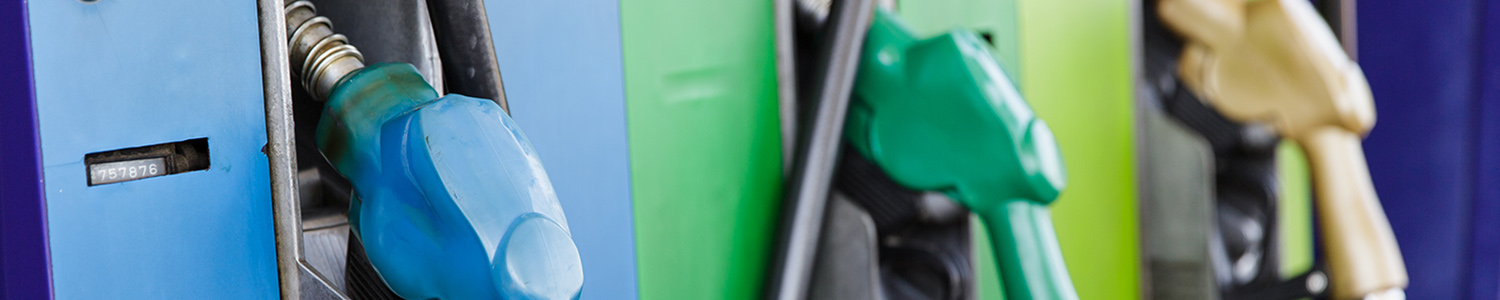
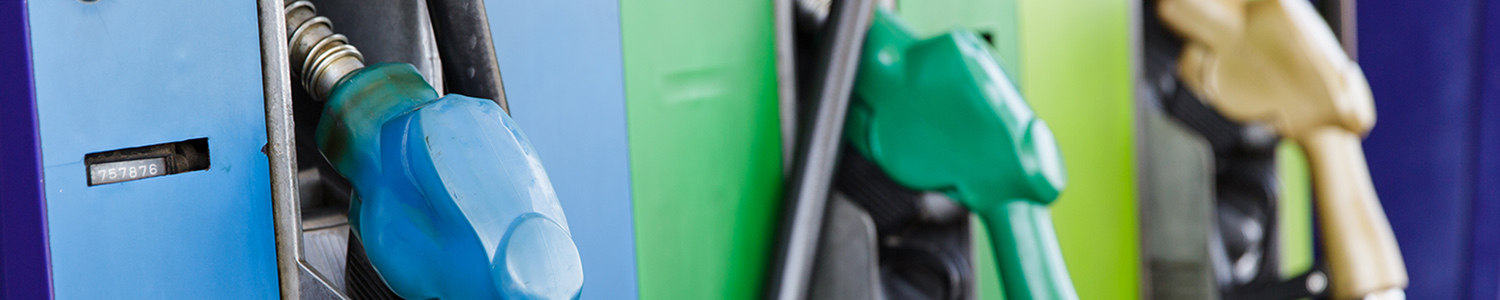
There are numerous no- or low-cost steps you can take to combat rising gas prices. The most important place to start is at the gas pump; buy only the octane level gas you need. All gas pumps must post the octane rating of the gas under the FTC's Fuel Rating Rule. Remember, the higher the octane, the higher the price. Check your owner's manual to determine the right octane level for your car.
Consider Buying a Fuel Efficient Vehicle
Deciding which vehicle to buy may be the most important fuel economy decision you make. The difference between a car that gets 20 MPG (miles per gallon) and one that gets 30 MPG amounts to $4,300 over 5 years, assuming gas costs $3.50 per gallon and you drive 15,000 miles a year.
Visit www.fueleconomy.gov for more information. You'll find gas mileage estimates and other important fuel data from the U.S. Department of Energy.
Here are some additional tips from the U.S. Department of Energy to help you get better gas mileage.
Drive More Efficiently
-
Stay within posted speed limits. The faster you drive, the more fuel you use. For example, driving at 65 miles per hour (mph), rather than 55 mph, increases fuel consumption by 20 %. Driving at 75 mph, rather than 65 mph, increases fuel consumption by another 25%.
-
Use overdrive gears. Overdrive gears improve the fuel economy of your car during highway driving. Your car's engine speed decreases when you use overdrive. This reduces both fuel consumption and engine wear.
-
Use cruise control. Using cruise control on highway trips can help you maintain a constant speed and, in most cases, reduce your fuel consumption.
-
Anticipate driving situations. If you anticipate traffic conditions and don't tailgate, you can avoid unnecessary braking and acceleration, and improve your fuel economy by 5 to 10%. In city driving, nearly 50% of the energy needed to power your car goes to acceleration. Go easy on the gas pedal and brakes. "Jack-rabbit" starts and sudden stops are wasteful.
-
Avoid unnecessary idling. Turn off the engine if you anticipate a lengthy wait. No matter how efficient your car is, unnecessary idling wastes fuel, costs you money and pollutes the air.
-
Combine errands. Several short trips taken from a cold start can use twice as much fuel as one trip covering the same distance when the engine is warm.
-
Remove excess weight from the trunk. Avoid carrying unneeded items, especially heavy ones. An extra 100 pounds in the trunk reduces a typical car's fuel economy by one to two percent.
Maintain Your Car
- Keep your engine tuned. Studies have shown that a poorly tuned engine can increase fuel consumption by as much as 10 to 20% depending on a car's condition. Follow the recommended maintenance schedule in your owner's manual; you'll save fuel and your car will run better and last longer.
- Keep your tires properly inflated and aligned. Car manufacturers must place a label in the car stating the correct tire pressure. The label usually is on the edge of the door or door jamb, in the glove box, or on the inside of the gas cap cover. If the label lists a psi (pounds per square inch) range, use the higher number to maximize your fuel efficiency. Underinflated tires cause fuel consumption to increase by six percent.
-
Change your oil. Clean oil reduces wear caused by friction between moving parts and removes harmful substances from the engine. Change your oil as recommended by the vehicle manufacturer.
-
Check and replace air filters regularly. Your car's air filter keeps impurities in the air from damaging internal engine components. Not only will replacing a dirty air filter improve your fuel economy, it also will protect your engine. Clogged filters can cause up to a 10 % increase in fuel consumption.
"Gas-Saving" Advertising Claims
The Federal Trade Commission (FTC) warns you to be wary of any gas-saving claims for automotive devices or oil and gas additives. Even for the few gas-saving products that have been found to work, the savings have been small.
Be skeptical of the following kinds of advertising claims:
-
"This gas-saving product improves fuel economy by 20%.
Claims usually tout savings ranging from 12 to 25%. However, the Environmental Protection Agency (EPA) has evaluated or tested more than 100 alleged gas-saving devices and has not found any product that significantly improves gas mileage. In fact, some "gas-saving" products may damage a car's engine or cause substantial increases in exhaust emissions.
The gas-saving products on the market fall into clearly defined categories. Although the EPA has not tested or evaluated every product, it has tried to examine at least one product in each category. See "Devices Tested by EPA" at the end of this brochure for category descriptions and product names. -
"After installing your product on my car, I got an extra 4 miles [6.4 kilometers] per gallon [3.8 liters]."
Many ads feature glowing testimonials by satisfied customers. Yet, few consumers have the ability or the equipment to test for precise changes in gas mileage after installing a gas-saving product. Many variables affect fuel consumption, including traffic, road and weather conditions, and the car's condition.
For example, one consumer sent a letter to a company praising its "gas-saving" product. At the time the product was installed, however, the consumer also had received a complete engine tune-up - a fact not mentioned in the letter. The entire increase in gas mileage attributed to the "gas-saving" product may well have been the result of the tune-up alone. But from the ad, other consumers could not have known that. -
"This gas-saving device is approved by the federal government."
No government agency endorses gas-saving products for cars. The most that can be claimed in advertising is that the EPA has reached certain conclusions about possible gas savings by testing the product or by evaluating the manufacturer's own test data. If the seller claims that its product has been evaluated by the EPA, ask for a copy of the EPA report, or check www.epa.gov for information. In some instances, false claims of EPA testing or approval have been made.
Product Complaints and Refunds
If you're dissatisfied with a gas-saving product, contact the manufacturer and ask for a refund. Most companies offer money-back guarantees. Contact the company, even if the guarantee period has expired.
If you're not satisfied with the company's response, contact your local or state consumer protection agency or the Better Business Bureau.
EPA Evaluation Efforts
The EPA evaluates or tests products to determine whether their use will result in any significant improvement or detriment to fuel economy. However, the EPA cannot say what effect gas-saving products will have on a vehicle over time because it hasn't conducted any durability tests. It's possible that some products may harm the car or may otherwise adversely affect its performance. In fact, today's vehicles' emission control systems are very sophisticated and complex. They have On Board Diagnostic features that alert the driver to problems associated with the emission control and fuel delivery systems. Retrofit products may have an adverse effect on these systems.
Gas prices are always in flux — try some of these gas-saving tips to save you money at the pump.
Tips for Packing Like a Pro
Here Are the Packing Supplies You'll Need:
- Boxes — Professional packing boxes are recommended. They are extra sturdy and come in a variety of stackable shapes and sizes made to hold everything from mirrors and mattresses to dishes and books.
- Packing paper (clean, unprinted newsprint)
- Bubble wrap, tissue paper, or paper towels for delicate items
- PVC tape
- Tape dispenser
- Broad-tipped markers for labeling
- Scissors or sharp knife for cutting cartons
- Notebook and pen or pencil for listing contents of cartons as they are packed
- Labels or stickers for identifying boxes
How to Pack a Box:
Before packing cartons, wrap most items to protect them from scratching and breakage. There are a variety of materials available, including bubble pack, foam peanuts and tissue. However, most professionals use bundles of clean, unprinted newsprint (available at your moving supply store).
Start by placing a small stack of paper on a flat, uncluttered table or countertop. Round glasses and jars can be rolled up in two or three sheets of paper; always begin from a corner of the sheet and fold the sides in as you roll.
Large or odd-shaped items require a similar technique. Place them in the center of the sheet and bring the corners together. It may be necessary to flip the item over and wrap it again from the other side. If in doubt, use more paper! When the corners are brought together, secure them with tape.
Before packing a carton, line the bottom with a few inches of wadded paper for padding. Place large, heavy items on the bottom and lighter, more fragile items on top.
Plates, books and things of similar shape, should be packed vertically to tap their structural strength. Don't overload cartons; keep them to a manageable weight. Fill voids and top off loaded cartons with wadded paper. Then tape cartons securely to avoid shifting while en route.
Labeling Tips:
- Label every carton or box. It makes unpacking easier.
- Use a broad, felt-tipped marker.
- Clearly mark room and contents.
- Indicate "FRAGILE" on delicates; "THIS END UP" where appropriate.
- If available, include your bill of lading number on every box.
More Tips from the Pros:
- Pack similar items together. For example, don't pack a delicate china figurine in the same carton with cast-iron frying pans.
- Keep all parts or pairs of things together. For example, curtain rod hangers, mirror bolts and other small hardware items should be placed in plastic bags and taped or tied securely to the article to which they belong.
- Wrap items individually in clean paper; use tissue paper, paper towels or facial tissue for fine china, crystal and delicate items. Colored wrapping paper draws attention to very small things that might otherwise get lost in a carton.
- Pack small, fragile, individually-wrapped items separately or a few together in small boxes, cushioning with crushed or shredded paper. Place small boxes in a single large box, filling in spaces with crushed paper.
- Seal cartons tightly with tape except for those containing items that must be left open for the van operator's inspection.
- As you finish each carton, list the contents on the side of the carton (for easy viewing while stacked) and in a notebook. You may also want to number or code the cartons.
- Put a special mark (number 1 or letter A) on cartons you want to unpack first.
- Label with your name and the room to which each carton should be delivered at your destination. Tape a sign on the door of each room at your destination corresponding to the carton labels so movers can quickly and easily put the cartons in the proper rooms.
Is there a move in your future? If you're planning on doing your own packing — use these tips and you’ll be packing like a pro in no time!
The Health Benefits of Flowers from Teleflora
Most people enjoy flowers in any way, shape, or form they can get them. Aside from being pretty, plants have many benefits for a person’s overall health and well-being. Summer is a great time for change, so why not spruce up for house or office with a few more plants. Here are just a few health benefits of having fresh-cut flowers part of your everyday life:
Emotional Health Improvement
Receiving flowers, whether they are sent from another person or you bought them for yourself, can give you an immediate mood boost. A bouquet of flowers is a sign that someone cares for you, and being well-thought of can do a lot for a person’s well-being. A pretty flower bouquet with bright colors and a soothing scent can brighten a room and your mood at the same time.
Aid in Memory and Concentration
Many people have a moment where they completely lose their train of thought. Keeping plants in indoor spaces may help with concentration and memory; plants oxygenate the air, boosting your brain cells and making you feel more like your best self. You can opt for a bouquet, or go for a longer-lasting plant, such as Teleflora’s Peaceful Zen Garden, a combination of bamboo and easy-to-care-for succulents in a brown bamboo container. These plants only need water once a week and grow quickly, making them entertaining, as well as good for supercharging your brain.
Aid in Relaxation
There is a reason so many stressed-out people turn to gardening to combat the blues; not only is the experience of growing things cathartic, but floral scents can do a lot to lower stress. Bring home a sachet of something soothing like lavender or chamomile and feel your troubles melt away. Even a fresh sprig of rosemary may help with headaches and tension. Before you know it, you will find yourself feeling like your best self.
Feel Better Faster
There is a reason people give flowers as gifts to patients in the hospital; yes, it’s a nice thing to do, but it may also help a patient heal faster. Frequently, hospitals include access to green space for recovering patients because simply looking at plants every day helps stressed people feel more relaxed. A relaxed person in the hospital typically heals faster than someone who is stressed out. Give a sick friend a major boost with a bouquet like Teleflora’s Make a Wish, a combination of multi-colored daisies, purple asters and red and orange carnations topped off with a bow. They will feel better in more ways than one.
You can find many soothing scents and beautiful bouquets with Teleflora, so try a few out and see what works best for you!
This article is brought to you by Teleflora, the provider of the Union Plus Discount Flower Delivery Service. Union members looking for the perfect gift save 20% on flowers and gift baskets from Teleflora! Click here to learn more.
Did You Know Healthy Teeth Means a Healthy Body?
Did you know there is a direct connection between the health of your teeth and gums and the rest of your body?
It’s true. The need for good dental health goes way beyond the health of your smile. Your oral health directly impacts your overall health. That’s why Union Plus partners with Careington to offer you an affordable dental savings program designed to help you save money on routine, preventive and diagnostic dental care. This program is designed to help you save on the dental care that’s critical to your overall health.
Detection
Visiting your dentist at least once a year, or the recommended twice a year, should be as important as your annual physical. When you see a dentist for routine and preventive care such as an oral exam, x-rays, and cleanings, it’s also an opportunity for your dentist to look for any indications of other conditions that can be diagnosed through signs and symptoms that may be visible in your mouth.
In fact, a routine trip to your dentist could help detect signs of these conditions:
- Leukemia
- Diabetes
- Kidney disease
- Heart disease
- Pancreatic cancer
- Oral cancer
Prevention
Beyond the health benefits of routine trips to the dentist to help watch for early indications of these conditions and more, proper oral hygiene can actually help prevent other health concerns. Consistent brushing and flossing using the proper dentist-taught techniques, following a healthy teeth-friendly diet, and visiting your dentist regularly to maintain your dental health, are all an important part of helping to prevent infection in major organs like your heart, and in keeping your digestive system healthy.
Savings
We understand that it’s costly to maintain your dental health. But we also understand it can be more costly if you don’t. Union Plus will help you save money on quality dental care that can help you improve your oral health and aid in detection and prevention of other serious health issues.
We encourage you to never underestimate the impact your dental health has on overall health and well-being, and we hope you’ll take advantage of significant savings on the care of your mouth, teeth and gums with the Union Plus Dental Discounts program.