Find consumer tips on everything from credit to home safety to travelling on a budget and so much more!
Prepare Your Car For Cooler Weather
Print out this cooler-weather checklist and stash in your glovebox to get your car ready for the days ahead.
Every Trip
- Before starting up the car, check around your vehicle for obstructions, including ones that might hide in snowbanks.
- Adjust the position of all mirrors and the driver’s seat, particularly if anyone else uses the vehicle.
- Don’t worry about “warming up” your car. Idling wastes fuel, and automakers rarely recommend it. Instead, run the engine for 30 seconds, then drive gently for the first five to 10 minutes so you become aware of road conditions.
- If necessary, clean grime, snow and frost from windows and outside mirrors. Even a slight film on windows can create blinding glare.
- Carry an emergency kit in the trunk. Pack paper towels for clearing windows, a snowbrush or scraper, a small shovel, jumper cables, a flashlight, a blanket and a bag of kitty litter or sand for traction.
Weekly, Or as Needed
- Pop the hood and look for cracks or signs of extreme wear in belts and hoses.
- Clean your headlights and taillights. Ask someone to help you check them; replace any that are burned out.
- Keep your gas tank at least half filled to prevent your gas line from freezing.
- Top off your windshield washer fluid with a product that deters snow and ice buildup.
- Check tire pressure at least at every other fill-up. Don’t eyeball it; use a tire gauge. Test your battery by switching your headlights on before you start your car. If they dim significantly after you turn the key, have your battery checked.
- Each time you fill up, calculate your miles per gallon. If you see a dramatic decline, take your vehicle in for maintenance.
Monthly
- Inspect your tires. Adequate tread depth is critical to safe handling. If you find less than 1/16 inch of tread, replace the tire.
- Check for cracked or smearing windshield wipers and replace them if necessary. If your region gets a lot of snow and ice, consider special winter blades.
- Pick a warmer day to get your car washed. You’ll improve your visibility and rinse off corrosion-causing salt.
Union members are eligible for special savings on auto and home* insurance through SnapQuote® offered by MetLife Auto & Home®. Call 855-666-5797 and mention Union Plus Discount Code DJ7

Home Insurance is not part of MetLife Auto & Home's benefit offering in MA & FL.
SnapQuote is used by MetLife GA Property & Casualty and other independent agencies and captive agents to provide consumers a broad choice of insurance providers. Coverage may be underwritten by unaffiliated carriers through MetLife Auto & Home Insurance Agency, Inc., with its principal place of business at 700 Quaker Lane,
Warwick, RI 02886, CA License #0D25399, AR License #100116171. Each insurer has sole financial responsibility for its own products.
MetLife Auto & Home is a brand of Metropolitan Property and Casualty Insurance Company and its affiliates, Warwick, RI.
L0717496846[exp0620][All States][DC]

Winter brings unique challenges for drivers. You can't be too careful on the road. Use these tips to stay safer during colder months.
Managing the Financial Fallout of Your Holiday Spending
If you didn’t put money aside for Christmas spending this year, or you overspent your budget, you may be feeling a pinch right now. The holiday season is the time of year when most people spend more than they planned. And not just on their gift list. With so many great deals, many shoppers like to find some great gifts for themselves, too.
But now that the damage is done, how do you keep it from having a long-lasting effect on your finances? After all, maxing out your credit cards isn’t good for your bottom line (or your credit report). Here are some things to consider in order to get your finances back on track as you head into 2019:
Review Your Credit Cards
How much did you put on your credit cards? What is your debt ratio? (This is also known as your credit utilization ratio - it's the amount of debt you have compared to the amount of available credit.)
Missing a payment, keeping your balances too high, and maxing out your available credit can hurt your credit score. And fast! Paying down your credit cards quickly and putting your debt ratio back in balance can keep you from having any long-lasting effects to your credit score.
Review Your Savings and Emergency Fund
Did you use money from savings or your emergency fund to pay for gifts? If so, you may find yourself in some financial trouble if you need this money for unexpected, but necessary expenses like car or home repairs. You’ll want to rebuild these funds as quickly as possible to reduce your financial stress.
Review Your Budget
You’ll need to find extra money to pay down your credit cards, and then rebuild your savings. But if your income hasn’t increased, that money has to come from somewhere else.
That means it’s time to get serious about slashing unnecessary items from your budget. Even if it’s only temporarily while you get back on track. Cancel gym memberships, cable services, and slash your entertainment fund to repurpose that money to debt and savings. Start packing your lunches, making coffee at home, and fix budget-friendly dinners until your credit cards are paid off and your savings are replenished.
Yes, it will be hard, but it’s only for a short time and in the end, you’ll be glad you did it.
Earn Extra Income
You can get your finances back on track much faster if you start bringing in extra income and directing that money to paying off debt and building savings. Consider some part-time opportunities that you can do in your free time to earn extra cash. Get a part-time weekend job, drive for Uber or Lyft, start a dog-walking service, offer to rake leaves, shovel snow, or babysit. If you’re crafty, open an Etsy shop.
The opportunities for earning extra income are endless. As an added bonus, you may decide that you like the work and the income that goes with it even after you’ve paid off your debt.
Getting your finances in order as quickly as possible will ensure that there are no long-lasting effects to your overspending. Once you’ve reviewed your finances and made a plan for how to get them back in order, review your holiday spending. It’s time to start planning for next year so that you don’t find yourself in the same place again.
Article written by Emilie Burke. Emilie writes about overcoming debt, while balancing trying to eat healthy, stay fit, and have a little fun along the way. You can find more of her work at BurkeDoes.com.

Spent too much over the holidays? Here's how you can get your finances back on track this year. Union Plus Credit Counseling provides a free consumer credit counseling session, budget analysis and money management advice.
Regular Eye Exams Can Help Keep Your Heart Healthy
Just as your primary care physician may listen to your heartbeat and check your blood pressure to monitor your heart rate, your eye doctor examines your eyes to get a clear look into your cardiovascular system. In fact, the eye is one of the only areas of the body where doctors have an unobstructed view of blood vessels. A full eye examination may reveal the first signs of serious heart conditions, including high blood pressure, before symptoms show up elsewhere in the body. And if not managed effectively, many of these cardiovascular conditions can lead to vision loss, too.
As part of your exam, your eye doctor may examine the retina to view small changes in the blood vessels in the back of the eye. This test can detect more serious diseases and is painless and noninvasive. Recent advancements such as digital retinal imaging enable your eye doctor to monitor all the structures of the retina over time.
What your eyes say about your blood pressure
Known as the “silent” disease because its victims often lack symptoms, high blood pressure affects about one in three adults in the United States—while more than one in five people don’t even know they have it.1 A comprehensive eye exam, however, may uncover early signs of cardiovascular disease.
Your eye doctor can check for subtle changes in the retina that result from high blood pressure, a condition called hypertensive retinopathy.2 If your eye doctor sees these changes, he or she can refer you to your primary care physician, who can recommend further testing and treatment.
In some cases, vision loss can occur due to hemorrhages or hypertensive retinopathy. This condition happens when blood obstructs the retina, the eye is deprived of oxygen or the macula (the central part of the eye) swells. Obstruction of the arteries and blood vessels in the retina can be temporary or permanent.3
By maintaining a healthy lifestyle, you can help avoid risk factors that may affect heart health and vision. Take care of your heart and eyes by following these steps:
- Exercise regularly
- Maintain a proper weight
- Eat a heart-healthy diet rich in omega-3 fatty acids, antioxidants and soluble fiber
Consult with your medical doctor before starting any exercise or diet program. And don’t forget to see your eye care professional for regular eye exams. Your eyes and heart will thank you.
1. National Library of Medicine, National Institutes of Health
2. American Heart Association, “Understand Your Risk for High Blood Pressure,” July 2010;
3. Harvard Medical School, “Eye Exams, High Blood Pressure Symptoms & Diabetes Symptoms,” 2005


Getting a regular eye examination can help you with more than your vision. A full eye examination may reveal the first signs of serious heart conditions, including high blood pressure, before symptoms show up elsewhere in the body. With the Union Plus Vision Program you can keep your eyes healthy all year long. Not insurance.
Cold Weather Pet Safety
Here are some tips to keep your pets safe during cold weather:
Winter wellness: Has your pet had his/her preventive care exam (wellness exam) yet? Cold weather may worsen some medical conditions such as arthritis. Your pet should be examined by a veterinarian at least once a year, and it's as good a time as any to get him/her checked out to make sure (s)he is ready and as healthy as possible for cold weather.
Know the limits: Just like people, pets' cold tolerance can vary from pet to pet based on their coat, body fat stores, activity level, and health. Be aware of your pet's tolerance for cold weather, and adjust accordingly. You will probably need to shorten your dog's walks in very cold weather to protect you both from weather-associated health risks. Arthritic and elderly pets may have more difficulty walking on snow and ice and may be more prone to slipping and falling. Long-haired or thick-coated dogs tend to be more cold-tolerant, but are still at risk in cold weather. Short-haired pets feel the cold faster because they have less protection, and short-legged pets may become cold faster because their bellies and bodies are more likely to come into contact with snow-covered ground. Pets with diabetes, heart disease, kidney disease, or hormonal imbalances (such as Cushing's disease) may have a harder time regulating their body temperature, and may be more susceptible to problems from temperature extremes. The same goes for very young and very old pets. If you need help determining your pet's temperature limits, consult your veterinarian.
Provide choices: Just like you, pets prefer comfortable sleeping places and may change their location based on their need for more or less warmth. Give them some safe options to allow them to vary their sleeping place to adjust to their needs.
Stay inside: Cats and dogs should be kept inside during cold weather. It's a common belief that dogs and cats are more resistant than people to cold weather because of their fur, but it's untrue. Like people, cats and dogs are susceptible to frostbite and hypothermia and should be kept inside. Longer-haired and thick-coated dog breeds, such as huskies and other dogs bred for colder climates, are more tolerant of cold weather; but no pet should be left outside for long periods in below-freezing weather.
Make some noise: A warm vehicle engine can be an appealing heat source for outdoor and feral cats, but it's deadly. Check underneath your car, bang on the hood, and honk the horn before starting the engine to encourage feline hitchhikers to abandon their roost under the hood.
Check the paws: Check your dog's paws frequently for signs of cold-weather injury or damage, such as cracked paw pads or bleeding. During a walk, a sudden lameness may be due to an injury or may be due to ice accumulation between his/her toes. You may be able to reduce the chance of iceball accumulation by clipping the hair between your dog's toes.
Play dress-up: If your dog has a short coat or seems bothered by the cold weather, consider a sweater or dog coat. Have several on hand, so you can use a dry sweater or coat each time your dog goes outside. Wet sweaters or coats can actually make your dog colder. Some pet owners also use booties to protect their dog's feet; if you choose to use them, make sure they fit properly.
Wipe down: During walks, your dog's feet, legs and belly may pick up deicers, antifreeze, or other chemicals that could be toxic. When you get back inside, wipe down (or wash) your pet's feet, legs and belly to remove these chemicals and reduce the risk that your dog will be poisoned after (s)he licks them off of his/her feet or fur. Consider using pet-safe deicers on your property to protect your pets and the others in your neighborhood.
Collar and chip: Many pets become lost in winter because snow and ice can hide recognizable scents that might normally help your pet find his/her way back home. Make sure your pet has a well-fitting collar with up-to-date identification and contact information. A microchip is a more permanent means of identification, but it's critical that you keep the registration up to date.
Stay home: Hot cars are a known threat to pets, but cold cars also pose significant risk to your pet's health. You're already familiar with how a car can rapidly cool down in cold weather; it becomes like a refrigerator, and can rapidly chill your pet. Pets that are young, old, ill, or thin are particularly susceptible to cold environments and should never be left in cold cars. Limit car travel to only that which is necessary, and don't leave your pet unattended in the vehicle.
Prevent poisoning: Clean up any antifreeze spills quickly, as even small amounts of antifreeze can be deadly. Make sure your pets don't have access to medication bottles, household chemicals, potentially toxic foods such as onions, xylitol (a sugar substitute) and chocolate.
Protect family: Odds are your pet will be spending more time inside during the winter, so it's a good time to make sure your house is properly pet-proofed. Use space heaters with caution around pets, because they can burn or they can be knocked over, potentially starting a fire. Check your furnace before the cold weather sets in to make sure it's working efficiently, and install carbon monoxide detectors to keep your entire family safe from harm. If you have a pet bird, make sure its cage is away from drafts.
Avoid ice: When walking your dog, stay away from frozen ponds, lakes and other water. You don't know if the ice will support your dog's weight, and if your dog breaks through the ice it could be deadly. And if this happens and you instinctively try to save your dog, both of your lives could be in jeopardy.
Provide shelter: We don't recommend keeping any pet outside for long periods of time, but if you are unable to keep your dog inside during cold weather, provide him/her with a warm, solid shelter against wind. Make sure that they have unlimited access to fresh, non-frozen water (by changing the water frequently or using a pet-safe, heated water bowl). The floor of the shelter should be off of the ground (to minimize heat loss into the ground) and the bedding should be thick, dry and changed regularly to provide a warm, dry environment. The door to the shelter should be positioned away from prevailing winds. Space heaters and heat lamps should be avoided because of the risk of burns or fire. Heated pet mats should also be used with caution because they are still capable of causing burns.
Recognize problems: If your pet is whining, shivering, seems anxious, slows down or stops moving, seems weak, or starts looking for warm places to burrow, get them back inside quickly because they are showing signs of hypothermia. Frostbite is harder to detect, and may not be fully recognized until a few days after the damage is done. If you suspect your pet has hypothermia or frostbite, consult your veterinarian immediately.
Be prepared: Cold weather also brings the risks of severe winter weather, blizzards and power outages. Prepare a disaster/emergency kit, and include your pet in your plans. Have enough food, water and medicine (including any prescription medications as well as heartworm and flea/tick preventives) on hand to get through at least 5 days.
Feed well: Keep your pet at a healthy weight throughout the winter. Some pet owners feel that a little extra weight gives their pet some extra protection from cold, but the health risks associated with that extra weight don't make it worth doing. Watch your pet's body condition and keep them in the healthy range. Outdoor pets will require more calories in the winter to generate enough body heat and energy to keep them warm – talk to your veterinarian about your pet's nutritional needs during cold weather.


You're probably already aware of the risks posed by warm weather and leaving pets in hot cars, but did you know that cold weather also poses serious threats to your pets' health?
What If Your Landlord Won’t Return Your Deposit?
You’re counting on getting your entire security deposit back when you move out of a rental. After all, you cleaned the place thoroughly and were a responsible tenant. However, your landlord may see things differently and want to keep some, or all, of the money.
Perhaps there was damage you didn’t notice, or you didn’t clean as thoroughly as you thought, or you didn’t fully pay the last month’s bills. Fair enough, the security deposit is there to help offset these costs.
But what if you did everything right and the landlord still won’t return your money? That’s when issues can arise. Here’s what you need to do.
Know Your Rights as a Tenant
Rental laws can vary depending on your city, county, and state. You should check your local laws to find out what rights you have as a tenant.
The U.S. Department of Housing and Urban Development has a directory with links to tenant rights websites for each state and some cities. Your local city government may also have a housing department with additional resources, and there could be nonprofit tenants unions or housing advocacy groups in your area that can help explain relevant rental laws.
Depending on the applicable laws, your landlord may have several weeks to inspect the property and return your security deposit. Landlords that don’t return a full deposit may have to give you an itemized list of how they’re using the money (e.g., to pay for a cleaning service, repair damages, etc.) or forfeit their right to the security deposit.
Generally, you won’t be responsible for normal wear and tear on the property or the appliances. However, if you caused damage to the property, left it less clean than when you moved in, took keys or appliances, or moved out without proper notice, the landlord may be able to keep money to offset the associated costs for repairs, cleaning, replacements, and lost rental income. Also, be sure to give your landlord a forward address where the security deposit can be sent.
Options for Dealing with a Reluctant Landlord
If your landlord is refusing to repay part or all of your security deposit and you think you’re in the right, you may want to start by contacting your landlord. A friendly discussion might help clarify why the landlord felt justified keeping the money, why you think that shouldn’t be the case, and lead to a mutually agreeable conclusion. If it doesn’t, here are a few other actions you could take:
File a Claim in Small Claims Court
You don’t need to hire an attorney to represent you in small claims court. However, you may need to send a demand letter before you can sue and there could be a small filing fee.
Bring all your evidence and records for the judge to review, including the lease, demand letters, correspondence, photos, and even a witness who can testify about the condition of the home when you moved in and out. Hopefully, the judge will rule in your favor and order the repayment of your security deposit. In some areas, a judge may even be able to award you more than the initial security deposit amount.
Hire an Attorney
If you don’t feel comfortable representing your case in small claims court or feel that the specifics of a case may require an expert understanding of the law, you could hire an attorney who is familiar with your local rental laws. You may be able to find pro bono (i.e., free) legal aid. Or, you might be able to hire an attorney on contingency, and the attorney will only get paid if you win your case. Depending on the case, the opposing side may have to pay your attorney fees.
Having to deal with demand letters and the courts could resolve your issue, but it isn’t an ideal situation. You may be able to prepare ahead and avoid having to deal with the legal system.
Four Steps to Avoid a Confrontation Later
As is often the case, preventative care can be easier than fixing an emergency later. Here are a few steps you can take when you move into a new place could help you avoid security deposit issues.
Do a Walkthrough with Your Landlord Before Moving In
Ask the landlord to review the home with you and make a note of any damages and its current state of cleanliness. Take pictures of anything you find, or even take a video as you walk through the home. You could add notes to the lease about specific damages and ask the landlord to agree with your assessment before signing the lease. Or, you may want to print a separate checklist for you and the landlord to sign.
Review Your Lease Terms
The lease should clearly outline how much the security deposit will be and when it will be returned.
Clean the Home and Repair Any Damages
If you leave the home a complete mess with holes in the walls, grime-covered floors, or abandoned belongings, the landlord is in the right to keep at least part of the security deposit to restore the home to its former condition. Clean and repair any mess or damage you cause, or hire someone to do the work for you before moving out.
Do Another Walkthrough When You Move Out
Just as you did before moving in, ask the landlord to do a final inspection with you. Take pictures or a video showing the condition of the home and ask the landlord to sign a move-out checklist. You could try to schedule the walkthrough for a day or two before your official move-out date, giving you time to do last-minute repairs and cleaning.
Whether you’re moving out of your first apartment or just bought a home and are going from renter to owner, getting your security deposit back can make the transition much easier.
There are a few preventative measures you can take to help ensure you’ll receive the correct amount back. If you think you’ve been wronged and aren’t receiving as much money back as you should, you can start with a friendly discussion with the landlord. When that doesn’t work, there are legal steps you can take that could help force the repayment of the security deposit.
Article written by Louis DeNicola. Louis is a personal finance writer with a passion for sharing advice on credit and how to save money.

You paid a deposit when you moved in, but now you're moving out and your landlord won't return your money. Follow these tips to help you get your deposit back.
See the Savings with Flexible Spending Accounts (FSAs)
With health care costs on the rise year-over-year,1 employers and the government alike have created ways to help families manage medical expenses. One particularly popular program is known as a Flexible Spending Account (FSA). You might also hear it referred to as a Flexible Spending Arrangement.
Either way, FSAs allow you to funnel pre-tax dollars into an account to be used for qualifying health expenses, like copays, deductibles and most prescriptions – including glasses and contacts. The rate of allowable deductions is set by the IRS and may vary by tax year; for 2018, it’s $2,650.2 Plus, you can apply extra discounts to qualifying FSA purchases to save even more.
While FSA seems simple, understanding the ins and outs can help you get even more out of the program.
Your FSA Checklist:
- First things first. Check your FSA guidelines to understand what purchases qualify.
- Premium optical retailers fill up fast, so you’ll want to schedule an appointment early.
- Keep a record. You may need to provide receipts, so hold on to necessary paper work.
How do FSAs Work?
At the beginning of your plan period, you’ll set how much you want to contribute to your FSA. Some employers choose to contribute to FSAs, too. Check with yours to see what’s available.
What counts as a medical expense?
Qualifying expenses vary by plan, so you’ll want to start there. Broadly, medical expenses are defined as the costs of prevention, diagnosis and treatment of disease affecting any part of the body.3 Beyond medical services, they may encompass necessary costs for equipment, supplies and diagnostic devices.4
For vision, this may include:5
- Eye exams and prescription glasses (even name brand frames like those carried at LensCrafters®)
- Contact lenses and maintenance materials (like saline solution)
- Eye surgery to treat defective vision (think Lasik)
Can I Use My FSA Dollars for Everyone in My Family?
Yes. You may use FSA dollars for yourself, your spouse and dependents you’ve claimed on tax returns (visit IRS.gov for the run down).6
Does FSA Money Roll over from Year-to-Year?
Generally, FSAs are use it or lose it, though some arrangements can include a grace period up to 2 ½ months after the end of the year, or a $500 reimbursement for the following year.7 They may not include both. It’s also not required of employers, so confirm your specific arrangement.
What about Receipts?
Many FSAs provide debit cards to use when making your qualifying purchases. This makes it helpful to keep track of how much you’ve spent. Make sure to keep your receipts, though, as the IRS may ask for them.
With FSA, Don’t Delay
There’s always an end-of-year rush to use FSA dollars, which means your favorite optical shops will probably fill up fast. If it’s time for your eye exam or you need a new pair of glasses or contacts, make sure to schedule your appointment as soon as possible. And don’t forget to check around for last minute deals and savings to maximize your FSA even more.
-
Historical. Centers for Medicare & Medicaid Services, https://www.cms.gov/Research-Statistics-Data-and-Systems/Statistics-Trends-and-Reports/NationalHealthExpendData/NationalHealthAccountsHistorical.html. Accessed October 2018.
-
2018 FSA contribution cap rises to $2,650. Society for Human Resource Management, https://www.shrm.org/resourcesandtools/hr-topics/benefits/pages/2018-fsa-contribution-limits.aspx. Accessed October 2018.
-
Publication 501 (2017), Medical and Dental Expenses, Internal Revenue Service, https://www.irs.gov/publications/p502#en_US_2017_publink1000178851. Accessed October 2018.
-
Ibid.
-
Publication 502 (2017), Medical and Dental Expenses. Internal Revenue Service, https://www.irs.gov/publications/p502#en_US_2013_publink1000178885. Accessed 2018.
-
Publication 969 (2017), Health Savings Accounts and Other Tax-Favored Health Plans. Internal Revenue Service, https://www.irs.gov/publications/p969#en_US_2017_publink1000204185. Accessed October 2018.
-
Publication 969 (2017), Health Savings Accounts and Other Tax-Favored Health Plans. Internal Revenue Service, https://www.irs.gov/publications/p969#en_US_2017_publink1000204185. Accessed October 2018.

These materials are designed to provide general information regarding health care topics, do not constitute professional advice nor establish any standard of care, and are provided without representations or warranties of any kind. Quotations, photos and videos are not from actual patients and your experience may be different. Your treating health care professionals are solely responsible for diagnosis, treatment and medical advice. The eye care professionals in your plan are independent practitioners who exercise independent professional judgment and over whom EyeMed has no control or right of control. They are not agents or employees of EyeMed. Eye care professionals do not take the place of your physician.
If you have an FSA/HSA account, here are some tips on what these accounts are and what is covered. One popular way to use these funds is to purchase prescription eyewear. In order to stretch the available dollars for your FSA/HSA, consider using the Union Plus Vision Savings Discount Card. You can download it and use it immediately. It is free to use for union members and their families. Download your card free card. Not insurance.
Financial Planning for Home Ownership
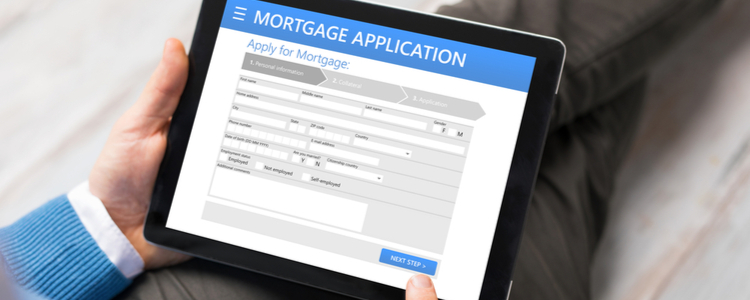
Start the foundation of your plan by figuring out how much you can afford to spend on a new home. You'll find plenty of tools out there to help you, like affordability or monthly payment calculators. There are several different factors involved with the affordability equation — including some immediate up-front costs, regular monthly payments and the ongoing expenses associated with homeownership. This article explores these factors to help you prepare accordingly.
Get off to a Good Start
One of the biggest out-of-pocket expenses you'll need to plan for is your down payment – the part of your property purchase price paid in cash and not financed with a mortgage. The more up-front money you can put down, the less you will pay each month for your mortgage.
The minimum required down payment depends on the mortgage program you select. In general, at least 3.5% of the sale price is required for an FHA or VA mortgage. If you put down less than 20% on a conventional loan, you may need private mortgage insurance — which would add to your monthly payments. When it comes to FHA loans, in addition to lower down payments they typically feature higher qualifying ratios than most conventional mortgages.
Don't forget that you will also need cash for the closing costs, which cover expenses that complete the transfer of ownership, such as an origination fee, attorney's fee, initial escrow payments and the costs of obtaining title insurance and a survey. Closing costs are typically based on the home price and vary according to location.
Prepare for the Long Haul
Unless you are paying for your home in cash, your financial plan will need to account for a mortgage payment for a term of your choosing — most likely 15 or 30 years. Your payments are based on both the principal (the amount of the loan) and interest (the amount you pay to borrow money, calculated as a percentage of the amount borrowed).
Payments may also include money held in escrow for property taxes and homeowners’ insurance. You can find out property tax information from the home's seller or your real estate agent and confirm it with the recording office in the county where your home is located. Property taxes are reassessed regularly, so this amount may change.
As for your homeowners’ insurance policy, your lender requires the policy to cover the cost to rebuild the home. The insured amount may be higher or lower than the actual purchase price, and your insurance company can give you an estimate based on specific property information.
No financial plan would be complete without full consideration of the "extra" costs of homeownership beyond your mortgage: utility bills, homeowners’ association dues and routine maintenance all come into play.
Remember the Benefits
It's easy to get overwhelmed by all the costs associated with your home. Try to keep in mind that owning a home also increases your assets, which can open up opportunities for other investments. Once you’re a homeowner, you may be able to use your home’s equity as a secure line of credit for future purchases. In addition, you may be able to deduct your mortgage interest, real estate property taxes and discount points. Consult with a tax advisor for details specific to your situation.
When you are ready to buy a home, contact Union Plus Mortgage Company to talk to a loan officer at 855-864-6653 or visit us online.
The AFL-CIO, Union Privilege and a group of unions own Union Plus Mortgage Company and will benefit if you get your loan through the company. However, you are not required to use Union Plus Mortgage for your loan and are free to shop. For your Affiliated Business Arrangement Disclosure Statement, please visit www.unionplusmortgage.com.
Union Plus Mortgage Company has a services agreement with Union Privilege in which Union Privilege receives a financial benefit for providing agreed upon services. The NMLS Consumer Access Website is: http://nmlsconsumeraccess.org.
NMLS Number 1561829


How much money will you need to buy your home now and maintain it into the future? Whether you’ve already started hunting or you're just now considering making the move to home ownership, you’ll need to get your financial house in order first to put yourself in a positive position.
'Tis the Season of Wireless Savings
-
Get a $400 credit when you buy LG V40 ThinQ™1
And trade in an eligible smartphone.
Limited Time. Req's elig. service (min. $60/mo. before discounts). Value via instant credit or promo card (valid min. 90 days). $30 activation, other fees, & restr's apply. See offer details below. -
Save up to $80 on Ultimate Ears Wi-Fi speakers2
Ends 1/3/19. Req's apply. See $80 details below.
-
Get up to $60 in credits when you buy the Samsung Galaxy watch3
See Samsung Galaxy watch details below.
Plus, with the AT&T Signature Program, union members can deck the holidays with exclusive savings on wireless — making for a happy holiday indeed.

1$400 TRADE-IN OFFER: Limited Time Offer. Online and select locations only. Elig. Devices: Must buy a new LG V35/V40/G6 Duo. Elig. Service: Postpaid svc (voice & data) is req'd (min. $50/mo. for new svc with AutoPay and paperless bill discount. Pay $60/mo. until discount starts within 2 bills. Existing customers can add to elig. current plans which may be less). Elig. Trade-In: Trade-in must be in good working condition. Req's min. $20 trade-in value & meet AT&T Trade-In Program reqmts. Must trade in elig. smartphone at a participating location and complete trade-in within 14 days from the receipt of new phone. If new phone purchased between November 23, 2018 and December 18, 2018, trade-in may be completed on or prior to January 2, 2019. This is not an early upgrade program. If purchase at att.com, will get an email after purchase with promotion code necessary to use during online trade-in in order to get the promotional $400 value. Promo code must be used within 14 days, or if new phone purchased between November 23, 2018 and December 18, 2018, on or prior to January 2, 2019. Credit/Promotion Card: In AT&T-owned retail stores, you will receive an instant credit. For online trade-in, must use promotion code and will get a promotion card within 3 weeks after complete trade-in of an eligible device. The card is a Private Label AT&T Promotion Card ("Card") issued by MetaBank™ or CenterState Bank of Florida NA, via a license from Visa U.S.A. Inc. Instant credit & Card may only be used for AT&T products & svc in AT&T owned retail stores, at att.com, or to pay wireless bill. Card expiration date not less than 90 days from receipt. Dealers: Participating dealers provide savings for use at time of trade-in or a dealer promo card. Dealer cards contain add'l terms & conditions & may only be used at specified dealer. Other Obligations: Trade-in does not relieve obligations under AT&T Next or other AT&T Return and Exchange programs including recently-purchased device returns, Warranty, or Extended Warranty. Devices to be returned through these AT&T programs should not be traded in via this offer. Limit: One trade-in per qual. purchase. Visit a participating store or [att.com/tradein] to learn more.
GEN. WIRELESS SVC: Subj. to Wireless Customer Agmt (att.com/wca). Credit approval req'd. Deposit: may apply. Limits: Purch. & line limits apply. Activation/Upgrade: $30 Fee. Credit approval, taxes, fees, monthly, other charges, usage, speed, coverage & other restr's apply. See att.com/additionalcharges for details on fees & charges. Promotion, terms, & restr's subject to change & may be modified or terminated at any time without notice. International and domestic off-net data may be at 2G speeds. AT&T service is subject to AT&T network management policies. See att.com/broadbandinfo for details..
2Ends 1/3/19. Eligible Devices: UE BLAST ($70 discount), UE MEGABLAST ($80 discount). Not combinable with certain offers/discounts/credits. Return: within 14 days. Restocking fee: 10% of purch. price over $200. Limit 4 per customer. Subject to change. Restrictions apply.
3Get up to $60 in credits when you buy the Samsung Galaxy Watch
Must activate & maintain svc on eligible smartwatch (min. $10/mo.) and add to eligible wireless svc on compatible Android 5.0+ phone (min. $50/mo. for new service after AutoPay & Paperless billing discount that starts w/in 2 bills). Req’s AT&T NumberSync®.
*Limited time offer. Get up to two credits w/in 3 bills ($30/service + up to $30 activation). Taxes, other charges & restr’s apply. Messaging restr’s apply.
*Up to $60 Credit: Limited time offer. Must purchase eligible device/have eligible devices and activate with eligible service. Eligible Devices: Requires (i) new Samsung Galaxy Watch + Cellular purchase at full price or on installment agreement and (ii) Android 5.0 smartphone or newer with 1.5GB RAM or above. Eligible Service: Both Galaxy Watch and smartphone must be on same account with postpaid wireless voice & data services. (i) Galaxy Watch requires min. $10/mo. when added to eligible shared plan; (ii) Smartphone requires min. $50/mo. for new svc with autopay and paperless bill discounts. Pay $60/mo. until discounts start w/in 2 bills. Bill Credit: Account and service on your line must remain active 30 days to get up to two credits ($30 service + up to $30 activation) w/in 3 bills. No activation credit if already waived. Offer Limits: Max. of 1 activation credit/waiver per device. One service credit offer per eligible Samsung Galaxy Watch activation. May not be combinable with other offers, discounts, or credits. Device Limits: Galaxy Watch requires AT&T NumberSync to access the AT&T cellular network. For SMS/MMS messaging, the synced Smartphone must be on and connected to the AT&T network (via cellular or Wi-Fi connection; if using Wi-Fi connection, smartphone must have Wi-Fi calling activated). See www.att.com/numbersync for details. Usage charges apply. Activation/Upgrade: Up to $45 fee may apply. Return: w/in 14 days. Restocking fee up to $45. Other restrictions apply.
GEN. WIRELESS SVC: Subj. to Wireless Customer Agmt (att.com/wca). Deposit: May apply. Limits: Line limits apply. Prices may vary by location. Taxes, fees, monthly, other charges, usage, speed, coverage & other restr's apply. See att.com/additionalcharges for details on fees & charges. International and domestic off-net data may be at 2G speeds. AT&T service is subject to AT&T network management policies. See att.com/broadbandinfo for details.
Promotions, terms & restr’s subject to change & may be modified or terminated at any time without notice.

Looking for gift ideas this holiday season? AT&T has you covered with wireless deals to make shopping for everyone on your list a lot easier.
Seven Thanksgiving Foods That are Bad for Cats and Dogs
Thanksgiving is around the corner and that means it's time to feast. However, many popular dishes aren’t safe for pets to consume. It’s important to know which foods are bad for dogs and cats.
Here are seven Thanksgiving food items to keep away from our four-legged friends:
- Stuffing
Thanksgiving dressing is often made with onions, scallions or garlic. These ingredients, however, are extremely toxic to dogs and cats and can cause a life-threatening anemia (destruction of the red blood cells). It’s best to avoid feeding any amount of stuffing to pets.
- Ham
Ham and other pork products can cause pancreatitis, upset stomach, vomiting and diarrhea. Pork is also high in fat, which can lead to obesity in pets. Even a small amount of ham can contribute a very large amount of calories to a small dog or cat's diet.
- Turkey Bones
Bones can cause severe indigestion in dogs and cats, potentially causing vomiting and obstructing the bowel. Bones may also splinter and cause damage to the inside of the stomach and intestines. In some cases, turkey bones may even puncture through the stomach and cause a potentially fatal abdominal infection.
- Dairy Products
Foods that contain butter or milk can cause diarrhea in lactose intolerant pets, such as mash potatoes, cheesecake, and buttermilk biscuits.
- Spices
Some recipes that call for onion powder or garlic are very toxic to pets, including green bean casserole and gravy.
- Salads with Grapes/Raisins
There are many salads served at Thanksgiving that include grapes or raisins as an ingredient — from fruit salad, to waldorf salad, to ambrosia. However, grapes and raisins are very virulent and potentially deadly. Grapes can cause severe, irreversible and sometimes fatal kidney failure in dogs. Be sure to keep all dishes that include grapes and raisins away from pets.
- Chocolate Desserts
While pumpkin pie is the most famous Thanksgiving dessert (canned pumpkin also has many pet health benefits), many people offer a variety of chocolate desserts at Thanksgiving. Chocolate is toxic to dogs and cats, yet dogs love the smell and taste of it. The darker the chocolate, the more toxic it is. Keep all chocolate desserts out of the reach of pets to prevent an emergency trip to the veterinarian.
Also, don't forget to inform your dinner guests about these seven food items, so they don’t feed them to your cat or dog. If they do eat any of these foods, be sure to call your veterinarian immediately. The most important part of holiday pet safety is early action, which may prevent more costly and serious complications from developing.
With Union Plus Pet Health Insurance, Accident Only1 plans are only $6/month for cats and $9/month for dogs. If you’d like to include illness coverage, there are comprehensive BestBenefit Accident and Illness plans2 available.

This original article was written by Dr. Eva Evans, a veterinarian and writer for pet health insurance agency, Pets Best. Since 2005, Pets Best has been offering pet health insurance plans to dogs and cats across the U.S.
Based on Pets Best claims data from 2015, 2016, and 2017.
1Accident Only Plans are $9/mo for dogs and $6/mo for cats. In WA state: the Accident Plan is $10/mo for dogs and $7/mo for cats.
25% Group Discount plus 5% Weblink Discount applies to BestBenefit plans; Group Discount not available in AK, HI, or TN; Weblink Discount applies to first policy term only; not available in AK, FL, HI, or TN. Additional 5% discount applied if insuring more than one pet. Maximum allowable discount is 12%.
Pet insurance coverage is offered and administered by Pets Best Insurance Services, LLC and is underwritten by American Pet Insurance Company, a New York insurance company.

It's only natural to want to share our Thanksgiving feast with our four-legged friends, but some foods can be downright dangerous for them. Keep them away from these seven food items so they can have a healthy and safe Thanksgiving!
Help Your Parents or Loved Ones Get the Right Medicare Plan
Let’s face it, Medicare is complicated. If you help out parents or family members who are on Medicare age (65+) or under 65 due to a disability with their health care, you owe it to yourself and them to do an annual check to make sure their plan is appropriate to their needs. You can change Medicare plans during Fall Open Enrollment from October 15-December 7.
Medicare plans may not stay the same, and neither do your parents or loved ones. Because premiums may increase and benefits may change, your parents or loved ones may be paying more than necessary or not getting the types of services they need or want.
Once a person is signed up for a Medicare plan, they will be automatically enrolled each year. But it’s a good idea to check annually to make sure the coverage is what is needed. The decision should be based on several factors such as the beneficiary’s overall health, travel habits, medications and which plans include their doctors.
For starters, there are two broad choices for coverage. One is Original Medicare, which covers hospitalization (Medicare Part A) and outpatient services such as visits to the doctor (Medicare Part B). Original Medicare does not include prescription drug coverage, so you’ll have to enroll into a separate prescription drug plan. You can add a Medicare Supplement Insurance plan (Medigap) to Original Medicare to reduce the cost of co-pays and deductibles for Medicare-covered expenses.
The other choice is a Medicare Advantage Plan, which is offered by private insurance companies that are approved by Medicare. These plans are required to offer at least the same benefits as Medicare Parts A and B, and may include additional benefits, such as routine vision or dental benefits, or prescription drug coverage.
- Medicare Part A (Hospital Insurance) typically is free for anyone who has worked at least 10 years (or 40 quarters) and paid Medicare payroll taxes.
- Medicare Part B (Medical Insurance) has a monthly premium. If your loved one is receiving Social Security or Railroad Retirement Board benefits, the Medicare Part B premium is automatically deducted from your benefits payment. Even people who have a Medicare Advantage Plan pay the Medicare Part B premium plus whatever the premium is for a Medicare Supplement Insurance plan (Medigap) or Medicare Advantage plan. Additionally, with Original Medicare, you’ll need to help your loved one select a prescription drug plan, which has an additional cost.
While all of this is may sound confusing, you as a Union Plus member have a trusted resource to help determine what plan is best to fit you or your loved one’s health care needs.
Union Plus has teamed up with eHealth which is a company that has been assisting people in finding the right Medicare solution since 1997. They have an A+ rating from the Better Business Bureau (BBB) and have licensed insurance agents available to walk you and your loved one through your options and costs.
Because eHealth works with many insurance companies across the country and use licensed insurance agents, you can rest assured that they will present unbiased options to help in your decision making.
Medicare Fall Open Enrollment is happening October 15-December 7. It is the perfect time to review the options available to your parents or loved ones to determine whether or not it is time to change. This service is free to Union Plus members with no obligation to enroll.
Call 888-719-0689 (TTY 711) to speak with a licensed insurance advisor.
Monday to Friday from 8am-8pm EST

Medicare.com is a non-government website operated by eHealthInsurance Services, Inc., a licensed health insurance agency that sells Medicare products. In NY and OK, we do business as eHealthinsurance Agency.

Help parents or other loved ones compare their Medicare options during Medicare Fall Open Enrollment (October 14-December 7). It’s a good idea to make sure they have the plan that fits their needs even if they’ve been on the same plan for years as coverage may change or their needs may be different than when they originally signed up. Make sure by checking in with the Union Plus Retiree Health Insurance Program. This service is free to use for Union Plus members, retires and their families with no obligation to enroll.