Pets and Halloween: Tips to Keep Your Pets Safe
Choose the Right Pet Costume
- Make sure that nothing is too tight, especially around the neck and never over the snout. You don’t want to create a choking hazard, or restrict breathing in any way.
- Make sure the costume doesn’t interfere with your pet’s movement, and make sure that your pet can see clearly.
- Don't force your pet to wear a costume. You should be able to tell when your pet is not happy or uncomfortable, so don't let the holiday spirit override the special ways your pet communicates with you.
Take Your Pet Trick-or-Treating
- Make sure your pet is leashed at all times, with a collar and current identification.
- As always, micro-chipping your pet is a good idea.
- Remember that you and your pet will be encountering some spooky sights and sounds, so be diligent in case your pet gets scared.
- Keep an eye out for candy on the ground because your dog may want to gobble up candy that is not going to be safe for your pet to eat.
Know Your Candy Safety
- Dogs and cats should never eat chocolate or raisins, and most candy has too much sugar for your pet to eat safely and could lead to an upset stomach.
- Candy and candy wrappers can also pose choking hazards, so always keep an eye on your pet, especially if you have small children who may leave uneaten candy or wrappers out.
- If you think your pet has eaten something toxic, call your veterinarian immediately for a consultation. Try to determine what was eaten, and the quantity to assist pet care professionals.
Prepare Your Home For Trick-or-Treaters
- Make sure your pet is never alone outside, and is kept away from the doorway if your pet is easily spooked.
- Only you know how comfortable your pet is when visitors ring your doorbell, so take steps to keep your pet calm and limit stress. If your pet gets anxious when the doorbell rings, consider disconnecting the doorbell for Halloween or place a sign on the door asking trick-or-treaters to knock.
- After the festivities are over, check to make sure any gates are closed before you let your pet out into your yard. You want to make sure that your last trick-or-treater did not leave the gate open, which could allow your pet to escape.
Find Pet Friendly Events
- For some pets, Halloween is the perfect time to dress up and enjoy the festivities. Many neighborhoods have family events and often welcome pets.
- There are also many Halloween pet parades and events especially for pets. For example, the Annual Tompkins Square Halloween Dog Parade in New York City attracts hundreds of dogs and thousands of spectators each year since 1990.
Keep the Scary Out of Halloween
- Keep in mind that Halloween can be extremely stressful for some pets because of so many strangers, in strange costumes, coming by your house.
- If you have Halloween decorations, make sure that they don’t pose any risk to your furry family members, especially curious pets who will want to investigate, smell, touch and possibly eat decorations.
The holidays are always more enjoyable when the entire family can be together, and your pets are an important part of the family. With a few precautions, Halloween can be fun and safe, as well as create memories to cherish forever.
Learn How Union Plus Pet Insurance Can Help
The Union Plus Pet Insurance program is powered by Pets Best and offers plans to fit all budgets and coverage needs. Accident Only1 coverage starting at $6/month for cats and $9/month for dogs can help you protect your pet and your pocket from Halloween mishaps.
If you have questions about whether your pet’s behavior is normal or whether their health is at risk, you have access to the 24/7 Pet Helpline powered by whiskerDocs.
Join now and save up to 10%2 off any Pets Best BestBenefit Pet Insurance Plan.
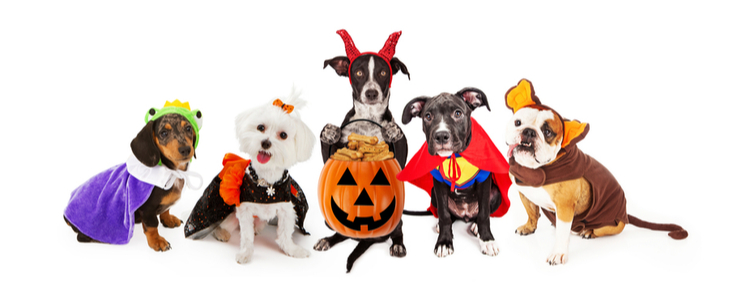
1Accident Only Plans are $9/mo for dogs and $6/mo for cats. In WA state: The Accident Plan is $10/mo for dogs and $7/mo for cats.
25% Group Discount plus 5% Weblink Discount applies to BestBenefit plans; Group Discount not available in AK, HI, or TN; Weblink Discount applies to first policy term only; not available in AK, FL, HI, or TN. Additional 5% discount applied if insuring more than one pet. Maximum allowable discount is 12%.
Pet insurance coverage is offered and administered by Pets Best Insurance Services, LLC and is underwritten by American Pet Insurance Company, a New York insurance company.
It’s Halloween, and there’s no reason that you can’t celebrate "All Hallow’s Eve" with the entire family, including your four-legged friends. Whether you keep your pets indoors to enjoy the visiting trick-or-treaters, or bring them along on your trek for treats, make sure that your celebration is safe and fun for everyone.
How to Help Your Pet Deal with Spring Allergies
Spring is in the air! And so are pesky allergens that can cause allergies in every family member including your four-legged friends. While dogs and cats, like humans, can have allergies any time of year, they can also have seasonal allergies. These arrive with the warm weather as nature comes out of hibernation and pollen fills the air.
My Dog Has Allergies!
Dogs can have allergic reactions to a variety of common environmental and household substances but are prone to spring allergies. This is due to the extra pollen in the grass and air. Other common causes of pet allergies include dust, dust mites, grass, ragweed, mold, dander, feathers and flea bites.
Allergies are more common in Terriers, Retrievers, Setters, and dogs with short snouts including Pugs, Bulldogs, and Boston Terriers.
Can Cats Have Allergies?
Cats can also develop seasonal allergies, especially those that spend time outdoors. Like dogs, cats can have allergic reactions to pollen and other allergens that are more active in the spring. Reduce the chance of your cat having a spring allergy by keeping them indoors, particularly on dry, windy days. Also, keep kitty inside after mowing the lawn, weed pulling, or gardening. Using the air conditioning instead of fans will also reduce the pollen in the air indoors, as well as dusting and vacuuming frequently.
Keep an eye out for the following symptoms that may indicate your pet has an allergy: itching (including excessive scratching, hair loss, red skin or skin irritation); red, watery eyes; excessive paw licking; ear infections (watch for excessive head shaking or scratching of ears), or sneezing (and “reverse sneezing” in dogs, and rarely in cats, when air is inhaled rapidly through the nose)
If your pet is showing any of these five common signs of allergies you should consult your veterinarian.
How Can I Relieve My Pet’s Allergies?
Sometimes symptoms for seasonal allergies will overlap with food allergies or other environmental allergies so diagnosis may be difficult and is best managed by a veterinarian who can prescribe medication if necessary. Diet can help treat allergies such as feeding your dog Omega 3 fatty acids, and yucca for cats and dogs. To treat itching or skin conditions due to allergies, make sure to wipe your pet’s paws after walking outside, and use shampoos that contain pet friendly moisturizers or soothing emollients. Antihistamines are effective in only 20% of pets, and you should consult your veterinarian before administering any medication to your dog or cat. Enjoy the spring with healthy pets, not sneezing pets.
How Can Pet Insurance Help with Allergy Care?
Don’t wait until your pet’s allergies have already developed as pet insurance doesn’t cover pre-existing conditions. Protect your wallet by covering your pet before illness or accident happens.
The Union Plus Pet Insurance program is powered by Pets Best and offers plans to fit all budgets and coverage needs.
Visit unionplus.org/pets to learn more about
which plan is best for your pet!


Spring is finally here, which means more pollen in the grass and the air. There are steps you can take to relieve your pet's allergies. Use these tips to enjoy spring with your pets.
Yes — Pets Can Have Allergies, Too!
Learn how you can identify allergies in your pet and help them cope with the symptoms.
Common Causes of Pet Allergies
Pets are just like people in that they can have allergic reactions to a variety of common environmental and household substances. Common allergens include:
- Pollen
- Dust
- Dust mites
- Grass
- Ragweed
- Mold
- Dander
- Feathers
- Flea bites
Look out for these common symptoms that may mean your pet has an allergy:
- Itching (including excessive scratching, hair loss, red skin or skin irritation)
- Red, watery eyes
- Excessive paw licking
- Ear infections (watch for excessive head shaking or scratching of ears)
- Sneezing (and “reverse sneezing” in dogs, and rarely in cats, when air is inhaled rapidly through the nose)
How Can I Reduce My Pet's Allergies?
Reduce the chance of your pet having a spring allergy by keeping them indoors, particularly on dry, windy days. It's also important to keep pets inside after mowing the lawn, weed pulling, or gardening.
Use air conditioning instead of fans to reduce the amount and movement of pollen indoors, as well as dusting and vacuuming frequently.
Ways to Help Treat Your Pet's Allergies
Sometimes symptoms for seasonal allergies will overlap with food allergies or other environmental allergies, so diagnosis may be difficult and is best managed by a veterinarian who can prescribe medication if necessary. Diet can help treat allergies such as feeding your dog Omega 3 fatty acids, and yucca for cats and dogs.
To treat itching or skin conditions due to allergies, make sure to wipe your pet’s paws after walking outside, and use shampoos that contain pet friendly moisturizers or soothing emollients. Antihistamines are effective in only 20% of pets, and you should consult your veterinarian before administering any medication to your dog or cat.
If your pet is showing any signs of allergy symptoms, consult your veterinarian.
Enjoy the spring with healthy pets, not sneezing pets.
With Union Plus Pet Health Insurance, you can consult a veterinary expert about your pet's allergies with the Pets Best 24/7 Pet Helpline! Accident Only1 plans are only $6/month for cats and $9/month for dogs. If you'd like to include illness coverage, there are comprehensive BestBenefit Accident and Illness plans2 available.

This adaptation of the original article was published by Pets Best Insurance Services, LLC.
1Accident Only Plans are $9/mo for dogs and $6/mo for cats. In WA state: the Accident Plan is $10/mo for dogs and $7/mo for cats.
25% Group Discount plus 5% Weblink Discount applies to BestBenefit plans; Group Discount not available in AK, HI, or TN; Weblink Discount applies to first policy term only; not available in AK, FL, HI, or TN. Additional 5% discount applied if insuring more than one pet. Maximum allowable discount is 12%.
Pet insurance coverage is offered and administered by Pets Best Insurance Services, LLC and is underwritten by American Pet Insurance Company, a New York insurance company.
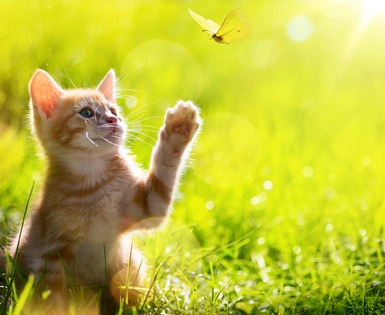
Did you know that pets can have allergies? As we enter springtime, the same seasonal allergies that affect you may also be affecting your four-legged family members as well!
Seven Thanksgiving Foods That are Bad for Cats and Dogs
Thanksgiving is around the corner and that means it's time to feast. However, many popular dishes aren’t safe for pets to consume. It’s important to know which foods are bad for dogs and cats.
Here are seven Thanksgiving food items to keep away from our four-legged friends:
- Stuffing
Thanksgiving dressing is often made with onions, scallions or garlic. These ingredients, however, are extremely toxic to dogs and cats and can cause a life-threatening anemia (destruction of the red blood cells). It’s best to avoid feeding any amount of stuffing to pets.
- Ham
Ham and other pork products can cause pancreatitis, upset stomach, vomiting and diarrhea. Pork is also high in fat, which can lead to obesity in pets. Even a small amount of ham can contribute a very large amount of calories to a small dog or cat's diet.
- Turkey Bones
Bones can cause severe indigestion in dogs and cats, potentially causing vomiting and obstructing the bowel. Bones may also splinter and cause damage to the inside of the stomach and intestines. In some cases, turkey bones may even puncture through the stomach and cause a potentially fatal abdominal infection.
- Dairy Products
Foods that contain butter or milk can cause diarrhea in lactose intolerant pets, such as mash potatoes, cheesecake, and buttermilk biscuits.
- Spices
Some recipes that call for onion powder or garlic are very toxic to pets, including green bean casserole and gravy.
- Salads with Grapes/Raisins
There are many salads served at Thanksgiving that include grapes or raisins as an ingredient — from fruit salad, to waldorf salad, to ambrosia. However, grapes and raisins are very virulent and potentially deadly. Grapes can cause severe, irreversible and sometimes fatal kidney failure in dogs. Be sure to keep all dishes that include grapes and raisins away from pets.
- Chocolate Desserts
While pumpkin pie is the most famous Thanksgiving dessert (canned pumpkin also has many pet health benefits), many people offer a variety of chocolate desserts at Thanksgiving. Chocolate is toxic to dogs and cats, yet dogs love the smell and taste of it. The darker the chocolate, the more toxic it is. Keep all chocolate desserts out of the reach of pets to prevent an emergency trip to the veterinarian.
Also, don't forget to inform your dinner guests about these seven food items, so they don’t feed them to your cat or dog. If they do eat any of these foods, be sure to call your veterinarian immediately. The most important part of holiday pet safety is early action, which may prevent more costly and serious complications from developing.
With Union Plus Pet Health Insurance, Accident Only1 plans are only $6/month for cats and $9/month for dogs. If you’d like to include illness coverage, there are comprehensive BestBenefit Accident and Illness plans2 available.
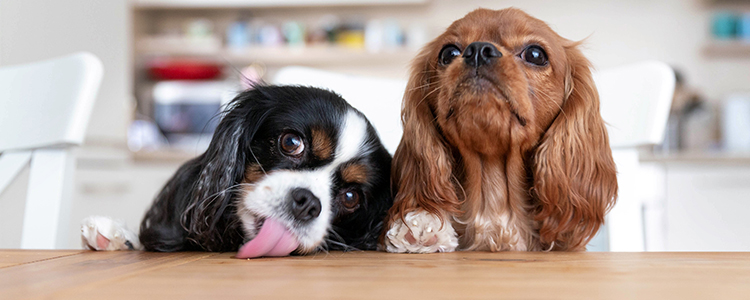
This original article was written by Dr. Eva Evans, a veterinarian and writer for pet health insurance agency, Pets Best. Since 2005, Pets Best has been offering pet health insurance plans to dogs and cats across the U.S.
Based on Pets Best claims data from 2015, 2016, and 2017.
1Accident Only Plans are $9/mo for dogs and $6/mo for cats. In WA state: the Accident Plan is $10/mo for dogs and $7/mo for cats.
25% Group Discount plus 5% Weblink Discount applies to BestBenefit plans; Group Discount not available in AK, HI, or TN; Weblink Discount applies to first policy term only; not available in AK, FL, HI, or TN. Additional 5% discount applied if insuring more than one pet. Maximum allowable discount is 12%.
Pet insurance coverage is offered and administered by Pets Best Insurance Services, LLC and is underwritten by American Pet Insurance Company, a New York insurance company.

It's only natural to want to share our Thanksgiving feast with our four-legged friends, but some foods can be downright dangerous for them. Keep them away from these seven food items so they can have a healthy and safe Thanksgiving!
Life Insurance Planning Calculator
Use this Life Insurance Calculator to help estimate your current expenses and debt and how they could impact end-of-life expenses.
Ready to Get Started?
Using the Life Insurance Planning Calculator is quick and easy. Simply click the yellow button below. The calculator will have places for you to include your current mortgage, education and other expenses and will project your life insurance needs.

Union Plus Life Insurance is underwritten by Hartford Life and Accident Insurance Company, Hartford, CT 06155. All benefits are subject to the terms and conditions of the policy. Policies underwritten by Hartford Life and Accident Insurance Company detail exclusions, limitations, reduction of benefits and terms under which the policies may be continued in force or discontinued. Life Form Series includes GBD-1000, GDB-1100 or state equivalent.

Do you have enough life insurance? Explore whether your life insurance coverage is sufficient to cover your dependents’ expenses in the future.
Pet Insurance 101
What is Pet Insurance?
Pet insurance reimburses you on your veterinary bills when your dog or cat gets sick or injured. Pet insurance helps you afford the best course of treatment, protects against major financial setbacks, and can give you peace of mind as a pet parent. Having a pet insurance plan allows you to focus on getting the best care for your pet without worrying about the financial burden.
When Should I Get Pet Insurance?
It’s important to insure your pet when they’re still healthy, because no pet insurance plan covers pre-existing conditions. Pet insurance coverage does not start immediately, and while Pets Best offers some of the shortest waiting periods in the industry and we don't require an exam to enroll, the earlier you get pet insurance the more likely you'll receive the maximum benefit from it.
Why Do I Need Pet Insurance?
It's a sad fact: dogs and cats get sick and injured just like us humans. We've all heard the horror stories about dogs that had to have their own toys surgically removed after an accidental swallowing. Or the story about the cat that got diabetes or chronic renal failure. Or the pair of Golden Retrievers that developed cancer. The story always ends the same way: the veterinary bills were enormous, making matters worse.
Vet bills will continue to be a challenge for pet parents in the face of rising veterinary costs. The equipment at your vet's office is now human-grade. The same MRI machine used at your doctor's office could be the same one at your veterinarian's clinic. Medical advances and high-end equipment give your pets the best chance at a long, happy, and healthy life, but this advancement often comes with a high price tag.
How Pet Insurance Works
You shouldn't have to worry about getting your pets the best veterinary treatment they deserve. Once you have enrolled, using pet insurance is as easy as:
- Get Treatment
When your pet becomes ill or injured, get treatment from any veterinarian of your choice
- File a Claim
We make it easy with online claim filing, and there is no need to send medical records unless we request them
- Get Cash Back, Fast
We process most claims in five days or less and can deposit them directly in your bank account
Learn more about the Union Plus Pet Insurance program, powered by Pets Best, that offers savings of up to 10% off monthly premiums to union members.
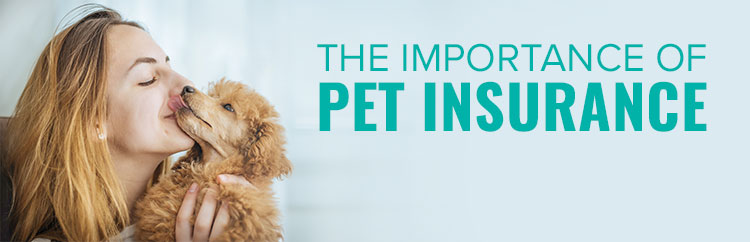
Having pet insurance can help reduce the cost of veterinary bills, but how does it work? Union Plus Pet Health Insurance reimburses cat and dog owners for veterinary expenses when their pets get injured. There are different plans available to help you get the coverage that meets your pet's needs.
How Does Medicare Work with Other Insurance?
Can you have both private insurance and Medicare? With more and more Americans over age 65 still working, coordination of benefits between Medicare and private insurance companies is fairly common. Over 9 million Americans over 65 were working as of January 2017, according to the United States Bureau of Labor Statistics. Some of these people have both private insurance and Medicare.
How Does Coordination of Benefits Work If I Have Both Private Insurance and Medicare?
Sixty-five is the age most people first become eligible for Medicare. Depending on the type of insurance coverage you had when you first became eligible for Medicare, you may be able to choose to have both Original Medicare and private employee (or union) health insurance. Original Medicare generally includes Part A (hospital insurance) and Part B (medical insurance).
Understanding how Medicare works when you have employer-sponsored or retiree health benefits may help you figure out your medical bills. It’s important that you tell Medicare about your other insurance so Medicare and your other insurance can coordinate benefits. You do this when you first sign up for Medicare by completing the Medicare Initial Enrollment Questionnaire.
With Coordination of Benefits, Who Pays First?
When you have Medicare and private insurance, the “coordination of benefits” process helps determine who pays first. You might have multiple “payers.” The insurance that pays first is the primary payer. Your primary payer pays your medical bills up to the amount allowed by your coverage. Your secondary payer may pay for some portion of the services, and there still might be a balance for you to pay.
Sometimes, coordination of benefits may have Medicare as the primary payer, and your private insurance as the secondary payer, as in the following examples:
- You are at least age 65, are still working, and have group health plan coverage through an employer with fewer than 20 employees.
- You are at least 65 and covered by a retiree health plan through your former employer.
Sometimes, coordination of benefits may have Medicare as the secondary payer, and your private employer-sponsored group plan as the primary payer, as in the following examples:
- You are at least age 65, are still working, and have group health plan coverage through an employer with 20 or more employees.
- You’re under 65 with a disability, and you’re covered by group insurance by an employer with at least 100 employers.
What Else Do I Need to Know About Coordination of Benefits Between Medicare and Private Insurance?
Coordination of benefits generally works this way: when Medicare is the primary payer, Medicare generally pays covered benefits once you have met your Medicare deductible before your employer sponsored coverage contributes. Your employer-sponsored group health plan may then pay its portion of the covered services not paid by Medicare as long as those services are covered by the group plan. When Medicare is the secondary payer, the employer-sponsored group health plan may pay any services covered by the plan before Medicare pays its portion of the Medicare-covered services.
Again, even when the primary and secondary payers help pay your bill, you may have an outstanding balance due. How much they might pay depends on what’s covered by your plan and what costs Medicare is responsible for covering. For example, if Medicare is the primary payer and your employer-sponsored group health plan is the secondary payer and you have met your Medicare deductible, Medicare may pay 80% for most Medicare-covered services. If your group health pays 80% for services covered by its plan, it may pay the other 20% of the bill, or it may pay only 80% of the remaining portion, leaving you to pay a small balance. How much the secondary payer pays for covered services depends upon its rules of benefit coordination.
How Might Signing up for Medicare Affect Coordination of Benefits?
What about signing up for Medicare while you still have employer group insurance? One decision you might face is whether to take both Medicare Part A (hospital insurance) and Part B (medical insurance).
Some people sign up for Medicare Part A when they first become eligible, because you typically don’t have to pay a premium for Part A if you’ve worked at least 10 years while paying Medicare taxes. However, if you have a high-deductible plan, like a Health Savings Account (HSA), and you sign up for Part A while still working, you might not be able to make contributions to your HSA plan. So before you decide whether to enroll in Medicare Part A, you probably want to find out how it works with your current plan.
You typically pay a monthly premium for Medicare Part B (medical insurance), so some people who still have employee coverage choose to delay enrolling in Part B until they no longer have employee coverage. However, employers with fewer than 20 employees may require you to take Part B when you turn 65. Talk with your employee health plan representative to find out how your plan works with Medicare.
Please note that many people are automatically enrolled in Part A and Part B, but that typically happens when you’re already receiving retirement benefits from Social Security when you become eligible for Medicare.
If you sign up for Medicare while you’re still covered by private insurance from your employer or union, coordination of benefits usually becomes necessary so that your medical costs may be covered, and aren’t accidentally paid twice for the same service.
Questions About Medicare and Your Private Health Insurance?
It may be a good idea to talk with your employee or retiree plan benefits representative before making your initial Medicare enrollment decisions.
You can call the Medicare Coordination of Benefits Contractor at 1-800-999-1118 (TTY 1-800-318-8782) 8:00 AM – 8:00 PM ET, Monday through Friday to get answers specific to your situation or if your situation changes. You’ll need to provide your Medicare number and one additional piece of information, such as your Social Security number or address, when you call.
If you have questions about coordination of benefits between Medicare and other insurance or your Medicare coverage options, I’d be happy to answer your questions. You can request a phone call or an email with information by clicking the appropriate link below. You can receive immediate, personal help by calling me or another Medicare.com licensed insurance agent at 1-844-847-2660 (TTY users 711) Monday through Friday, 8:00 AM – 8:00 PM ET. To see a list of plans in your area, click the Compare Plans button below.

Original article published on Medicare.com website: https://medicare.com/about-medicare/how-does-medicare-work-with-other-insurance

Understanding how private insurance and Medicare work together is an important part of your healthcare. Many Americans over age 65 are using private insurance in addition to Medicare. For help in finding the best plan for you or your Medicare eligible family members, use the Union Plus Retiree Health Insurance Program. Call 888-719-0689 or go to unionplus.org/medicare.
5 Reasons to Consider Adding a Wellness Plan to Your Pet Insurance Policy
Pet wellness and routine care plans are an optional add on to pet insurance plans offered by Pets Best, and an easy way to keep your pet as healthy as possible. Annual checkups with your veterinarian allow health changes to be addressed and underlying diseases to be caught early. Here are five aspects of routine veterinary care that are crucial for the overall well-being of your pet.
1. Vaccines
Everyone is familiar with vaccines and why our pets need them. Deadly contagious diseases such as Parvo and Distemper are fully preventable in puppies with a simple vaccine. The same is true of the deadly Feline Leukemia Virus and Panleukopenia virus in cats. All puppies and kittens need to have their full series of vaccines and appropriate boosters as they age. Even older pets need to have their boosters updated to prevent deadly infections.
2. Dental Care
Just like humans, pets need their teeth cleaned too! Dogs and cats have plaque and tartar buildup that leads to dental calculus, gingivitis and painful tooth decay. Severe gum disease is a source of chronic infection which can allow bacteria into the bloodstream. These bacteria can latch onto heart valves causing dangerous heart murmurs; bacteria in the blood can also cause abscesses in the liver and elsewhere in the body. It is important to start routine dental cleanings early in life to prevent the teeth from ever decaying and becoming damaged in the first place.
3. Flea and Tick Prevention
Besides being just plain gross, fleas and ticks can really harm your pet. These tiny parasites harbor diseases that can wreak havoc on your pet’s health. Fleas can carry tapeworms which can be transmitted to your pets, and can also cause severe health issues.. It is important that all pets be on appropriate flea and tick control for their geographical area. Many parts of the United States require year round flea and tick control, even in indoor pets.
4. Heartworm Prevention
The number one most common preventable disease in dogs is Heartworms, but did you know that cats can get heartworms too? This deadly worm infection is transmitted from infected animals to your pet by mosquitos, which means that even indoor pets are at risk. Areas with warm, wet weather such as the southeastern United States, the Gulf of Mexico and the Mississippi Delta region have particularly high levels of infected dogs and wildlife. However, heartworms have been reported and diagnosed in all 50 states, so prevention is important no matter where you live.
5. Spay/Neuter
Did you know that spaying or neutering your pet is considered preventative care? Neutering male dogs and cats has several health benefits and can also help decrease aggressive behavior. Female dogs and cats who are not spayed before their first heat cycle have a much higher chance of developing mammary cancer (breast cancer) as they age. Pets who are spayed or neutered, on average, live longer than those pets who are not. These procedures carry very little risk, especially when patients are young and healthy.
Pets Best offers Routine Care Wellness Plans, as an optional add on to all their pet insurance plans.
Dr. Eva Evans is a veterinarian and writer for Pets Best, a U.S. dog and cat insurance agency founded in 2005.
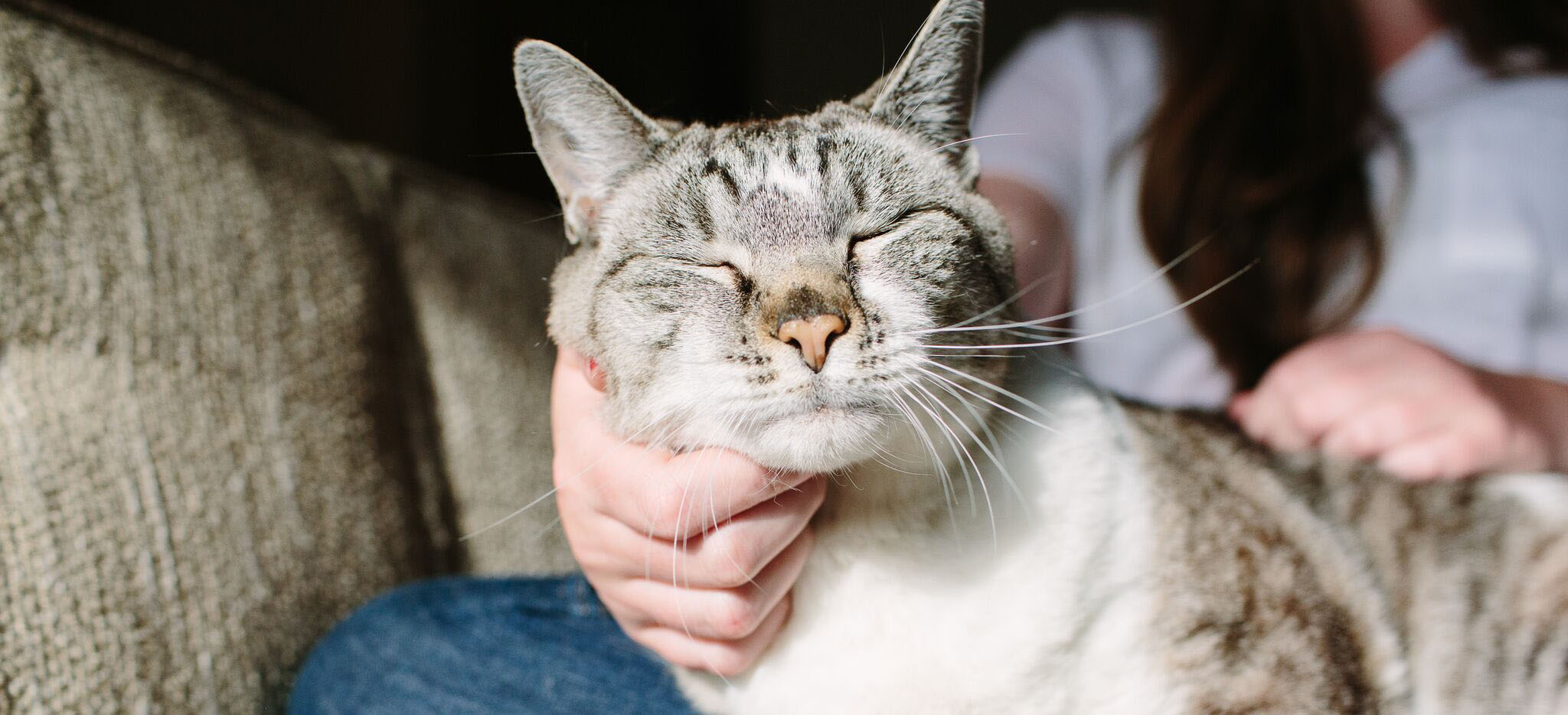
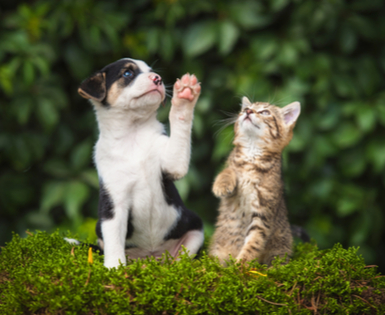
Your pet insurance policy already helps you to keep your cat or dog happy and healthy, but have you considered adding a wellness plan to your pet insurance policy? A wellness plan helps to keep costs down on routine care such as vaccines, boosters, cleanings, and more.
Do I Need Pet Insurance for My Dog or Cat?
How Does Pet Insurance Work?
In many ways, pet insurance is similar to other types of insurance. Different levels of coverage will be available, and premiums will vary based on the plan selected. Some plans cover only accidents and injuries, while more expensive plans will provide more coverage. Most plans have a deductible, which means you will have to pay a certain amount of the medical expenses. Like any insurance policy, the best scenario is never actually having to use it.
How Much Does Pet Insurance Cost?
The cost of pet insurance will depend on a variety of factors such as the age of your pet. Older pets may also have a pre-existing condition that may not be covered. In general, older pets have higher premiums simply because, like older people, older pets usually require more medical attention. If a pre-existing condition is excluded, however, pet insurance can still help pay for future medical expenses.
Your pet’s breed will also affect the cost of premiums. This is because some breeds are more prone to certain health issues requiring medical attention. Even though premiums may reflect this likelihood, insurance may be even more necessary since your pet is more likely to need medical care.
So Should I Get Pet Insurance?
Just because your pet might not be a “new” member of the family or catches every bug at puppy day care, you can tailor your plan to fit your needs. Pets Best allows you to find the right plan for your pet. By fine tuning your coverage, reimbursement, and deductible levels you can get the best match. There are also flat rate Accident Only plans, because even small levels of protection offered by pet insurance can be invaluable in an emergency.
Consider all of these factors when deciding which pet insurance plan is best for you, your pet and your budget. Investing in pet insurance is investing in your pet’s future health, and provides invaluable peace of mind.
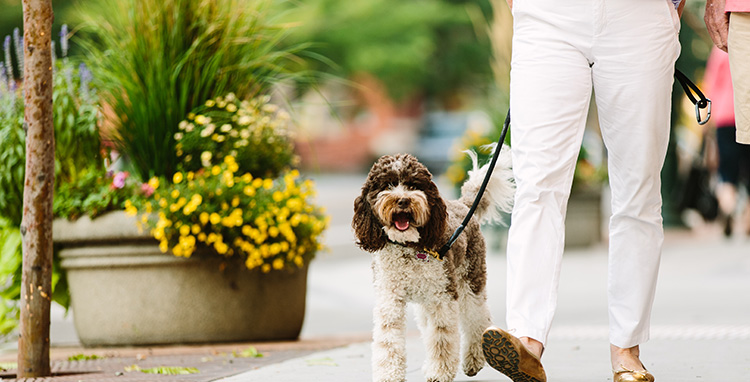
No pet owner likes to think about their pet getting sick or needing surgery. But accidents do happen and pets do get sick. Pet insurance provides you with the comfort of knowing your pet’s medical needs will be met in the event of illness or injury. Union Plus Pet Health Insurance reimburses cat and dog owners for veterinary expenses when their pets get injured.
Signalman Tracks Down Big Savings for His Mom
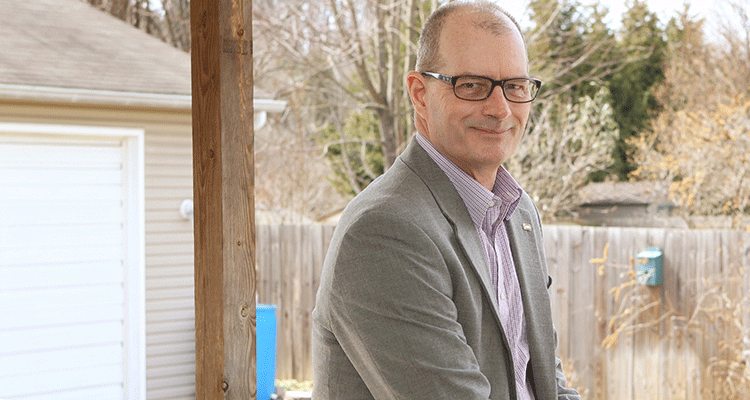
While Haley loves working for the union, it’s taken him far from home in Texas, where his mother still lives. Haley’s mom is well, but she’s a widow and has to make ends meet on a fixed income. Recently, she learned her Medicare prescription drug costs were going to balloon to $900 a year — that’s $75 every month. “For her, that’s two weeks of groceries,” says Haley. “We knew we had to do something.”
Fortunately, Haley knew about Union Plus retiree health benefits available to union members and their family members who are Medicare eligible. “I’m the Signalmen’s liaison to Union Plus and I had just attended a meeting about the eHealth service for retirees,” Haley says.
The Union Plus Retiree Health Insurance Program lets union members, retirees — and even Medicare eligible family members who aren’t in a union like Haley’s mom — navigate Medicare plan options and choose the plan that’s right for them. While Haley was visiting his mom, they went to the Union Plus website and accessed information about retiree health insurance.
“In just 20 minutes, we saw all her options online and realized just how much she could save,” says Haley. Using Union Plus, they found a Medicare prescription drug plan that cut her costs from $75 a month to $16.70 a month — a $700 annual savings.
“When you’re living on a fixed-income, that’s huge,” says Haley. “I’d strongly recommend the Union Plus Retiree Health Insurance Program to any union member who’s nearing Medicare age or with family members nearing or in retirement. I was really impressed at how easy it was to get the answers, and the savings, my mother needed.”
Here’s how the Union Plus Retiree Health Insurance Program works: You enter information about your budget and health needs into the online recommendation tool. Then it compares plans in your area based on monthly premiums, annual deductibles, as well as copayments and coinsurance for various services. There’s no obligation to enroll in a plan and no additional cost for using the Union Plus service if you do.
For members who prefer a live person to a computer, the Union Plus Retiree Health Insurance Program also has licensed insurance advisors you can call to get the information you need over the phone.
“Taking those 20 minutes to check out the Union Plus retiree health care program has made a big difference for my mom,” says Haley. “She’s getting the same medicines she was before, but at a price she can afford.”
“This is just one of the great Union Plus benefits available to our members,” says Haley. “Even though I’m the liaison for the Union Plus program, I’m still learning about some of them.” Altogether, Union Plus offers more than 25 benefit and discount programs to union members and their families.
To learn more about the Union Plus Retiree Health Insurance Program, visit unionplus.org/medicare.
Union Plus Retiree Health Insurance is a program of Union Plus. Medicare has neither reviewed nor endorsed this information.
©2018 Union Privilege. All rights reserved. Union Plus benefits are for participating union members, retirees and their families. Union Privilege, 1100 1st ST NE, Suite 850, Washington, D.C. 20002.
Kelly Haley has worked far and wide during his 40 years as a member of the Brotherhood of Railroad Signalmen (BRS). In 1977, he started out on a railroad signal gang that worked across Texas, Oklahoma, New Mexico and Kansas. In 2001, Haley went to work for the union outside Chicago, and today he works as the Vice President Headquarters at the BRS’s grand lodge in Front Royal, Va.