What to Keep in the Trunk This Winter
For small vehicle repairs:
- Canned, compressed air with tire sealant
- Spare tire, vehicle jack and lug wrench
- Tarp to kneel on
- Portable battery charger and booster cables
- Basic tools: a set of socket and open-end wrenches, a multi-tip screwdriver, and pliers
- Empty gas can
- Shovel
- Chains, rope or tow strap
- Road salt, sand or cat litter to help with wheel traction
For signaling help:
- Cell phone and charger
- Emergency flares
- Brightly colored flag or help signs
- Reflective hazard triangles
- Whistle
For staying warm:
- Extra winter clothing: boots, hats, coats and mittens
- Blankets: wool or fleece maintain insulation even when wet
- Sleeping bags
- Chemical heat packs
- Waterproof matches and candles
- Fire extinguisher
For your health and safety:
- Small water bottles
- Nonperishable, high-energy foods: protein bars, raisins, nuts, etc.
- Flashlights with extra batteries
- Basic sanitation supplies: toilet paper, baby wipes, plastic bags, etc.
- Multi-tool pocket knife
- First-aid kit
- Extra prescription medications for serious conditions such as heart disease, diabetes, asthma and allergies
As you stock up, familiarize yourself with each item so you know how to use it. Also keep your safety kit up to date in your car throughout the season — especially before long trips. Make sure everything works, and replace broken or expired items.
These tips were brought to you by the Union Plus Auto and Home Insurance program. Drivers saved an average of $536 a year on their auto insurance when switching to MetLife Auto & Home® .
Take advantage of the Union Plus Auto and Home Insurance Program by calling 855-666-5797 today! REMEMBER to mention your discount code: DJ7.

L1016481659[exp0919][All States][DC]

Be prepared for any road emergency with these supplies.
Low temperatures and winter weather can create hazardous road conditions. Stay ready for whatever comes with this emergency kit:
How to Protect Yourself When Buying a Used Car in Seven Easy Steps
Perhaps even worse is buying a used car with hidden damage from an accident, flood, or other incident that might affect safety and performance. Shoppers don't want to pay thousands of dollars for someone else’s problems.
Consumer Reports' Auto and Finance experts have come up with these savvy tips to ensure that you're getting a good used car. Remember that when buying a new or used car from a dealership, you should carefully double-check the agreement and all the numbers.
-
Don't Skip the Test-Drive
Why you shouldn’t: This is where you first determine if the vehicle is worth your consideration.
What you should do: Note unusual squeaks and rattles, or any items that need to be repaired. A car that pulls to one side might be showing signs of previous damage. Paint overspray on the backs of body panels and doorjambs can signal body work from an accident. The smell of mildew or mold could indicate water damage, which you definitely want to avoid. CR chief mechanic John Ibbotson says to avoid vehicles with signs of deep water exposure. “Even if a vehicle looks acceptable, and may be working when you inspect it,” Ibbotson says, “water damage could lead to many electrical problems down the road.”
-
Check the Car's Title
Why you should: This will help you avoid surprises that could pop up when you go to register the car.
What you should do: First, make sure the seller has the actual title for the vehicle on hand. Examine the title document for signs that the vehicle has been wrecked, repurchased under a state lemon-law program, suffered flood damage, or had another problem. Many state title documents will have that information disclosed on them. Some state titles do not have that information; in those states, you should check the vehicle history report (see below). Verify that the odometer statement on the title agrees with the number in the car and that the vehicle doesn’t have any outstanding liens. If the dealer doesn’t have the title or won’t show it to you, consider a different car or different dealer.
-
Expect to Get a Free Vehicle History Report
Why you should: Savvy dealers and private sellers will pay for these reports—from CarFax or AutoCheck—as a way make their car stand out to shoppers. These reports often detail whether a vehicle has ever been in a crash, its maintenance records, and how many owners the vehicle has had.
What you should do: Even though the seller may give you the report, you should still verify the information with the service. Along with total-loss information, the reports might provide warnings about odometer tampering, non-total-loss collisions, and any outstanding recalls.
If the seller won’t spring for one, you should get your own. Shoppers will pay $35 for a single Carfax reports and $30 for an AutoCheck report. As an extra precaution, you can go to NICB.org to get a free VinCheck report from the National Insurance Crime Bureau, and visit CarsForSale.com to get a free NMVTIS (National Motor Vehicle Title Information System) report.
-
But Don’t Rely Solely on That Report
Why you shouldn’t: While helpful, vehicle history reports aren’t perfect. There are many reasons why they can miss accidents, flood damage, vehicle theft, and other events that can seriously affect a used car's value as well as your decision about whether to buy it.
What you should do: Remain vigilant. Among the reasons these reports might be missing information: The services rely on information from insurance companies and police departments. But the owner might not have reported an accident or other incident to an insurer or police if the vehicle didn't have collision coverage or if the owner decided to pay for repairs himself. In addition, damage to rental cars may never be reported because rental car companies often self-insure. Finally, after an incident occurs, it can take months for the event to show up on a history report. By that time, the vehicle may have been repaired and resold. So make sure you get your own inspection.
-
Get a Mechanic’s Inspection
Why you should: Even if the car looks super-clean and the seller promises it was driven gently, you should get an expert opinion on its roadworthiness.
What you should do: Have the vehicle inspected by a reliable mechanic. “If you can, have a mechanic experienced in auto bodywork and accident repair give the vehicle a detailed inspection,” says Ibbotson. The results of this inspection give you ammunition to negotiate a final price: Either you can get a lower price because you’re going to fix the problems, or you could offer to pay their price if they fix the problems. Of course, you could ask that the problems be fixed and continue to haggle over the price. If the seller won’t let you take the car for an inspection, it’s time to walk away from the deal.
-
Check for Recalls
Why you should: Check whether any safety recalls apply to the vehicle you are considering.
What you should do: First, visit NHTSA.gov/recalls to research any open recalls. You’ll need the vehicle's 17-digit vehicle identification number. Recall-related repairs are made for free, but the work must be done by a new-car dealer that sells that brand of vehicle. If you find any recalls for the VIN, ask the seller to provide receipts showing that the fixes have all been performed. Consumer Reports recommends that shoppers not buy any vehicle with an open recall. With any vehicle you buy, make sure all of the recalls have been completed before you take possession. -
Contact the Previous Owner
Why you should: Because you never know what you might find out.
What you should do: If you’re buying from a dealer, ask if you can get the name and contact information of the previous owner. Unless it’s a former rental or leased vehicle, you often can find the former owner’s name on the title, or you might get lucky and find it on a document in the glove box or somewhere else in car. Don’t believe a dealer that tells you federal law prohibits the dealership from revealing former owner information. In fact, some states—including Kentucky, Maine, and Massachusetts—require dealers to turn over former owner information if it’s reasonably available.
Copyright© 2006-2017 Consumers Union of U.S., Inc. No reproduction, in whole or part, without written permission.


It’s important to thoroughly check out any vehicle you intend to buy: Even a vehicle with a good reliability record can be a problem, if it hasn’t been properly maintained.
Top 10 Union-Made Vehicles Union Members Buy
- Chevy Equinox
The Chevy Equinox is considered a family friendly SUV for its roomy interior. This well-equipped ride is perfect for all your summer, winter, spring and fall road trips.
- Chevy Silverado
Like its competitors, the Chevy Silverado is a master at the haul, tow and carry routine. But this pickup goes miles ahead of most by sporting a ton of configuration options and hi-tech features.
- Ford F-150
If you’re in the market for a pickup, this workhorse won’t disappoint. It also has a reputation for speed and hi-tech functionality. In fact, the Ford F-series pickup trucks have been the bestselling vehicles in America for decades! That’s quite a distinction.
- Jeep Cherokee
They say variety is the spice of life, and with the Jeep Cherokee, there are several different varieties to choose from. So, spice things up from sporty to luxury with this popular SUV.
- Jeep Grand Cherokee
Purpose-built luxury is Jeep’s claim for this modern and elegant SUV. But even with a grand dose of stylish design, the Grand Cherokee still upholds Jeep’s reputation for a sturdy and powerful vehicle that exudes confidence in every way.
- Ford Escape
A compact crossover with great looks inside and out, the Ford Escape is also popular for practical features like generous cargo space and gas mileage.
- Chevy Cruze
This little go getter has something for everyone. It’s sporty and hi-tech for the young-at-heart; compact for the city driver; gets great mileage for the commuter; and low-priced for the multi-car household looking for savings.
- Chevy Traverse
As one of the newest SUVs on the market, the Chevy Traverse makes a name for itself with the features of a full-size (seats 8) and the pricing of a compact.
- Dodge Ram 1500
The Ram 1500 packs a mean punch both visually and with its horsepower and towing capabilities. But with the air suspension to improve handling, this fierce pickup easily offers the most comfortable ride.
- Chevy Malibu
More into the mid-size vehicles? The Chevy Malibu might be your speed. Fun fact: the car was named after the city in California.
See More Union Made Vehicles Search for Union-made vehicles
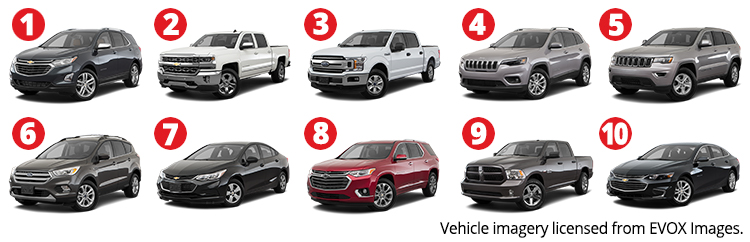
Union members love union-made vehicles because they are affordable, well-made and purchasing union-made supports the domestic auto industry. Here’s a list of the Union Plus Auto Buying program’s top ten bestsellers likely to rev your engines!
Today’s Drivers. Tomorrow’s Features.
Safety is often cited as a top priority among car buyers and rightfully so, considering automotive fatalities have increased in recent years and continue to result in over 30,000 deaths per year. To date, automotive fatalities are the number one cause of accidental deaths in the USA. As grim as those truths are, there is a bright side. Automakers continue to develop technologies that minimize danger to drivers, occupants and pedestrians every year. In fact, the National Highway Transportation & Safety Agency (NHTSA) is exploring changes to the New Car Assessment Program (Star Ratings) to address the rapid developments in vehicle technology, especially in the area of crash avoidance.
As safety technology improves, it means that new vehicles today often have more safety equipment than the most advanced vehicles from 10 years ago.
Overwhelmed or confused about what safety systems are out there and how they work? We’ve put together a list of key safety technologies for you to consider during your next vehicle purchase.
Blind Spot Monitor
We love Blind Spot Monitor systems because the technology is remarkably easy to use, and something we interact with nearly every time we get behind the wheel. When another vehicle is traveling alongside you and is a bit too close for comfort, a notification light will turn on letting you know that it’s unsafe to change lanes. These notifications are often found on the side view mirrors, but we prefer applications where the warning lamps are on the inside of the car within the line of sight of the mirror. This eliminates any obstruction due to moisture, dirt or snow. Some automakers are now including notifications in the Heads Up Display that projects onto your windshield, so a driver doesn’t even need to turn his/her head to know if a vehicle is in the blind spot.
Automatic Emergency Braking (AEB)
AEB combines multiple technologies to minimize or eliminate collisions. While the technology was first used in applications for vehicles traveling forward, the technology has been applied to prevent crashes while traveling backwards. Sensors in the vehicle calculate vehicle speed against required stopping distance and applies the brake when a collision is imminent or likely. The system alerts the driver, pre-charges the brakes and, if necessary, automatically applies the brakes in rapid succession. Often, AEB works with seatbelt pretensioners that retract the seatbelt, holding occupants snugly in place to reduce injuries that may occur from a collision. Many automotive safety experts believe that AEB is the single most valuable technology available today to reduce the traffic accidents on the road.
Surround View Cameras
Starting in 2018, all new vehicles in the US will be mandated to come equipped with a rear-view camera. This is in response to an incident in 2002 where a child was tragically killed when a driver was unable to see them as they backed out of a driveway. While danger of injury to pedestrians located on the side or in front of the car is less likely, surround view monitors provide a 360 degree, overhead view of the area surrounding your vehicle. This helps keep your car safe too, reducing the likelihood of dents and scrapes while negotiating tight parking spots or alleyways.
Lane Keep Assist
While fully self-driving vehicles are still years away, we can already enjoy the benefits of this emerging technology today. Semi-autonomous driving systems use sophisticated sensors to detect traffic lanes and vehicle surroundings. These sensors enable the vehicle to control speed, distance between vehicles and steer within a lane. Some vehicles now offer the ability to change lanes automatically as well. These systems are not designed to completely take over control of the vehicle, and require consistent monitoring from the driver (or the system will shut off). While the systems don’t allow for drivers to be inattentive, they help reduce driver fatigue over long hauls and assist the driver in maintaining awareness of driving conditions.
Lane Departure Warning
A step below Lane Keep Assist systems is Lane Departure Warnings. While these systems don’t actively steer the vehicle, they detect traffic lanes and alert the driver to any drifting outside of those lanes. The alerts vary from audible chimes, to visual cues, to haptic seat feedback, to a slight nudge from the steering wheel to get you back on track.
Cross Traffic Alert
Nearly every driver has experienced pulling out of a driveway or parking spot at the mall and had their heart skip a beat as a car goes whizzing by. Rear Cross Traffic Alert systems act as a spotter to oncoming traffic that can be difficult or impossible to see. The system is often integrated with rear camera monitors and can also indicate which direction the traffic is coming from. The haptic seat feedback systems that give your seat a buzz rather than audible chimes assure only the driver is alerted.
Driver Awareness / Heads Up Display / Voice Recognition
We are bundling a variety of emerging technologies into a category that minimizes driver distractions. Heads up displays project an image onto the windshield, just above the steering wheel, in a driver’s line of sight and provide a snapshot of relevant data like vehicle speed and navigation instructions. Voice recognition allows for common functions like temperature settings and audio playback. And driver awareness monitors driver inputs from the steering wheel and throttle; in some cases, it watches your eyes to detect drowsiness or lack of attention. These features are designed to make sure your eyes stay on the road, your hands stay on the wheel, and your attention stays focused on arriving to your destination safely.
SOS Services
If an accident occurs, many vehicles now offer post-accident emergency services to automatically dial 911 and send help. These telematics systems may require a cell phone to be paired to your vehicle or a subscription to an automaker supplied service, so be sure to talk to your local TrueCar dealer to ensure that you are set up to take advantage of all the safety systems available on your vehicle.
Rear Seat Occupant Warning (GM)
In 2014, over 30 children died from heatstroke after being left in a vehicle. In an effort to prevent further tragedies, General Motors introduced a feature that would alert the driver with an audible alarm, typically using the horn to notify the driver that they may have left an item in the rear seat of the vehicle. The technology uses a simple logic to perform this check. If a driver opens a rear door, enters the driver’s seat, exists the vehicle and doesn’t open the rear door again, the vehicle will trigger an audible alert.


See which car features are most notable for the current market.
Top Ten Summer Road Trip Tips
-
Tend to your tires.
Check your tire pressure - and check it often. Also, make sure that you have season-appropriate tires on your car. Use your union member Union Plus Goodyear Coupon for car tune-ups and new tires, including union-made tires. -
Stay on top of your fluids.
Oil and coolant are the two key fluids during the summer months to keep your car cool and running smoothly. And in the winter, anti-freeze is a key fluid to monitor. -
Give the rest of your car a once-over.
Check the battery, belts, and hoses or have a mechanic do so before you head off on that cross country trip. Also, make sure your wipers are ready and don't forget your windshield wiper fluid. -
Prepare an emergency kit for your car.
Keep the number of Union Plus Motor Club - 24 Hour Emergency Automotive Roadside Assistance Plan handy. -
Pack smart.
Keep snacks, drinks, and sandwiches handy. -
Load smart.
Don't block your view with a backseat piled high and keep the weight even for maximum handling. -
Stay awake.
Switch drivers every few hours even if you don't think you are tired. -
Be careful when you tow.
Check your owner's manual to make sure your vehicle is properly equipped to handle a trailer hitch for towing campers or trailers, and that it can handle the weight. -
Take the scenic route.
Give yourself time to enjoy the ride. -
Be nice.
Use your signals. Let faster drivers pass. Don't tailgate. Share: it's not your road.

Planning a road trip this summer? Before you hit the road, make sure you check out these top 10 tips to ensure your travel is safe, fun and stress-free!


Take Care of Your Baby with Union Plus Auto Insurance
*Savings based on our 2016 countrywide research of new call center customers’ annual average savings in 2015.
**Delay is not automatic. Certain restrictions apply. Policyholder must request delay of payment by calling 1-800-GETMET8. Delayed premium payment is expected when hold is lifted. 1 See policy for restrictions. Not available in all states. 2 Not available in all states. In NY, drivers must pay a state-required minimum deductible before using this benefit. MetLife Auto & Home is a brand of Metropolitan Property and Casualty Insurance Company and its affiliates: Economy Preferred Insurance Company, Metropolitan Casualty Insurance Company, Metropolitan Direct Property and Casualty Insurance Company (CA Certified of Authority: 6730; Warwick, RI) Metropolitan General Insurance Company, Metropolitan Group Property and Casualty Insurance Company (CA COA: 6393; Warwick, RI), and Metropolitan Lloyds Insurance Company of Texas, all with administrative home offices in Warwick, RI. Coverage, rates, discounts, and policy features vary by state and product, and are available in most states to those who qualify. Met P&C®, MetCasSM, and MetGenSM, are licensed in MN.
© 2018 MetLife Auto & Home
L0118501934[exp1220][All States][DC]
When you’re ready to protect your vehicle from fender to bumper, look to Union Plus Auto Insurance provided through MetLife Auto & Home®. Check out this video to see what the program has to offer you.
Find Your Perfect Vehicle Match with Union Plus
* Between 7/1/16 and 9/30/16, the average estimated savings off MSRP presented by TrueCar Certified Dealers to users of TrueCar powered websites, based on users who configured virtual vehicles and who TrueCar identified as purchasing a new vehicle of the same make and model listed on the certificate from a Certified Dealer as of 10/31/2016, was $3,106. Your actual savings may vary based on multiple factors including the vehicle you select, region, dealer, and applicable vehicle specific manufacturer incentives which are subject to change. The Manufacturer's Suggested Retail Price ("MSRP") is determined by the manufacturer, and may not reflect the price at which vehicles are generally sold in the dealer's trade area as not all vehicles are sold at MSRP. Each dealer sets its own pricing. Your actual purchase price is negotiated between you and the dealer. TrueCar does not sell or lease motor vehicles.
**EPA Green Car Make and Models Include:
- Chevrolet — Cruze, Cruze Diesel, Malibu and Sonic
- Chrysler — 200
- Ford — Focus and C-Max
Searching for a new vehicle can be overwhelming! So get some free help finding the right new or used car or truck for you and your family. Check out this video to see what the Union Plus Auto Buying Service, administered by TrueCar™, has to offer you.
The Data Behind the Best Times to Buy a New Car
Car prices change all the time, for all kinds of reasons. Using industry sales data from previous years, the experts at TrueCar identified the best times to buy a new car by month, day and even segment.
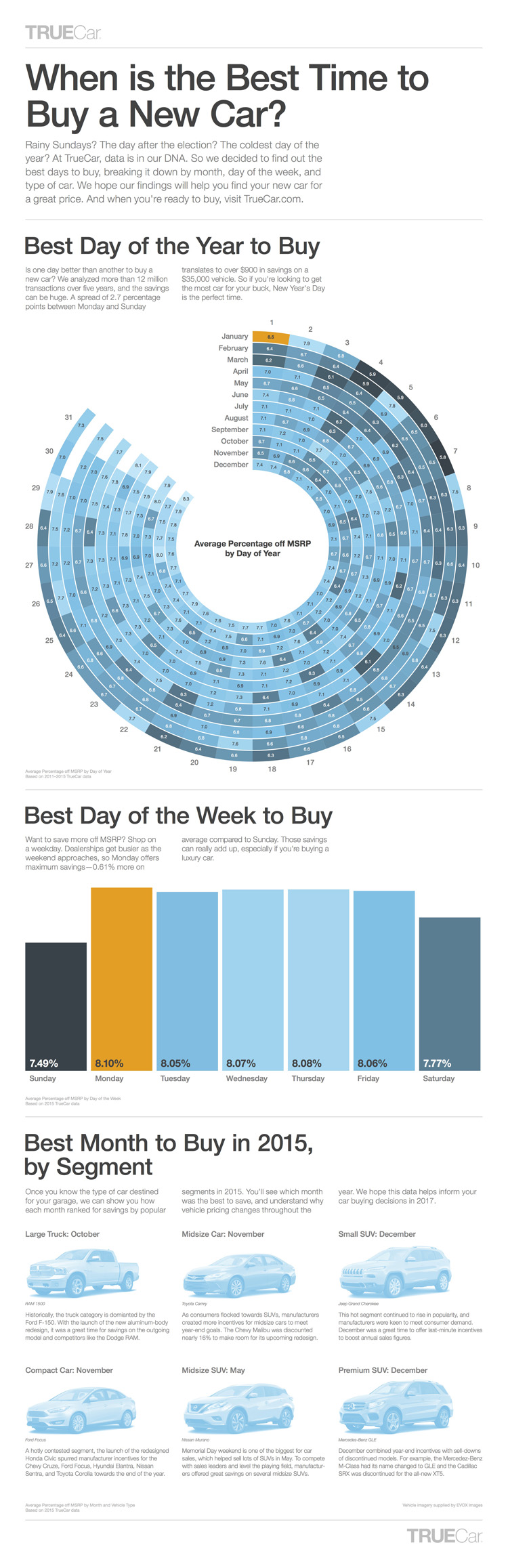


TrueCar, which powers the Union Plus Auto Buying Service, has analyzed more than 12 million transactions over five years to determine which day of the year is the best to buy a vehicle. The savings can be huge!

BMWED Member Gets Great Deal with the Union Plus Auto Buying Service
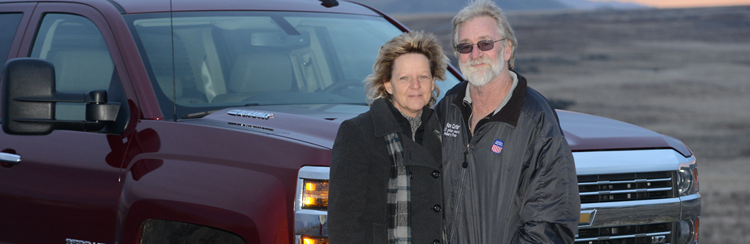
If you’ve traversed a railroad bridge or tunnel in Nevada or Wyoming, Rex Cutler could probably name it. The lifetime Brotherhood of Maintenance of Way Employees (BMWED) Local 1227 member did the heavy lifting on the cornerstones of rail infrastructure in both states. Now in retirement and thanks to Union Plus, he’s fully prepared to hit the open road along with his wife, Dawn.
Rex and Dawn are proud owners of a 40-foot trailer that’s meant to fulfill their wanderlust. However, they felt like there was one hitch in their plan – they needed more horsepower underneath the hood than their previous vehicle could muster.
“With that trailer, we intend to camp a lot more. We made up our minds that to do it right, we needed a more powerful vehicle,” said Dawn Cutler, the family’s chief car buying officer.
Doing it right meant the Ogden, Utah, couple sought a perfect deal on a full-bed diesel truck, hopefully in maroon. Rex and Dawn began the process by visiting the same dealership where they had purchased every car since 1989.
“We went in and tried to negotiate a good price based in our loyalty to the dealership,” said Cutler. “Unfortunately, there just wasn’t a deal there. We walked out. I told Rex that I’d search online and that’s when I remembered the Union Plus Auto Buying Service.”
Dawn confirmed they were eligible for the Union Plus Auto Buying Service, which saves BMWED members an average of more than $3,106 off MSRP on new vehicles. For used vehicle purchases, Union Plus offers up to $1,000 in discounts and often can provide free CarFax reports throughout the buying process. Additionally, the Cutlers were eligible for a $100 rebate since they were purchasing a new, union-made vehicle*.
“Originally, when we signed up for the service, I didn’t even know we were eligible for the rebate,” said Cutler. “It had all gone so smoothly. Suddenly we had a variety of competing prices to choose from. We got a great deal. Then lo and behold, a little while later, a check arrived. We were shocked. It’s such an excellent service.”
The Cutlers put their new ride right to work, pulling their trailer to the Idaho wilderness, and exploring the scenic wonders of southern Utah. They’ve found that having a huskier engine and more capacity enables them to travel with ease.
The Union Plus Auto Buying Service is available in the United States for active and retired union members, and their families. This program connects Union Plus buyers with certified dealers who offer upfront, online pricing, and Guaranteed Savings. It also provides insight into what others paid for the same car so you have the confidence that you’re getting a great deal.
*Between 7/1/16 and 9/30/16, the average estimated savings off MSRP presented by TrueCar Certified Dealers to users of TrueCar powered websites, based on users who configured virtual vehicles and who TrueCar identified as purchasing a new vehicle of the same make and model listed on the certificate from a Certified Dealer as of 10/31/2016, was $3,106. Your actual savings may vary based on multiple factors including the vehicle you select, region, dealer, and applicable vehicle specific manufacturer incentives which are subject to change. The Manufacturer's Suggested Retail Price ("MSRP") is determined by the manufacturer, and may not reflect the price at which vehicles are generally sold in the dealer's trade area as not all vehicles are sold at MSRP. Each dealer sets its own pricing. Your actual purchase price is negotiated between you and the dealer. TrueCar does not sell or lease motor vehicles.
TrueCar operates this information website ("Service") featuring pricing, performance, technical, and safety data available for new and used vehicles. The Service is not available in all locations.
**Guaranteed Savings not available in all states. In these states, a Target Price is shown, which is a market-based example of what you can reasonably expect to pay for your vehicle as configured. Your configured vehicle may not be available or in-stock at the Certified Dealer.
TrueCar does not broker, sell or lease motor vehicles. Each Certified Dealer sets its own pricing, and will confirm actual vehicle availability from in-stock inventory, including options and color choices.
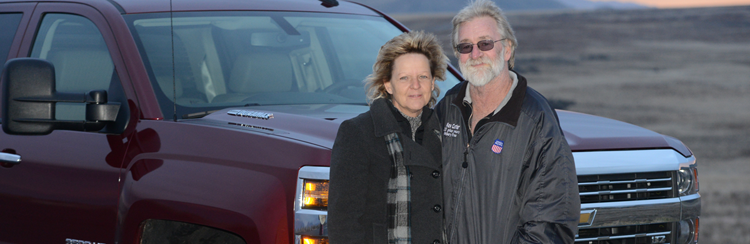

Read how this Brotherhood of Maintenance of Way Employees (BMWED) member shifts from the railroad to the open road through the Union Plus Auto Buying Service.
Why Do Car Prices Change?
The Union Plus Auto Buying Service is committed to a faster, easier buying experience. One part of the process you may be wondering about is the tendency for car prices to change. The simple answer is supply and demand.
The base price or manufacturer suggested retail price (MSRP) of a particular car does not fluctuate much. But to meet or drive changes in demand, manufacturers often offer incentives such as cash back or bonus cash. Dealers have the same opportunities to offer incentives based on their stock, which often happens towards the end of the month.
For example, one dealership might project high sales of a popular model. A smaller dealership in a different city doesn’t, requesting fewer vehicles from the manufacturer. This second dealer might not offer incentives because they believe their smaller inventory will sell, while the first offers them to quickly move more vehicles.
While prices fluctuate, using a platform like the Union Plus Auto Buying Service, you can receive upfront pricing information from participating dealers that includes available dealer and manufacturer incentives. The Union Plus Auto Buying Service uses TrueCar Certified Dealers who will help you find the vehicle you want and locate incentives you may qualify for, including potential extra savings.
We want to empower consumers with the information they need to feel confident throughout the entire car-buying process. Knowing why car prices change will help you get a great deal.