Union Plus Helps USW Employee Get Great Deal on New Union-Made Vehicle
Lisa Nutter started in the purchasing and travel department at the United Steelworkers headquarters (USW) in Pittsburgh, PA six years ago. She made a career move from the corporate world because she wanted to experience the benefits that union membership offers. She loves that the union is always looking out for her and her fellow union members’ best interests. Another value that comes with union membership is the opportunity to take advantage of the Union Plus member benefits.
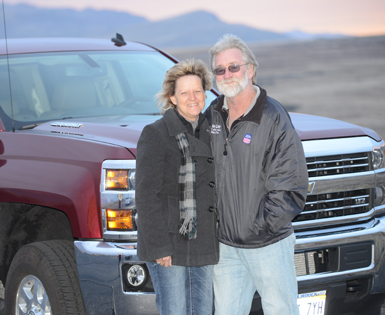
“I was at a local USW meeting and someone mentioned Union Plus to me,” Nutter, a USW Local 3657 member, said. “I started looking through their website. I saw discounts for theme parks and purchased tickets to Universal Studios in Florida. I then saw a page on the Union Plus Auto Buying Service, and the next thing you know I was buying a new union-made car.”
Nutter, who serves as the recording secretary in her local, used the Union Plus Auto Buying Service to purchase her new Ford Focus hatchback. Through the Union Plus website, it is easy to search for a new or used car you want within a radius of your house, and then see the dealer price for that car. Administered by TrueCar, the Union Plus Auto Buying program ensures that union members are getting the best price on the car they want.
“I found the whole program to be a very seamless process,” Nutter said.
“Union Plus gave me two dealerships to look at and one dealership contacted me right away. They had worked with Union Plus before, and I didn’t have to do any negotiating. This is the first brand new car I have ever owned; it only had four miles on it when I purchased it!” Nutter said.
The Union Plus Auto Buying Service helps union members and their families save an average of $3,279 off MSRP. It allows members to see what others paid for the same model car you want and lock in the price. Union members can also get a $100 rebate when you they buy a new union-made car and $200 on a new union-made, EPA Green car1.
“One of the coolest things about my new Focus is that it has a sticker on it saying that it was made in a union plant; that’s very cool to look at,” Nutter added.
“Union Plus is a great thing for union members. I like to know that the benefits of being in my local union extend beyond the local. It’s great being recognized on a grander scale for being a union member," Nutter said.
1Between 7/1/15 and 9/30/15, the average estimated savings off MSRP presented by TrueCar Certified Dealers to users of TrueCar powered websites, based on users who configured virtual vehicles and who TrueCar identified as purchasing a new vehicle of the same make and model listed on the certificate from a Certified Dealer as of 10/31/2015, was $3,279. Your actual savings may vary based on multiple factors including the vehicle you select, region, dealer, and applicable vehicle specific manufacturer incentives which are subject to change. The Manufacturer's Suggested Retail Price ("MSRP") is determined by the manufacturer, and may not reflect the price at which vehicles are generally sold in the dealer's trade area as not all vehicles are sold at MSRP. Each dealer sets its own pricing. Neither TrueCar nor Union Plus brokers,sells or leases motor vehicles.
TrueCar operates this information website ("Service") featuring pricing, performance, technical, and safety data available for new and used vehicles. The Service is not available in all locations.
**Guaranteed Savings not available in all states. In these states, a Target Price is shown, which is a market-based example of what you can reasonably expect to pay for your vehicle as configured. Your configured vehicle may not be available or in-stock at the Certified Dealer.
TrueCar does not broker, sell or lease motor vehicles. Each Certified Dealer sets its own pricing, and will confirm actual vehicle availability from in-stock inventory, including options and color choices.
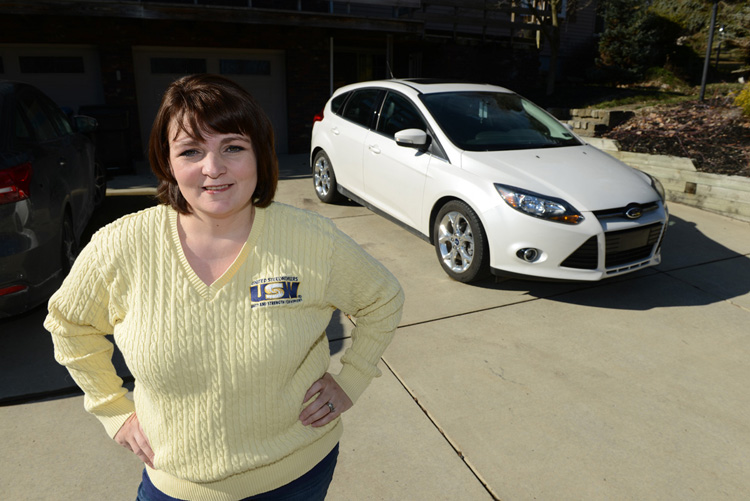
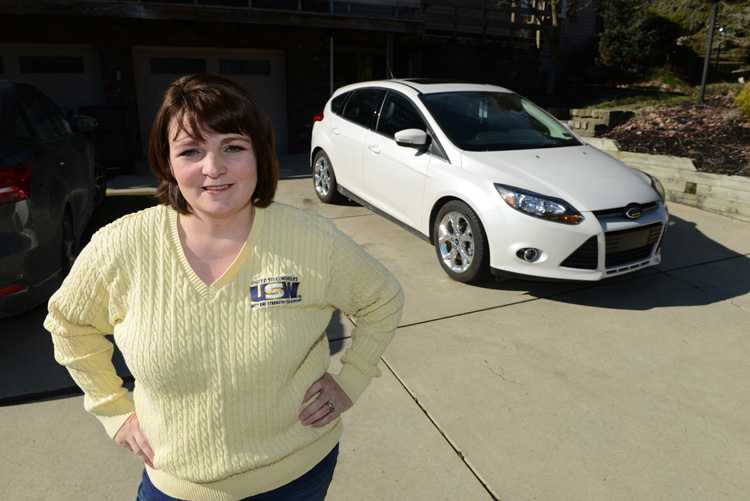
Read how this United Steelworkers (USW) International headquarters employee purchases her first new car thanks to the Union Plus Auto Buying Service.
How to Avoid Buying a Lemon Car
Finding a trouble-free used car has nothing to do with luck and everything to do with applying good research and investigative skills. Knowing how to spot potential problems and determining how reliable a used vehicle is can save you from expensive automotive headaches down the road. The following advice can help you determine whether a used vehicle is a good value or potential trouble.
13 Tricks to Try
- Check the Reliability Record
A good way to reduce the risk of purchasing a trouble-prone vehicle is to select models with a good reliability record before you begin shopping. Consumer Reports' annual subscriber survey provides exclusive real-world reliability information that can help you narrow your selections. See best and worst used cars for a quick-reference list of the best and worst used cars from our most recent survey. Also read the reliability-history charts that accompany most of Consumer Reports' vehicle profiles to get a more detailed view at how specific models have held up in 17 trouble areas as well as overall.
- Read the Window Sticker
The Federal Trade Commission requires dealers to post a Buyer's Guide in every used vehicle offered for sale. Usually attached to a window, it must contain certain information, including whether the vehicle is being sold "as is" or with a warranty, and what percentage of repair costs (if any) the dealer is obligated to pay. The Buyer's Guide information overrides any contrary provisions in your sales contract. In other words, if the Buyer's Guide says that the vehicle is covered by a warranty, the dealer must honor that warranty. If any changes in coverage are negotiated, the Buyer's Guide must be altered to reflect them before the sale.
If a sale is designated "as is," it means that the dealer makes no guarantees as to the condition of the vehicle, so any problems that arise after you have made the purchase will be your responsibility. Many states do not allow as-is sales on vehicles selling for more than a certain price.
- Check the Exterior
Begin by doing a walk around of the car, looking for dents, chipped paint, mismatched body panels or parts, broken lamp housings, and chipped windows. Gaps between body panels should be of a consistent width and line up.
A closer inspection can reveal paint overspray on chrome or rubber trim or in the vehicle's wheel wells. This is a telltale sign of body-panel repair.
Test for the presence of body filler with a small magnet. If the magnet doesn't stick to the panel, the car may have filler under the paint (some vehicles with plastic or fiberglass panels, however, won't attract a magnet at all). A door, hood, or trunk that doesn't close and seal properly is evidence of previous damage and/or sloppy repair work. A CAPA (Certified Automotive Parts Association) sticker on a body panel means the part has been replaced. Inconsistent welds around the hood, doors, or trunk also indicate repair.
- Check the Interior
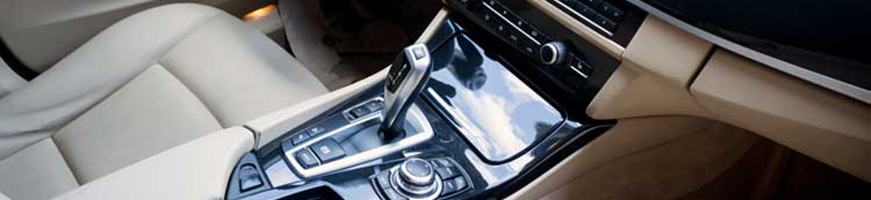
A long look into the cabin can reveal many obvious problems, such as a sagging headliner, cracked dashboard, and missing knobs, handles, and buttons. Frayed seat belts or ones with melted fibers (because of friction) may be evidence of a previous frontal impact above 15 mph--damaged safety belts should always be replaced.
Prematurely worn pedals or a sagging driver's seat are signs that the vehicle has very high mileage. An air bag warning light that stays lit may indicate that a bag has deployed and been improperly replaced--or not replaced at all. A mildew smell, caused by a water leak, can be very hard to get rid of. Discolored carpeting, silt in the trunk, or intermittent electrical problems may be signs of flood damage.
- Check Under the Hood
At first glance, the engine, radiator, and battery should be relatively grease-free and have very little or no corrosion. Belts and hoses should be pliable and unworn. Look for wet spots, which can indicate leaking oil or fluids. Melted wires, tubes, or lines, or a blackened firewall may be signs of overheating or even an engine fire.
With the engine cool, insure that all fluids are clean, filled to the proper level, and do not have leaks. Check the engine oil while the engine is cool. Remove the dipstick from its tube and clean it with a dry rag, reinsert it and remove it again. The oil level should be between the "full" and "add" marks. Normal engine oil is brown or black, depending on when it was last changed. Gritty or gelatinous oil may indicate long stretches between oil changes. Thin, frothy oil that's the color of chocolate milk may point to a blown head gasket or to a severely damaged block or cylinder head. Fine metal particles in the oil indicate internal damage or heavy wear.
The transmission fluid dipstick is usually located in the rear of the engine compartment. Check it right after the car has been driven for more than 10 minutes. With the engine at idle and both the brake and parking brake applied, shift through all the gears. Leave the engine running and put it in neutral or park (according to the owner's manual) and check the level in relation to the dipstick marks. Also inspect the fluid's condition. The transmission fluid should be bright red to light reddish brown, not dark brown, black, or mustard colored; those colors can indicate serious problems. If it has a strong burned smell, that can indicate severe wear.
- Check the Tires
Wear should be even across the width of the tread and the same on the left and right sides of the car. Tires that are frequently used while over-inflated tend to have more wear in the middle; tires driven while under-inflated tend to wear more on the sides. Heavy wear on the outside shoulder near the sidewall of the tire indicates a car that has been driven hard. This can be a sign that other parts of the car may suffer from excessive wear due to aggressive driving. Cupped tires, those that have worn unevenly along the tread's circumference, can indicate various problems with the steering, suspension, or brakes.
- Check the Steering
With the car idling, turn the steering wheel right and left. Check that there isn't any slack or "play," or clunking noise in the steering. Excess play may indicate a worn steering gear or damaged linkage.
While driving at normal speeds on smooth, flat pavement, the car shouldn't wander or need constant steering corrections. A shaking steering wheel often indicates a need for a wheel balancing or front-end alignment, which are easily remedied. However, this may also be a clue that there's a problem with the driveline, suspension, or frame, which could mean expensive repairs are in order.
- Check the Suspension
Check the suspension by pushing down hard on each fender and letting go. The car should rebound softly, once or twice. More than two severe rebounds indicate worn shock absorbers or struts. Also, drive the car over a bumpy road at about 30 mph. A car that bounces and slams at moderate speeds over common pavement may have a worn or damaged suspension.
- Check the Tailpipe
A puff of white smoke upon start-up is probably the result of condensation and not a cause for alarm. Black smoke after the car has warmed up indicates an overly rich air-fuel mixture--usually due to a dirty air filter, a faulty oxygen sensor, or mass-air meter (which measures the amount of intake air). Blue smoke indicates oil burning—a bad sign, requiring expensive repairs. Billowing white smoke indicates water in the combustion chamber, usually because of a blown head gasket, damaged cylinder head, or even a cracked block--all expensive repairs.
- Step on the Gas
While driving, does the engine rev excessively before the car accelerates? This is a common sign of a misadjusted or worn-out clutch, or a damaged automatic transmission. A clutch adjustment is a relatively inexpensive service, but a damaged clutch or automatic-transmission repair can be extremely expensive.
Listen for knocks and pings while accelerating. These indicate bad ignition timing or an engine beginning to overheat.
- Check for Recalls and TSBs
Check to see if any recalls were issued and if recall service was performed. The National Highway Traffic Safety Administration (www.nhtsa.dot.gov; 800-424-9393) lists all official recalls. Ask the seller for documentation on recall service. If any recall work has not been performed on a car that you're considering, it should be done as soon as possible. Automakers are required to perform recall service free of charge, regardless of the vehicle's age or how long ago the recall was issued.
Technical Service Bulletins, or "TSBs," are reports a manufacturer sends its dealers about common or recurring problems with a specific model, and how to rectify them. Because TSBs aren't typically safety related, manufacturers are not obligated to notify owners or pay for the repairs, though an automaker may pay for some or all of the work—if an owner asks them to. See NHTSA's lists of TSBs. Check for any TSBs that were issued for the model you're buying and if the seller had any necessary repairs performed.
- Check the Vehicle's History
A vehicle-history report from CarFax or Experian Automotive can alert you to possible odometer fraud; reveal past fire, flood, and accident damage; or tell you if a rebuilt or salvage title has ever been issued for the vehicle. To access this information, provide the vehicle identification number, or "VIN," which is on the top of the dashboard, near the driver's side roof pillar. Reports should cost $15 and the process takes about five minutes.
- Visit a Mechanic
Before you buy a used vehicle, have it inspected by a qualified mechanic that routinely does automotive diagnostic work. A thorough diagnosis should cost around $120. An organization called the Car Care Council certifies diagnostic shops. If you're an AAA member, you could use one of the organization's recommended facilities.
In addition to doing the basic diagnostic, ask the mechanic to put the vehicle on a lift and inspect the undercarriage. Kinked structural components and large dents in the floor pan or fuel tank can indicate a past accident. Welding on the frame suggests a damaged section might have been replaced or cut out during repairs. Have the mechanic look for fresh undercoating, which can be used to hide recent structural repairs.
A dealer should have no problem lending you the car to have it inspected as long as you leave identification. A private seller may be more reluctant, however. You should offer to follow the seller to the shop where the inspection will take place.
Know Your Rights
The law can protect you if your carriage turns into a pumpkin. Part of buying smart is knowing what protection you have before you need it. State laws vary greatly in the degree of consumer protection they afford. New York law, for instance, requires that car dealers offer written warranties on all used vehicles with less than 100,000 miles selling for $1,500 or more.
In California, it's illegal for a dealer to sell a car with unsafe tires, damaged glass, nonfunctioning lights, or ineffective brakes. Other states offer varying amounts of protection. Check with your state attorney general's office or local consumer-protection agency to learn about the laws in your area.
If You've Bought a Lemon . . .
From a dealer. The state attorney general's office can explain how your state laws protect you. If you suspect that you've bought a rebuilt wreck, contact the National Association of Consumer Advocates, which maintains a list of attorneys who specialize in such cases. If you have a problem with a car covered by a warranty or service contract, and the dealership refuses service, you have several options. For service agreements administered by an automaker, contact the company's local representative. These representatives are authorized to adjust and approve repairs independently of the dealership that sold the car. If you bought the vehicle from a franchised dealer, you may be eligible for mediation through the National Automotive Dealers Association's Automotive Consumer Action Program (AUTOCAP). For more information, call NADA at 800-252-6232 or visit www.nada.com. If the dealer is willing, consider using a dispute-resolution organization to mediate your disagreement. Some service agreements require this as a first step before suing the dealer or manufacturer. Pay attention to the wording of the sales contract before buying to determine if you may sue, or if you must submit to arbitration.
From a private seller. Your options are much more limited. If the seller has made any written guarantees about the condition of the vehicle, you can use them as the basis for filing a lawsuit. You can resolve disputes involving smaller amounts of money (usually less than $2,000) without an attorney through small claims court. The clerk of your local small-claims court can tell you what the exact dollar limit is in your state and provide information on how to file suit.
Copyright© 2006-2017 Consumers Union of U.S., Inc. No reproduction, in whole or part, without written permission.


These expert tips from Consumer Reports Digital will help you steer clear of a car with hidden problems.

Three Things to Keep in Your Car for Emergencies
1. Emergency Kit
Safety is your top priority, so we recommend assembling a kit to keep you and your passengers covered. At a minimum, that should include first aid supplies, a flashlight, bottled water, and fridge-free snacks like granola bars.
2. Flat Tire Solution
This can be as simple as a can of Fix-a-Flat, which can seal and inflate a punctured tire. But for a more comprehensive solution, we recommend a system that includes an air compressor and tire pressure gauge.
3. Jumper Cables
It might seem redundant if you have Roadside Assistance with a service like the Union Plus Motor Club, but you’ll be glad you had jumper cables when you’re camping in the woods, cell phone reception is spotty, and your car’s battery is drained.
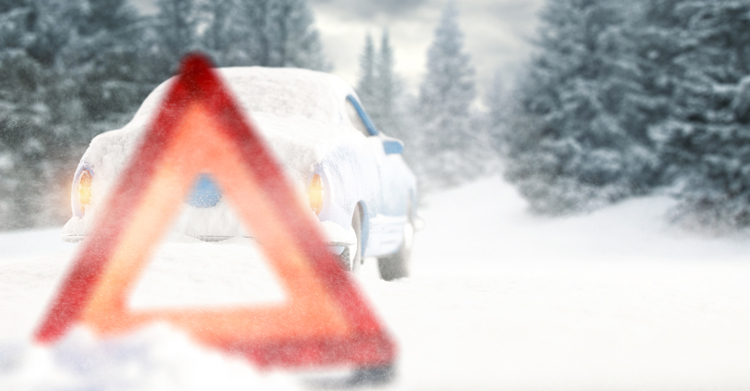
Here are three relatively inexpensive items that will keep you prepared for some of the most common situations you’ll face on the road.
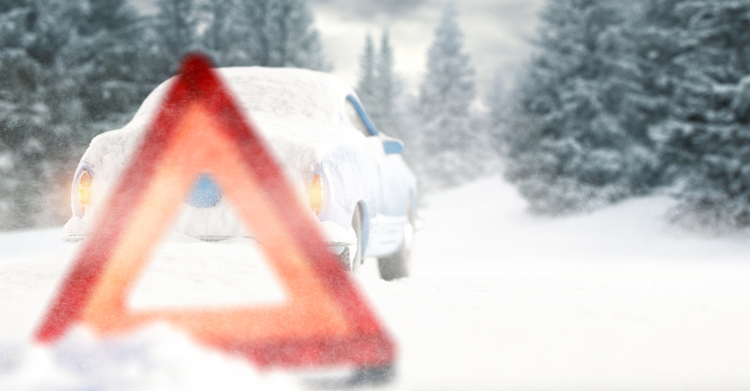
Eight Things You Should Know About Tires
Any reputable tire retailer will have knowledgeable people behind the counter to help you when it’s time to choose new tires. They will look up your car in their database to check the wheel and tire size, then tell you what options they have in stock for your vehicle.
It helps to have some knowledge before you get to that point. You should know the type of tires you need, what you may sacrifice by buying cheaper tires and what you get by going up the price ladder.
- If you’re not sure if your tires need replacing, use a penny. Tires with 2/32″ of tread are legally bald, resulting in severely reduced traction and making the car unsafe to drive. Insert the penny into the tire grooves. If Lincoln’s hair is covered, the amount of tread on the tire is fine. Otherwise, it’s time for new rubber.
- Used tires are a common way to save money, but it’s hard to tell if they were improperly inflated or driven aggressively. These factors can accelerate wear and put you in dangerous situations.
- When choosing a tire, consider the condition of the roads where you drive. If they’re in bad shape, talk to your retailer about tires with taller sidewalls to absorb potholes. Low profile tires look more aggressive, but can make for a harsh ride and be more susceptible to blowouts.
- If you don’t know which tires you need, stick with your car manufacturer’s recommendation. Professional engineers typically choose tires that best match the car’s characteristics, taking into consideration handling, comfort and fuel economy. In most modern cars, this information is located inside the driver’s side doorjamb. Alternatively, you can get it by visiting a tire retailer’s website and entering your car’s year, make and model.
- If you live in an area without snow, a passenger or touring tire should fit your needs. Otherwise, consider a set of winter tires you can use in winter until the snow melts. You may even want a dedicated set of wheels for these tires, so you can easily change them out as the seasons change.
- Getting bigger or wider tires than the manufacturer’s original equipment may have consequences. The increased height may cause the tire to rub against the fender, and changing the shape of the contact patch may cause the car to hydroplane when driving over water.
- How long should tires last? According to Consumer Reports, all-season tires typically last between 40,000 and 100,000 miles. To maximize the life of your tires, keep them properly inflated and rotate them according to the owner’s manual. Doing both will help your tires wear more evenly.
- Low rolling resistance tires are designed to help you save at the pump, requiring less energy to keep them rolling on the road. According to the California Energy Commission, these tires can improve fuel efficiency up to 4.5%.
If you are ready to buy, don't forget your Union Plus savings! Union members can save 10% off Goodyear tires.
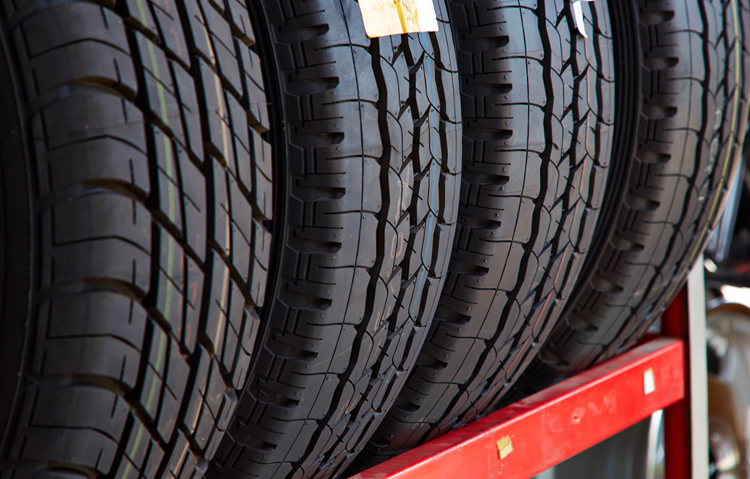
Did you know that union members and their families save an average of $3,279 off MSRP when they buy a car with the Union Plus Auto Buying program?
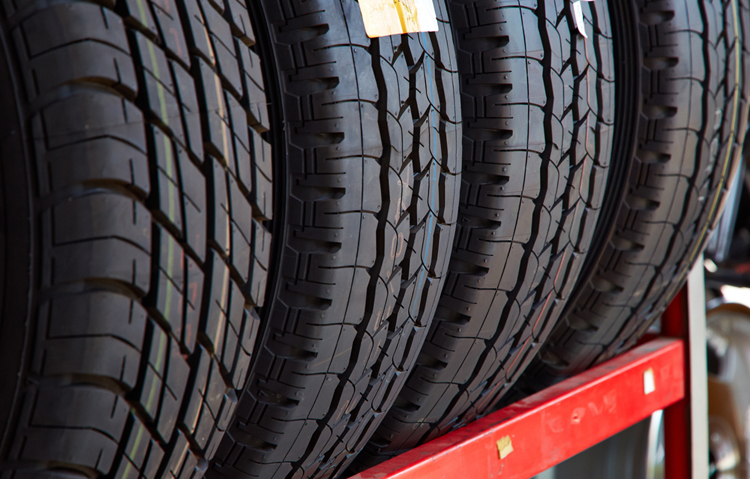
How to Deal with On-The-Road Emergencies
There are plenty of ingredients for a bad summer road trip in addition to rain and cranky kids. You could be driving along when the engine stalls (the reason for GM's recent recall of 1.6 million cars) or the car accelerates suddenly and unintentionally (the reason for Toyota's recalls in 2009 and 2010) or a tire blows out. Here's what to do in those situations:
Stalled Engine
A car can lose power for many reasons, from running out of gas to having a faulty fuel pump or alternator. (In the recalled GM cars, the problem was an ignition switch that was flimsily made and easy to switch off inadvertently.) If you're driving and the ignition key moves to the accessory position accidentally, try shifting into neutral and restarting the engine.
Then shift back into drive and you're good to go. If the engine won't restart or has stalled for another reason, apply the brakes and steer gradually to the side of the road. You'll lose power steering, so steering will feel heavier, but it will still be possible. Expect the power boost for brakes to disappear after one or two applications, so try to stop as soon as you can, using the emergency brake if necessary.
Sudden Acceleration
Our tests have shown that brakes may not be enough to stop a car with a stuck throttle while traveling at highway speeds. Brake firmly, but don't pump the brakes. And don't turn off the engine, because doing so disables the power assist for your steering and brakes. Shift into neutral. Some modern gear selectors are unconventional enough to cause confusion about where neutral is; if yours is one of them, you can practice sliding your gear lever into neutral while driving in an empty parking lot at low speed.
Don't worry if the engine revs up alarmingly-most modern cars have rev-limiters, and that will keep the engine under control. Steer to a safe location and come to a full stop. Shut off the engine with the transmission still in neutral. Lastly, shift the transmission into park or, with a manual transmission, set the emergency brake.
Blown Tire
Don't stop in the travel lane; take a firm grip on the wheel and limp the car to a safe location. A new wheel is less important than your safety. Do what you can to prevent flats from happening in the first place by keeping all tires, even the spare, properly inflated to the automaker's recommended pressure.
Check air pressure at least monthly-many tire problems result from underinflated tires that overheat-and inspect the sidewalls for bulges or cracks.
For any of those emergencies, once you're safe take a deep breath, then turn on the hazard flashers and summon help.
Visit our guides to summer road trips and car maintenance for more information.
Keep These in the Car
In addition to a basic first-aid kit, have the items below on hand. If applicable, check them periodically to ensure that they're in working order-and be familiar with how each works before you need to use it in an emergency.
- Cell phone and car charger
- Fire extinguisher (multipurpose, dry-chemical compact unit labeled 1A:10B:C or 2A:10B:C)
- Warning light, hazard triangles, or flares
- Jack and lug wrench (if your car lacks run-flat tires)
- Nonflammable foam tire sealant (for minor punctures; not a permanent fix)
- Spare fuses (check owner's manual for correct type and replacement instructions)
- Bright, weatherproof flashlight
- Gloves, hand cleaner, clean rags
- Auto-club card or roadside-assistance number
- Jumper cables or a portable battery booster (eliminates the need for a second vehicle)
- Pen and paper (to leave a note on a windshield or jot down accident info)
- Escape device (for example, Resqme, a key chain with a blade to slice seatbelts and a spike to shatter windows)
Editor's Note: This article also appeared in the July 2014 issue of Consumer Reports magazine.
Copyright© 2006-2016 Consumers Union of U.S., Inc. No reproduction, in whole or part, without written permission.
Union members looking for the complete ratings, as well as expert advice on the highest rated consumer products, make sure to sign up for ConsumerReports.org with your Union Plus 27% online subscription discount.
Copyright© 2006-2016 Consumers Union of U.S., Inc. No reproduction, in whole or part, without written permission.
Learn what to do in a number of sticky situations.
Research Tips for Buying Used Cars
Where to Buy Used Cars
You can buy used cars from dealers, rental car companies, leasing companies, used car companies, private individuals and online. To get the best deal, you’re going to need to do some research — try out these tips!
Buying Used Cars From Dealers and Buyers Guide Rule
If you're considering buying from a dealer, you can find out if there are any unresolved complaints about a dealer on record by calling your local consumer protection agency, state Attorney General and the Better Business Bureau (BBB).
The Federal Trade Commission's (FTC) Used Car Rule requires dealers to post a Buyers Guide in every used car a dealer offers for sale (including trucks). The Used Car Buyers Guide must tell you:
- Whether the car is being sold "as is" or with a warranty
- What percentage of the repair costs a dealer will pay under the car warranty
- That spoken promises are difficult to enforce (get everything in writing!)
- To keep the Used Car Buyers Guide for reference after the sale
- A list of the used car's major mechanical and electrical systems, including some major problems you should look out for; and
- To ask you to have the used car inspected by an independent mechanic before you buy.
Be sure to get the original Used Car Buyers Guide, or a copy, from the dealer. And make sure it reflects any changes you may negotiate in warranty coverage. The Used Car Buyers Guide becomes part of your sales contract.
Buying Used Cars From Individuals
Private sellers do not need to offer a Buyer's Guide for used cars. Used cars sold by individuals are normally sold "as is", but you can request that the car be inspected by your mechanic.
Used cars may be covered by a manufacturer's warranty or a separately purchased service contract. But these may not be transferable. Review the warranty or service contract before you buy any used cars.
Evaluating Used Cars
Before You Buy Used Cars:
- Use an inspection checklist to examine the used car (get from magazines, books, the Internet)
- Test drive the car under varied road conditions - hills, highways, stop-and-go traffic.
- Ask for the used car's maintenance record. If the owner doesn't have it, contact the dealer or service shop where work was done for copies.
- Have used cars inspected by a mechanic you hire.
The secret to buying great used cars? Research before you buy. Learn how!
Six Roadside Safety Tips
Union members can join the Union Plus Motor Club for less than AAA. Membership includes battery boost, flat tire change, lockout service, fuel delivery when you run out of gas, and more. Just $69/year covers your entire household. As a bonus, you'll receive $40 in gas rebate vouchers when you sign up for an initial one year of service. At this rate, membership could easily pay for itself.
Here are five more tips for what to do in a roadside emergency from the auto experts at Consumer Reports — including whether you should wait for help inside or outside your vehicle.
For more consumer advice, use your Union Plus discount to subscribe to ConsumerReports.org online. For just $22/year (26% savings) you'll get unbiased ratings on thousands of lab-tested products(including cars) and advice on making smart purchases on everything from prescription drugs to lawn mowers. Your subscription also supports fellow workers. ConsumerReports.org is published by Consumers Union whose testers and writers are represented by the Communications Workers of America (CWA).
This first tip is a money-saver.
Car Repair: Easy Ways to get Good Value for Your Money
When it comes to auto repair many of us are aware of some of the trade-offs between convenience, security and price, but we don't know enough to feel comfortable with our decisions and we realize we're not really in control. There's always some inconvenience and some risk. The trends are favorable, however, and there are easy ways to improve the odds of getting good value for your money.
Reliability at a Price
Reliability is just one factor you consider in buying a car and it's just one factor manufacturers consider in designing one. Cars are getting more reliable even as they get more complex, thanks to technical advances, but they also cost more--more to buy and more to maintain, even though less service is required. Either technicians need more equipment and more training for diagnosis and repair, or expensive modular units must be replaced. If something unexpected needs attention, getting at it can be time-consuming. Styling and performance needs often compromise ease of repair. Replacing a headlight isn't always easy these days. In many ways automobiles are becoming like the small household appliances that say "Attention: Do Not Disassemble. No user-serviceable parts inside."
A Changing Industry
These changes to cars have changed and shrunk the auto repair industry. Gas stations are more likely to sell bread than tune-ups. Dealers are getting more of the business. (Longer warranties have helped them, too.) Independent shops have had to specialize. Hourly labor rates have climbed dramatically. Franchises have acquired new pieces of the market: mufflers, tires, transmissions, tune-ups, oil changes, etc. With more choices, more specialization and less frequent service needs, we are less apt to know a repair facility through long personal experience. Without that experience we must rely on other people's opinions, appearances, ads, guarantees and legal protections.
Trade-Offs
Price, convenience, features, reputation--the same factors are important in choosing a repair facility as any other service or product. No one else will balance these factors quite the same way you do, but other people's opinions are important. Ask around, look around. Here are some general tendencies:
- Dealerships. Highest prices, best facilities. Often located far from employment centers. May offer shuttle services but seldom loaner cars. Best access to parts and latest factory service bulletins. Specialization--service manager, team leader, service technician, cashier--can make it difficult to relay the symptoms of a problem to the person doing the work or to get a complaint resolved, or it can help everyone do more of what he does best. Most people use a dealer while their car is under warranty, but it is not required.
- Franchises. Often emphasize convenience and speed. Always worth checking for price when you need what they specialize in. Beware of being sold unnecessary parts or service. Help tends to be lower paid and trained in much narrower areas than traditional auto mechanics.
- Independent Shops. The best and the worst. Like new restaurants that get "discovered," a small shop started by a master mechanic may have growing pains once the clientele grows and the mechanic must act as mostly a manager. Avoid places that "specialize in all cars foreign and domestic."
- Service Stations. The ones that do a lot of repair work now usually don't sell a lot of gasoline. Often the cheapest and most convenient for routine services: oil change, tire rotation, coolant, belts and hoses. Be sure they can get the right parts on time at a fair price before committing for major work.
Legal Protection
If you shop carefully and match your needs to the repair facility, problems should be rare. The nature of the business makes some disputes inevitable, however, and some places are dishonest. Here are some legal rights you should be aware of:
- Written Estimate. Most states require written estimates and forbid charging much more than the estimate without your further authorization. If diagnosis requires tearing down your car's engine or transmission, be sure you are clear what will happen and what it will cost if you decide not to go ahead with repairs. Never sign a blank work order.
- Replaced Parts. You should look at or take back your replaced parts. Most states require that they be offered to you. Have a mechanic elsewhere check them if you suspect the part's didn't come off your car or didn't need replacing.
- Warranties. Take the car back if the problem isn't fixed. Everybody hates "comebacks," but they're part of the business.
- Mechanic's Lien. With rare exceptions, you'll have to pay what the repair shop says you owe to get your car back. If there's a dispute, it's usually necessary to pay the whole amount and then sue in small claims court for a refund. It may seem unfair but it sure helps mechanics get paid. Call your lawyer for advice.
Source: National Resource Center for Consumers of Legal Services.
There's always some inconvenience and some risk in getting your car repaired — learn how to improve your odds of getting a good value.
Use these Money-Saving Tips Next Time You’re at the Pump
Shifting Gears: Real Money-Saving Steps
There are numerous no- or low-cost steps you can take to combat rising gas prices. The most important place to start is at the gas pump; buy only the octane level gas you need. All gas pumps must post the octane rating of the gas under the FTC's Fuel Rating Rule. Remember, the higher the octane, the higher the price. Check your owner's manual to determine the right octane level for your car.
Consider Buying a Fuel Efficient Vehicle
Deciding which vehicle to buy may be the most important fuel economy decision you make. The difference between a car that gets 20 MPG (miles per gallon) and one that gets 30 MPG amounts to $4,300 over 5 years, assuming gas costs $3.50 per gallon and you drive 15,000 miles a year.
Visit www.fueleconomy.gov for more information. You'll find gas mileage estimates and other important fuel data from the U.S. Department of Energy.
Here are some additional tips from the U.S. Department of Energy to help you get better gas mileage.
Drive More Efficiently
-
Stay within posted speed limits. The faster you drive, the more fuel you use. For example, driving at 65 miles per hour (mph), rather than 55 mph, increases fuel consumption by 20 %. Driving at 75 mph, rather than 65 mph, increases fuel consumption by another 25%.
-
Use overdrive gears. Overdrive gears improve the fuel economy of your car during highway driving. Your car's engine speed decreases when you use overdrive. This reduces both fuel consumption and engine wear.
-
Use cruise control. Using cruise control on highway trips can help you maintain a constant speed and, in most cases, reduce your fuel consumption.
-
Anticipate driving situations. If you anticipate traffic conditions and don't tailgate, you can avoid unnecessary braking and acceleration, and improve your fuel economy by 5 to 10%. In city driving, nearly 50% of the energy needed to power your car goes to acceleration. Go easy on the gas pedal and brakes. "Jack-rabbit" starts and sudden stops are wasteful.
-
Avoid unnecessary idling. Turn off the engine if you anticipate a lengthy wait. No matter how efficient your car is, unnecessary idling wastes fuel, costs you money and pollutes the air.
-
Combine errands. Several short trips taken from a cold start can use twice as much fuel as one trip covering the same distance when the engine is warm.
-
Remove excess weight from the trunk. Avoid carrying unneeded items, especially heavy ones. An extra 100 pounds in the trunk reduces a typical car's fuel economy by one to two percent.
Maintain Your Car
- Keep your engine tuned. Studies have shown that a poorly tuned engine can increase fuel consumption by as much as 10 to 20% depending on a car's condition. Follow the recommended maintenance schedule in your owner's manual; you'll save fuel and your car will run better and last longer.
- Keep your tires properly inflated and aligned. Car manufacturers must place a label in the car stating the correct tire pressure. The label usually is on the edge of the door or door jamb, in the glove box, or on the inside of the gas cap cover. If the label lists a psi (pounds per square inch) range, use the higher number to maximize your fuel efficiency. Underinflated tires cause fuel consumption to increase by six percent.
-
Change your oil. Clean oil reduces wear caused by friction between moving parts and removes harmful substances from the engine. Change your oil as recommended by the vehicle manufacturer.
-
Check and replace air filters regularly. Your car's air filter keeps impurities in the air from damaging internal engine components. Not only will replacing a dirty air filter improve your fuel economy, it also will protect your engine. Clogged filters can cause up to a 10 % increase in fuel consumption.
"Gas-Saving" Advertising Claims
The Federal Trade Commission (FTC) warns you to be wary of any gas-saving claims for automotive devices or oil and gas additives. Even for the few gas-saving products that have been found to work, the savings have been small.
Be skeptical of the following kinds of advertising claims:
-
"This gas-saving product improves fuel economy by 20%.
Claims usually tout savings ranging from 12 to 25%. However, the Environmental Protection Agency (EPA) has evaluated or tested more than 100 alleged gas-saving devices and has not found any product that significantly improves gas mileage. In fact, some "gas-saving" products may damage a car's engine or cause substantial increases in exhaust emissions.
The gas-saving products on the market fall into clearly defined categories. Although the EPA has not tested or evaluated every product, it has tried to examine at least one product in each category. See "Devices Tested by EPA" at the end of this brochure for category descriptions and product names. -
"After installing your product on my car, I got an extra 4 miles [6.4 kilometers] per gallon [3.8 liters]."
Many ads feature glowing testimonials by satisfied customers. Yet, few consumers have the ability or the equipment to test for precise changes in gas mileage after installing a gas-saving product. Many variables affect fuel consumption, including traffic, road and weather conditions, and the car's condition.
For example, one consumer sent a letter to a company praising its "gas-saving" product. At the time the product was installed, however, the consumer also had received a complete engine tune-up - a fact not mentioned in the letter. The entire increase in gas mileage attributed to the "gas-saving" product may well have been the result of the tune-up alone. But from the ad, other consumers could not have known that. -
"This gas-saving device is approved by the federal government."
No government agency endorses gas-saving products for cars. The most that can be claimed in advertising is that the EPA has reached certain conclusions about possible gas savings by testing the product or by evaluating the manufacturer's own test data. If the seller claims that its product has been evaluated by the EPA, ask for a copy of the EPA report, or check www.epa.gov for information. In some instances, false claims of EPA testing or approval have been made.
Product Complaints and Refunds
If you're dissatisfied with a gas-saving product, contact the manufacturer and ask for a refund. Most companies offer money-back guarantees. Contact the company, even if the guarantee period has expired.
If you're not satisfied with the company's response, contact your local or state consumer protection agency or the Better Business Bureau.
EPA Evaluation Efforts
The EPA evaluates or tests products to determine whether their use will result in any significant improvement or detriment to fuel economy. However, the EPA cannot say what effect gas-saving products will have on a vehicle over time because it hasn't conducted any durability tests. It's possible that some products may harm the car or may otherwise adversely affect its performance. In fact, today's vehicles' emission control systems are very sophisticated and complex. They have On Board Diagnostic features that alert the driver to problems associated with the emission control and fuel delivery systems. Retrofit products may have an adverse effect on these systems.
Gas prices are always in flux — try some of these gas-saving tips to save you money at the pump.
Union-Made Tires
Do buy: These union-made tires (United Steelworkers)
DOT requires that each tire sold in the United States carry a code that looks something like this: DOT BE XX XXX XXX. The two letters or numbers that follow the DOT identify a particular factory as listed below:
BE:
B. F. Goodrich - Tuscaloosa, Ala.
BF:
B. F. Goodrich - Woodburn, Ind.
VE, YE, YU, 8B:
Bridgestone/Firestone - Des Moines, Iowa
D2, E3, W1, Y7:
Bridgestone/Firestone - La Vergne, Tenn.
2C, 4D, 5D:
Bridgestone/Firestone - Morrison, Tenn.
UP:
Cooper - Findlay, Ohio
UT:
Cooper - Texarkana, Ark.
JU, PC, UK:
Goodyear - Medicine Hat, Alberta
JJ, MD, PU:
Goodyear - Gadsden, Ala.
DA:
Dunlop - Buffalo, N.Y.
JN, MJ, PY:
Goodyear - Topeka, Kan.
JE, MC, PT:
Goodyear - Danville, Va.
JF, MM, PJ:
Kelly-Springfield - Fayetteville, N.C.
CF:
Titan Tire - Des Moines
JH, MN, PK:
Titan Tire - Freeport, Ill.
B plus serial #:
Titan Tire - Bryan, Ohio
CC:
Yokohama Tire - Salem, Va.
Be sure to take advantage of the 5-10 % union member discount at company-owned Goodyear Auto Service, Just Tires and Allied Tire and Service locations.
Find more union-made products.
This original article was published by the AFL-CIO.
Did you know that Union Plus can help you save when you buy union-made? Click here to learn more!